Reza Pahlavi vs. the Regime: Decoding Iran’s Media Strategy Against the Opposition
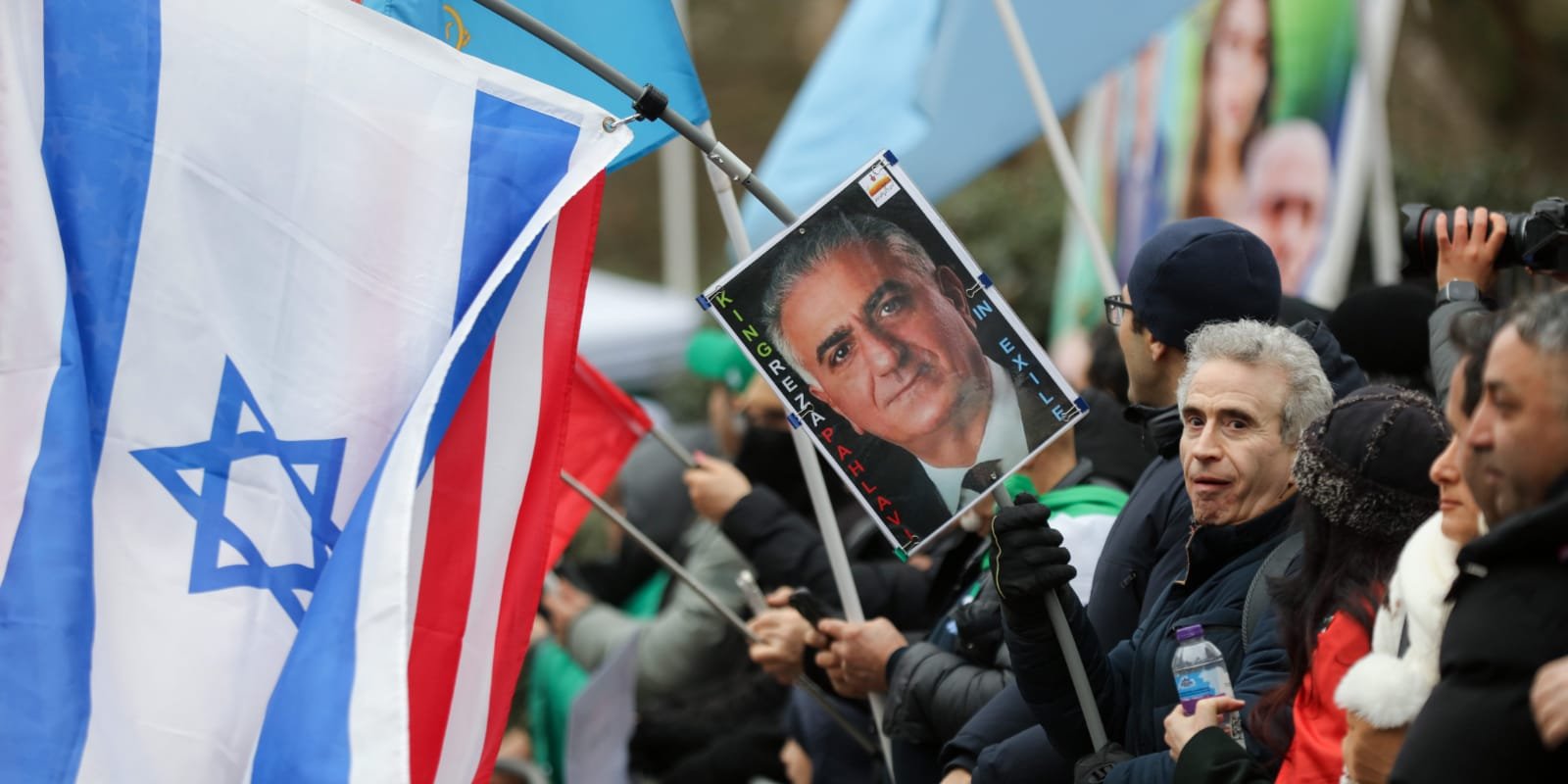
When public anger spilled onto the streets of Iranian cities during the widespread protests in January, the slogans echoing through urban centers carried a striking historical resonance. Amid the economic fury and defiance against the mullahs, chants supporting Crown Prince Reza Pahlavi signaled something genuinely dangerous for leadership in Tehran. For decades, the security apparatus of the Islamic Republic insisted the exiled monarchy was a dead historical relic, thoroughly rejected by the Iranian people and politically irrelevant. Seven months after the January unrest, though, the state’s massive propaganda and judicial machinery tells a radically different story.
If Reza Pahlavi were truly irrelevant, incapable of shaping events inside Iran, the regime would treat him with silent contempt. Instead, the political establishment in Tehran has unleashed a coordinated, multi front media and legal offensive designed specifically to dismantle his credibility. From state security organs to international prosecutors, the government is pouring immense resources into convincing ordinary Iranians that Pahlavi is an illegitimate, divisive figure who poses a threat to national unity.
This media blitz intensified noticeably throughout August. State aligned news outlets linked directly to the IRGC have published a steady stream of hostile long form commentary. Tasnim News Agency launched detailed attacks accusing the exiled prince of trying to rewrite his political record, alleging he seeks to escape responsibility for past bloodshed while portraying himself as a peaceful leader now. Shortly after that, the same outlet amplified statements from former opposition advisers claiming Pahlavi himself is the primary obstacle to uniting anti regime forces, arguing that Sunni minorities and populations in southern provinces reject his family’s legacy outright.
At the same time, when Pahlavi commented publicly on sensitive geopolitical matters, sovereign rights in the Caspian Sea, domestic fuel shortages, outlets like Fars News Agency immediately attacked his statements as opportunism. State broadcasting channels continuously warn viewers against falling for what they call political wave riding. The underlying message across all these platforms stays remarkably consistent. The regime acknowledges public frustration over economic hardship, sure, but insists Pahlavi is simply exploiting legitimate grievances for foreign backed political gain.
This media offensive isn’t happening in a vacuum. It’s backed by the full force of the Iranian judicial system. In July, the Tehran Prosecutor’s Office announced a sweeping indictment against Pahlavi, referring his case to the Revolutionary Court on severe charges including corruption on Earth, directing terrorist networks, cooperation with hostile foreign states, and espionage. Under Iranian law, charges like these carry potential capital punishment.
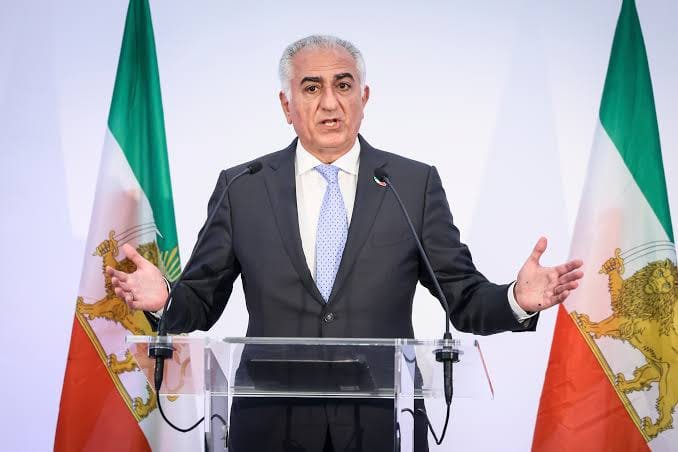
Prosecuting an exiled figure living in the United States is practically symbolic, sure, but the domestic psychological intent behind the indictment is clear enough. By classifying Pahlavi as a high level national security threat alongside external foreign intelligence services, the regime sends a stern warning to citizens inside the country. Any communication with, support for, or distribution of material related to the exiled prince gets treated as high treason.
For security strategists in Jerusalem, understanding Tehran’s obsession with Pahlavi offers real insight into the regime’s structural vulnerabilities. Leadership in the Islamic Republic understands the basic mechanics of authoritarian collapse. Totalitarian systems rarely fall to decentralized public anger alone. They collapse when widespread discontent finds a single, recognizable rallying point capable of uniting diverse social classes, labor movements, and political factions under one banner.
Pahlavi presents a unique operational threat to the mullahs precisely because he occupies a space no other opposition figure currently commands. Secular republicans, left leaning intellectuals, and regional ethnic groups all have valid historical reservations about the pre 1979 monarchy, sure, but Pahlavi has spent years positioning himself not as a monarch demanding a throne, but as a temporary bridge toward democratic transition instead. Independent polling from international research bodies, including the Netherlands based Gamaan Research Institute, indicates favorable views toward Pahlavi hover around 48 percent inside Iran, a genuinely staggering figure given forty seven years of continuous state sponsored vilification aimed squarely at him.
Senior security officials in Tehran, including Supreme National Security Council Secretary Mohsen Rezaei, have framed recent domestic unrest as a foreign led strategy aimed at breaking Iran apart piece by piece. Inside this state narrative, Pahlavi gets cast as the primary tool of Western and Israeli intelligence, designed to fragment national sovereignty from within. By framing him as an agent of foreign intervention, the regime tries tapping into deep seated Iranian nationalist sentiment, forcing citizens to choose between the existing clerical dictatorship or external chaos, a false binary if there ever was one.
But the regime’s aggressive media blitz ultimately reveals its own deep paranoia underneath the bravado. If Pahlavi were truly viewed by the domestic population as worthless, the way state media repeatedly claims, there would be no operational need to publish endless analytical teardowns, broadcast judicial indictments, or order state TV presenters to discredit his speeches one after another. The relentless effort to convince Iranians that Pahlavi is ineffective actually proves his message is landing exactly where it matters most, among an exhausted, angry population searching for an alternative to religious rule.
Israel and its Western partners need to view this dynamic with real strategic clarity. The Islamic Republic isn’t merely engaged in routine state censorship here. It’s fighting a defensive psychological war against a brand it cannot easily eradicate, no matter how many indictments it files. The mullahs understand that if economic collapse deepens and public protests erupt again, an opposition figure combining historical name recognition with a message of democratic transition poses a terminal challenge to their rule.
Tehran’s desperate attempt to destroy Reza Pahlavi’s public image is, in the end, the most convincing proof of his potential power. The mullahs aren’t attacking a ghost of the past. They’re battling a legitimate threat to their future, and they know it.