By Noam Shalev
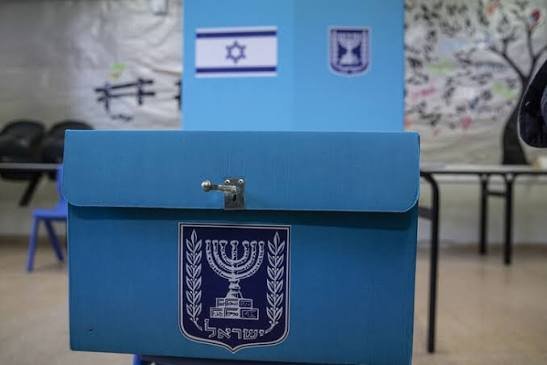
With just days left before Israelis head to the polls on October 27, political strategists all over the country are staring down a strange contradiction. There is this new KAN news poll that shows almost a full third of voters, thirty percent, have not made up their minds at all. But at the same time, nearly forty percent say they are dug in and that nothing, absolutely nothing, will make them change their minds before the polls open. So you have these entrenched partisan diehards on one side, and a huge, undecided middle on the other, all against the backdrop of a country worn out by years of political stalemate, nerves fraying over domestic issues, and everyone just hoping for a government that actually works for a change.
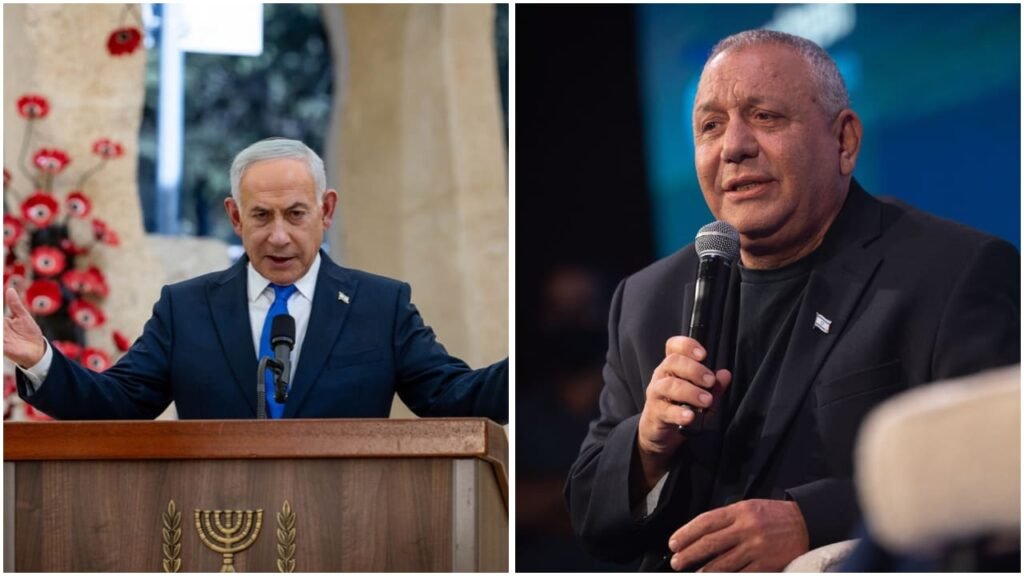
The numbers lay bare just how split different groups of Israelis feel about the country is top concerns. In the overall survey, thirty four percent list the economy and cost of living as their main worry, with another thirty two percent picking national security. But if you dig into the breakdown, it is clear the camps are not seeing the same problems. Coalition voters, those backing the current government, are way more focused on security, with forty five percent saying it is their top issue, while only nineteen percent put the economy first. Opposition voters flip that script: forty one percent care most about the economy, while only twenty eight percent put defense ahead of everything else.This policy gap is shaping a nail biter of a fight for control of the Knesset is 120 seats. According to the KAN poll, the opposition bloc led by Gadi Eisenkot is just nudging ahead, with fifty two seats, while the Prime Minister is coalition trails at fifty one. Eisenkot is Yashar party is out front with twenty three seats. Likud, not so long ago the big powerhouse, comes in at twenty one. Then there is Naftali Bennett is B’Yachad at twelve, the Democrats under Yair Golan with nine, and Avigdor Liberman is Yisrael Beytenu holding eight. On the coalition side, Bezalel Smotrich is Religious Zionists have seven, Itamar Ben Gvir is Otzma Yehudit and Shas both collect eight, while United Torah Judaism grabs seven.
But the biggest story here is what these numbers leave out: neither bloc comes anywhere close to the sixty one seat minimum needed to actually form a government. Both sides are locked in a stalemate, and the power could swing in either direction depending on smaller, unaligned parties. You have got the Arab lists and the Reservists Economic party, led by Yoaz Hendel and Yaron Zelekha, who suddenly have the kind of leverage that can actually decide the whole game. Plus, some parties are not even sure they will make it past the three and a quarter percent threshold, including Benny Gantz is Blue and White, Moti Leitner is Haredi Public, and Ofer Winter is People of Israel. With margins this tight, just a few thousand votes switching sides, literally a hair is breadth, could knock a party out, reshuffle the math, and change who gets a shot at power overnight.With gridlock basically staring everyone in the face, Israeli voters are making it pretty obvious what they want: a little peace and stability. About a third of those asked said that if nobody gets a majority, they would rather see a unity government, where leaders from both sides actually sit down together, than suffer through yet another endless election. Only a quarter said they are willing to be dragged through another round at the polls, and just twenty percent would back a shaky minority government. It is clear, people are fed up with these marathon election cycles that jam up the whole system and keep the country from planning anything beyond the next campaign.
That undecided thirty percent? They are holding the country is future in their hands, but they are not just picking at random. They are skeptical of catchphrases and empty promises. What these voters want are real answers, candidates who can talk about how they will actually rebuild border towns, steady the economy, lower costs for families, and take national security seriously, not just as a campaign punchline. They know that security means systems and planning, not just tough talk, and that real defense relies on solid economic footing. They are looking for action, not just words.The economic stress weighing on this pivotal group is real, there is leftover damage from war, business disruption, and rising prices everywhere you look. For them, economic strength and national security are two sides of the same coin. A healthy economy and strong defense have to reinforce each other, or both will fall flat. So when politicians focus on self preservation or seeking approval from abroad, they miss the mark and lose these crucial swing voters.What has changed this cycle is the rising support for smaller, independent parties that focus more on policy than on personalities or alliances. That says something, people are hungry for leaders who care more about the health of the country is institutions than about sticking it to the other team in some endless feud. The call for a unity government from a full third of voters is more than just a trend, it is a signal that Israelis are tired of rigid camps, tired of politics as blood sport. They want lawmakers who will do the hard work of rebuilding, who will bring law, order, and some dignity back to how the country runs.
Now, as the election campaign rushes toward the finish, there is just no room left for politicians who bank on division. Those set in stone voters have already made up their minds, but the path to real power runs straight through the middle, the voters who want answers and are not interested in cheap shots or empty slogans. International endorsements and fear mongering will not win them over.This election really is a test of Israel is democracy. On October 27, for once, the choice belongs to the people who live here, not to politicians overseas, not to media pundits, but to everyday Israelis. To pull the country out of its funk, set it up for recovery, and stare down the challenges coming from every direction, whoever leads next needs to push past the old divisions, respect how the process works, and finally give people the stability, safety, and honest government they have been calling for.About the AuthorNoam Shalev is a Political Affairs Commentator covering Israeli government policy, US-Israel relations, coalition politics, and diplomatic engagement across the Middle East.