
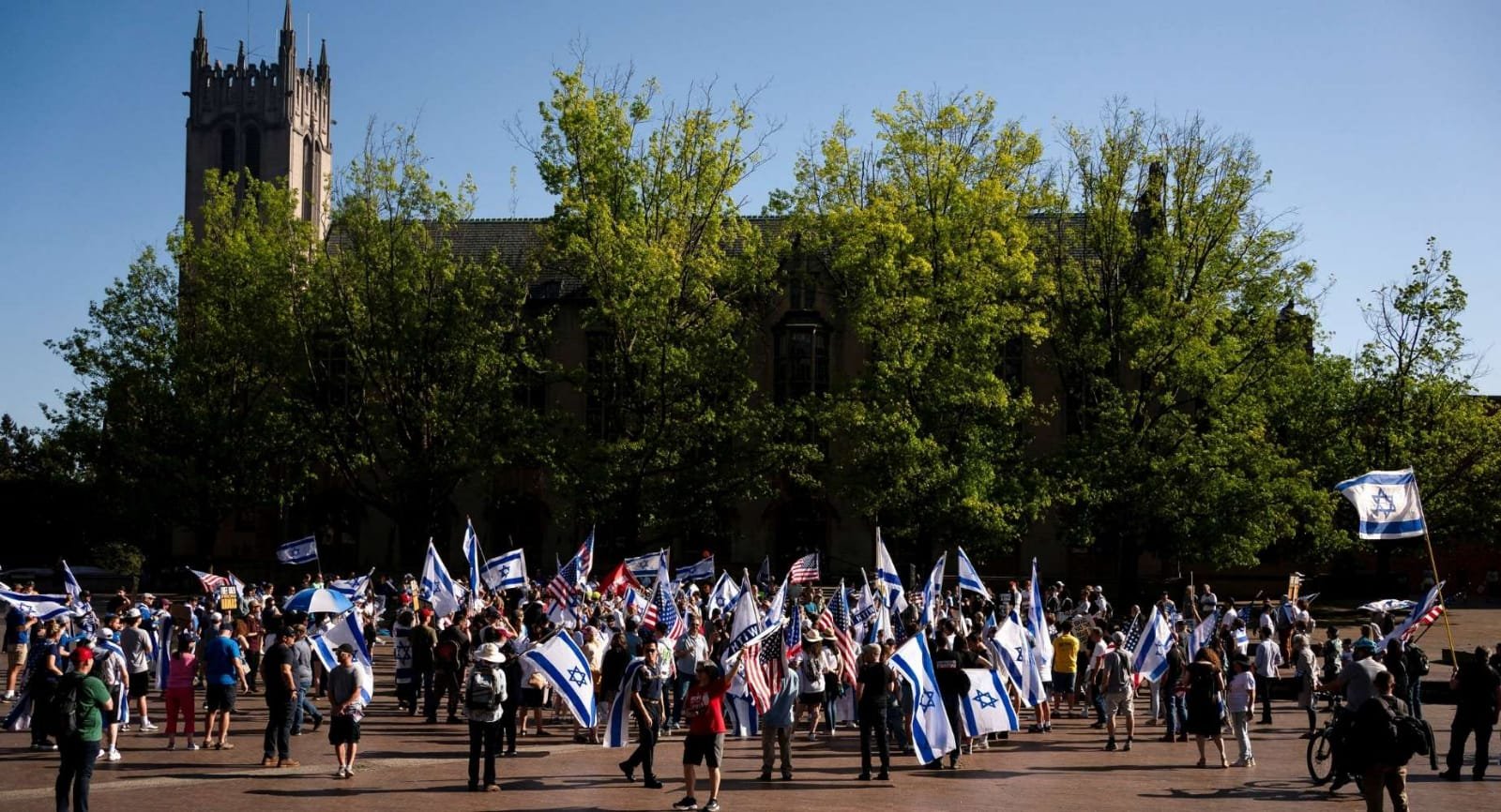
You can always spot Israel’s playbook in any public relations disaster. It’s like clockwork: officials start shouting for more hasbara, more explanation, more spin, as if saying it louder will fix everything. Take the fiasco after the antiestablishment documentary NAZA cleaned up at the Venice Film Festival. Politicians wasted no time slamming the filmmakers as traitors. Commentators threw up their hands, complaining that Israel, once again, failed to explain itself properly to the world. There’s this blind faith in hasbara, a word that literally means “explanation.” The idea goes like this: if only people abroad really understood Israel’s perspective, all that international hostility would just fade away.
But honestly, that’s wishful thinking more than anything. No PR campaign on Earth can rescue a policy that’s fundamentally indefensible. Former diplomat Tova Herzl nailed it: persuasion only works if there’s an actual, coherent policy behind it, one that stands up to scrutiny. Hasbara isn’t some magic trick for confusion or contradiction. When foreign interviewers ask about the future for millions of Palestinians in Judea and Samaria, or why law enforcement keeps shrugging at extremist violence by Israeli citizens, bland talking points just don’t cut it. Even Israel’s friends, like former US Ambassador Mike Huckabee, have called out the lack of consequences for violent settlers. Dodging with deflections or pointing fingers at regional enemies doesn’t answer the core issues, and everyone sees through it.
It gets worse. Israel has been stripping its own diplomatic corps bare. Year after year, budget cuts hit the Foreign Ministry, shrinking its reach in key capitals. But that’s not the end of it. Top ambassador posts and diplomatic jobs have been handed out as political favors instead of going to professionals who know the ropes. The folks who actually understand local politics are pushed aside for loyalists with little real experience. When political operatives, untrained in actual diplomacy, are the ones broadcasting Israel’s messages, it’s not shocking when the world stops paying attention.
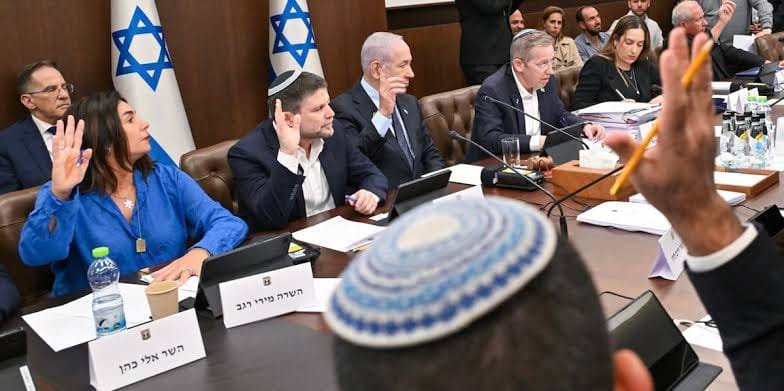
Look at how leaders handled the uproar over NAZA at Venice. Instead of keeping calm, ministers jumped into a feeding frenzy to condemn the filmmakers, some demanding citizenship be revoked and tossing out treason charges. That backfired, big time. It handed the film’s creators a tidal wave of free press and global sympathy they could never have bought. A smart government would’ve left the response to trained professionals, like the IDF Spokesperson’s Unit or the Foreign Ministry. Their statement would have been clear and measured: anonymous claims aren’t facts, and Israel investigates credible accusations of wrongdoing. Simple, focused, and effective.
But what happened instead? A storm of chaotic political noise, perfect fodder for the worst stereotypes about the country. You see it in economic matters too. When investors or donors ask about Israel’s longterm fiscal stability, especially with fastgrowing sectors barely participating in the labor force, and officials brush it off with, “that’s democracy,” it doesn’t put anyone at ease. Markets, allies, and institutions want serious answers and real planning, not slogans designed for local TV.
The real weakness in Israeli PR isn’t the lack of slick graphics or catchy hashtags; it’s a total breakdown in centralized crisis management. In most functioning democracies, leaders pull together and impose discipline when an international incident pops up. In Israel, every minister acts alone, more like loose cannons than a team. Cabinet members fight for TV airtime, aiming to score points with their base, completely ignoring how their dramatic quotes will get chopped up and spun abroad. This kind of chaos turns small culture stories into big geopolitical headaches.
And then there’s the illusion hasbara creates back home. People start believing that Israel’s isolation is just a technical hiccup, maybe the PR budget is too low, maybe the right tweets aren’t getting traction, maybe the spokespeople need more media training. This story conveniently lets policymakers off the hook. It stops real debate about the actual price of current policies. Blame the messengers, dodge the hard questions, and avoid admitting that most international backlash is actually about concrete decisions made by the government.
It’s true: Israel faces a brutally hostile environment globally. Double standards, organized campaigns, and outright antisemitism twist perceptions, no matter what Israel does. The UN General Assembly is proof enough, it issues more condemnations against Israel than all the other authoritarian states combined. The bias is real, no dispute. But that’s not a free pass for selfinflicted wounds. When leaders chase applause from their political bases and ignore longterm strategy, they only damage Israel’s standing on the world stage.
Without real, defensible policy, and a functional diplomatic corps, hasbara just becomes transparent spin. It’s noise trying to cover up strategic emptiness. Persuasion falls flat when official statements have zero connection to reality. If Israeli leaders want respect abroad, it can’t be demanded or bought with louder messaging. It’s earned, slowly, through disciplined leadership, smart strategy, and policies that actually match the national interest. That’s the tough road, but it’s the only one that works.