By Eitan Levi
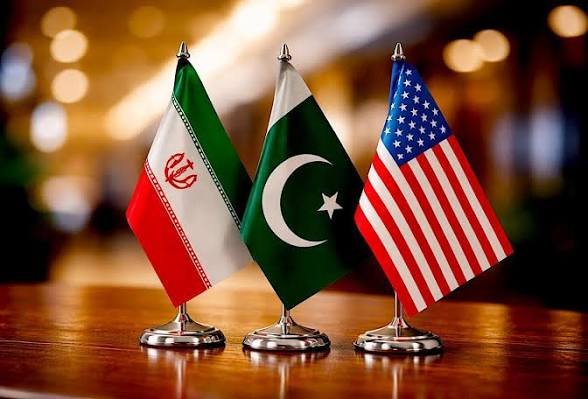
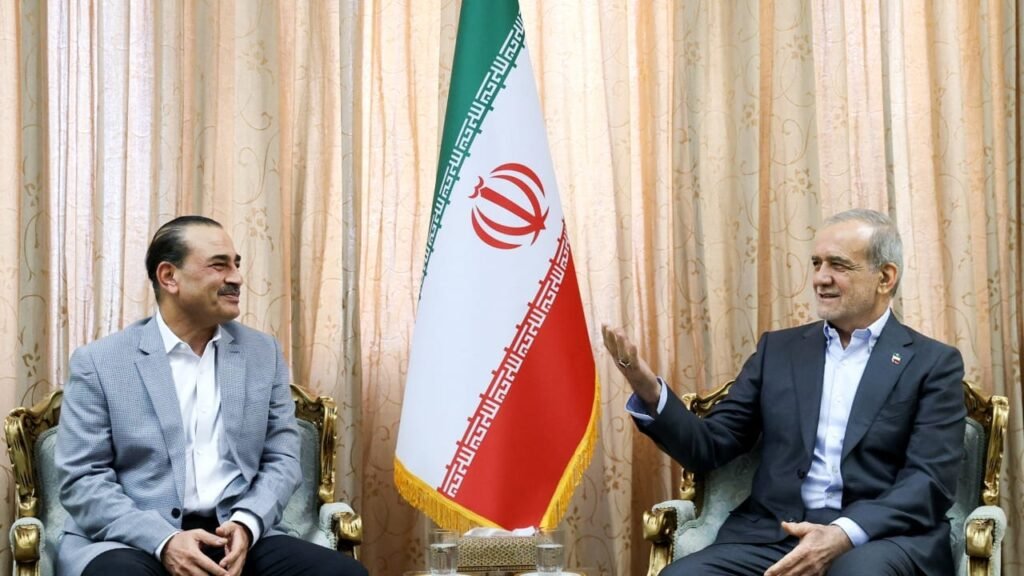
Field Marshal Asim Munir, Pakistan’s Chief of Defence Forces, visited Tehran, surrounded by a high level delegation. The timing is not accidental, he arrived right after Russian Foreign Minister Sergei Lavrov visited the Iranian capital. Suddenly, Tehran has become a magnet for diplomatic action, a swirl of meetings and behind the scenes maneuvering. Iranian Foreign Ministry spokesman Esmaeil Baghaei tried to downplay things, talking about “strengthening ties” and “regional cooperation.” But let us be real: the trip of Munir is about a lot more than routine handshakes or friendly photos.
What is actually going on? The top defense chief of Pakistan is trying to defuse a dangerous standoff between Washington and Tehran, one with real potential to spiral. The threat of fresh U.S. military strikes against Iran is looming, never far from mind. Meanwhile, global energy markets are already wobbling under the pressure of economic crisis, every bit of tension in the Gulf feels like a punch to the gut.
Munir’s move comes at one of those moments when the whole Middle East is holding its breath. This year started with U.S. and Israeli strikes on Iranian targets, turning up the heat across the region. Now, as Israel’s October 27 national election approaches, security forces all over are on edge, worried about the conflict turning into something bigger, maybe on several fronts at once. Economic chaos is only fueling the anxiety. Oil has shot past $100 a barrel, mostly because the Strait of Hormuz, the narrow path handling a fifth of the world’s oil, keeps getting tangled in maritime drama. Every new skirmish or closed shipping lane hits wallets worldwide.
Iran sees the leverage and is not shy about using it. By squeezing shipments through the Strait, Tehran is making global markets even jumpier, trying to force Washington to the bargaining table. Iran’s offer? Open the waterway in a week, but only if the U.S. lifts sanctions and provides hard guarantees over maritime security. So far, the Trump administration is not budging, and Iranian Foreign Minister Abbas Araqchi is not either. Everything is stuck, negotiations are frozen in place, and the risks keep rising.
Enter Pakistan. Islamabad sits in a unique spot in all this. Its 900 kilometer border with Iran’s Sistan Baluchestan province is restive and rough, with terrorism simmering on both sides. That reality forces Pakistan and Iran to at least coordinate at some level. But unlike many countries in the region, Pakistan somehow manages to keep trusted and open backchannels, both with Washington and Tehran.
Pakistan has hosted indirect talks between the U.S. and Iran before, with big players from the region involved. Munir himself can speak directly to the top of the Trump administration. Add that to Pakistan’s military muscle, and its growing security ties with Saudi Arabia and Turkey, and Munir is one of the rare figures who can move between these hostile camps carrying proposals that actually matter.
From an Israeli point of view, though, there is a sense of frustration, or even cynicism, in watching Munir rise as a go between for Washington. Some see him taking advantage of American nerves and the frenzy in the energy markets, stepping in as the one who can “manage” the Iran crisis. It is as if Pakistan has turned its military strength into a kind of diplomatic fast pass, using Washington’s desperation for a quick fix in the Gulf to become a central power broker.
That is clever, but in Jerusalem it leaves a bitter taste. Munir comes across like a heavyweight mediator, but his involvement risks handing Iran an easy escape. When Pakistani generals sit down in Tehran, they are dealing with a regime that has been funding terror groups near Israel’s borders and pushing a hostile nuclear program. If Munir thinks a few quiet deals over shipping and sanctions will really calm Iran down, he is missing the bigger dangers.
Iranian officials do not see mediation as a sign of reconciliation. For them, it is about buying time. The goal is to use backchannel talks to get quick economic relief, lower American pressure, and build some breathing space to repair their battered infrastructure and support networks. By helping set up these deals, Munir may end up giving Tehran a break, one that comes with no real requirement for them to change their ways.
For Israel’s defense establishment, any mediation that deals with the Strait of Hormuz in isolation, while ignoring the spread of ballistic missiles or proxy militias, is basically missing the point. Sure, Pakistan’s diplomatic clout might appeal to a Washington worried about oil prices, but that matters little to Israel’s actual security needs.
The high profile arrival of Munir in Tehran might prove Pakistan’s reach. But it does not change Israel’s calculations. Backchannel talks might slow things down for a moment, enough to help Israel get through its election. But let us be clear: Jerusalem has no plans to trust its survival to others. It will not let backchannel brokers decide when or how to respond. Whether the mediation of Munir leads to a brief calm or crashes against Iran’s stonewalling, the approach of Israel stays the same: deter without compromise, stay operationally alert, and act alone whenever its sovereignty demands it.
About the Author
Eitan Levi is a Security and Geopolitical Analyst with expertise in Israeli defence strategy, Iran’s regional operations, Middle Eastern power rivalries, and Israel’s security partnerships.