
By Noam Shalev
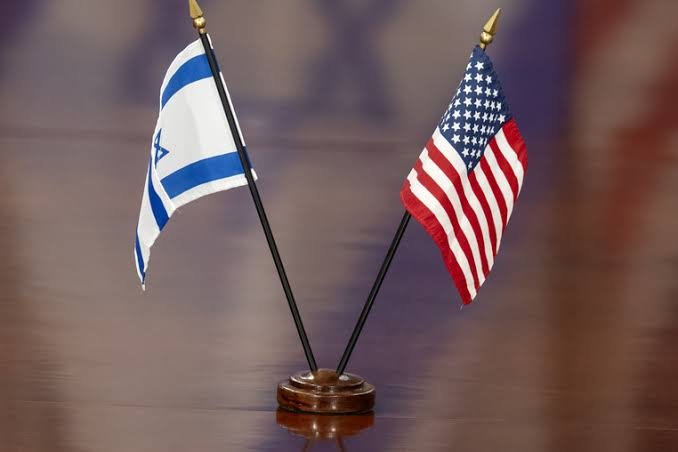
For years now, a comforting story has quietly gained ground in Jerusalem: the idea that Israel is absolutely essential to America’s military technology, intelligence on counterterrorism, and overall global dominance. The thinking goes, Washington just cannot function without Israeli know how. It sounds flattering, but honestly, it is not just wishful thinking. It is flat out risky, and it could undermine Israel’s own security in the long run.
Take Brigadier General (Res.) Prof. Jacob Nagel, for example. He is no stranger to this relationship, he led Israel’s National Security Council and was the main negotiator for that big Memorandum of Understanding (MOU) in 2016. He is not mincing words these days. With Israel getting ready for new negotiations to replace that historic ten year, $38 billion defense deal from the Obama era, Nagel’s reality check could not come at a more important moment. The game has changed, today’s negotiations are way more complicated and the stakes are higher. If Jerusalem wants to get this right, it needs a sharp understanding of what both sides really gain from the relationship, and, maybe even more important, a clear sense of how far Israeli influence actually reaches.
A lot of the confidence in Israel’s leverage comes from its remarkable defense technology culture. There is no getting around it, Israel really does hit above its weight here. From inventing systems like Iron Dome, Arrow, and David’s Sling, to pioneering combat drones, satellites, and world class cyber defense, Israeli ingenuity keeps reshaping the battlefield. Companies like Nvidia, Google, Amazon, Meta, and Palo Alto Networks have all set up significant R&D operations in Israel to tap into this wellspring of talent. And let us not forget those long standing joint ventures, Israel’s defense heavyweights like Rafael, IAI, and Elbit Systems work hand in hand with major American defense companies, handing the Pentagon reliable, tried in combat solutions right when they are needed.
But here is the thing: being agile and innovative does not make Israel irreplaceable. The United States has an industrial, financial, and technological engine that eclipses anything else on the planet. Sure, when Israel delivers rapid fixes or field ready technologies, it gives America speed and tangible results. But once the US machine gets rolling, deploying DARPA, national labs, and the resources of its massive defense industry, it does not just catch up, it usually overtakes those early breakthroughs. Israeli tech might strike the spark, but America brings the full grid.
So if Israel starts basing its strategy on the idea that its tech makes it untouchable and indispensable to Washington, it is setting itself up for disappointment, maybe even disaster. Some in Jerusalem have floated the idea of dumping the old model of military aid for a new partnership based just on technological collaboration, arguing that financial aid limits Israel’s independence. But this misses the hard facts of today’s wars.
Technology, code, patents, they matter. But they do not replace fighter jets and munitions lined up and ready for use. The Israeli Air Force runs on hard assets: F 35s, advanced missiles, cargo planes, and the steady flow of supplies that only the American security framework guarantees. These huge procurement programs depend entirely on American foreign military financing. Swapping this for softer “partnership” ideas endangers the very lines that keep Israel’s air dominance a reality.
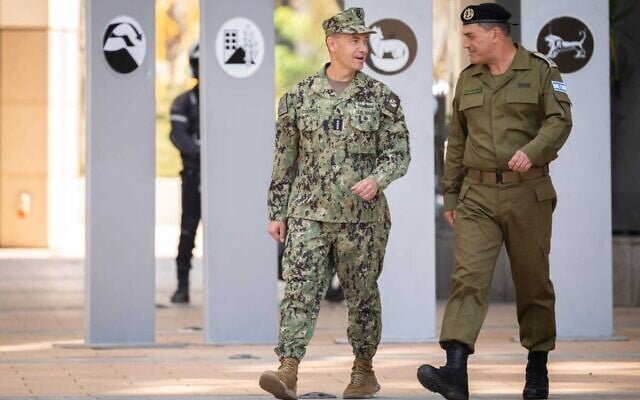
The core of what Israel brings to its alliance with the US goes far beyond economics and technology. This partnership is built on shared strategic footing: political, operational, and institutional ties. US law even spells it out with the Qualitative Military Edge commitment, helping Israel make sure it can defend itself, on its own, against any regional threat. When Israel keeps its military sharp and advanced, it helps shield the entire region from instability and keeps US combat forces away from direct conflict.
Israel serves as a force multiplier for the US. It gives real time intelligence, road tests the latest doctrines in live situations, and works side by side with America to counter Iran, Russia, China, and others. Since the Abraham Accords, Israel’s defense connections even help the US strengthen regional ties across the Gulf.
But none of this is happening in a vacuum. Politics in Washington are not what they were in 2016, the landscape has gotten fractured. Arguments about foreign aid and overseas commitments are sharper than ever. On the right, isolationist voices want to cut back on all forms of help. On the left, there is more pushback against defense exports and the political alliance itself. If Israel walks into these talks banging the table and claiming to be irreplaceable, it is almost certain to backfire, leaving the very congressional and military leaders it needs for support feeling alienated.
These coming MOU talks need sharp, pragmatic negotiation. Back in 2016, the focus was mostly on making sure Israel had steady, predictable funding. Now, the world has changed, Israel is facing new and multiple threats, which means big changes in the defense budget and ongoing hardware resupplies. Nagel’s own committee has laid out how much more financial strain Israel’s military will be under moving forward. To lock in this deal, Israel’s negotiators have to be disciplined, direct, and show where the interests truly line up.
The only way forward is to accept the reality of this partnership. It is powerful and unique, a superpower and its top regional ally, each offering what the other cannot provide alone. Israel brings experience, speed, fresh ideas, and a frontline deterrence that cannot be faked. America delivers global reach, top of the line weapons, diplomatic clout, and a security blanket no one else can offer.
If this partnership is going to last, Israel needs to let go of myths of being irreplaceable. Realizing your limits is not about weakness, it is about strategy and maturity.
About the Author
Noam Shalev is a Political Affairs Commentator covering Israeli government policy, US-Israel relations, coalition politics, and diplomatic engagement across the Middle East.