
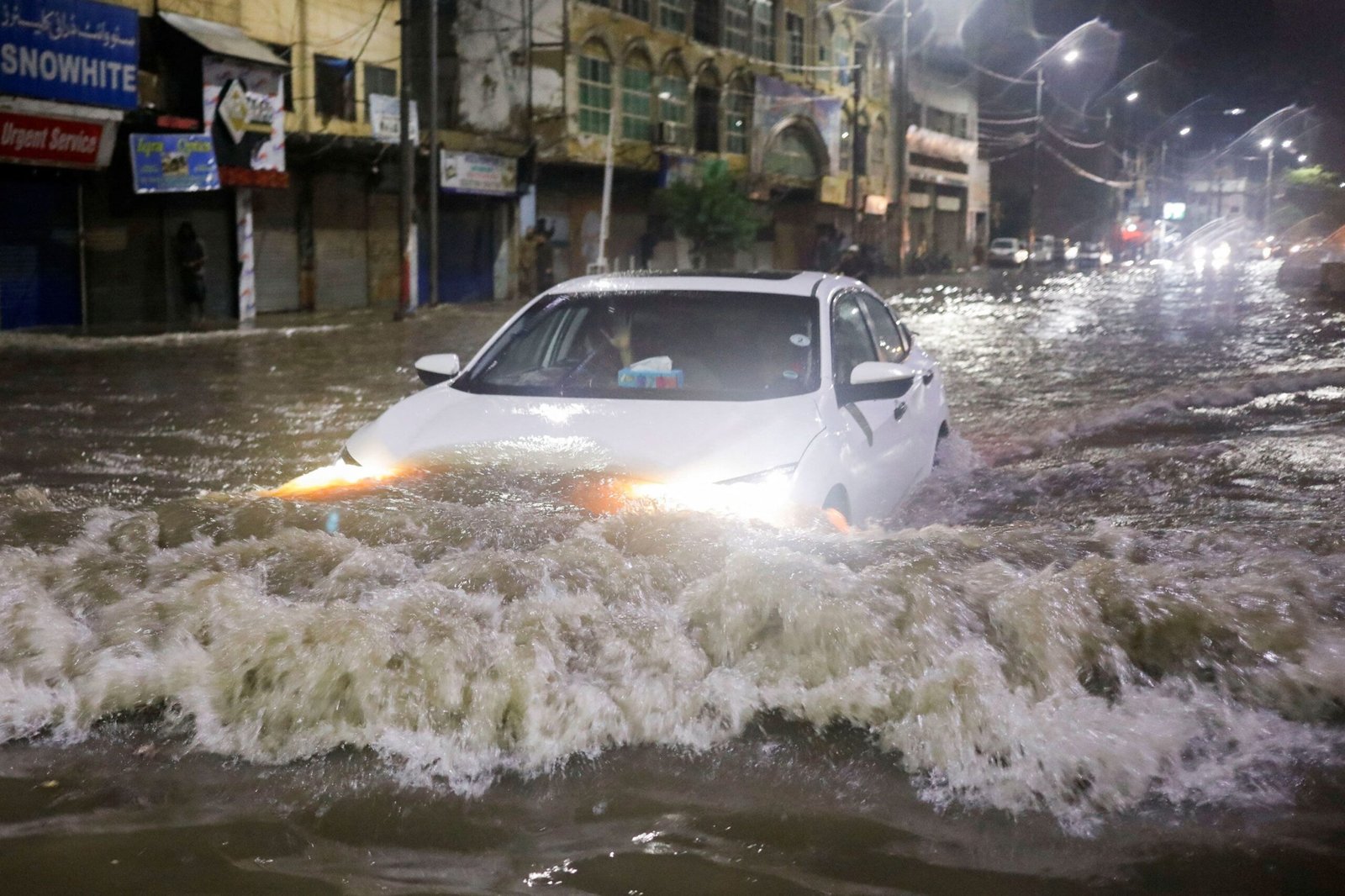
Climate change is increasingly linked to extreme weather events around the world. Scientists warn that rising global temperatures are contributing to stronger storms, prolonged droughts, intense heatwaves, and destructive floods.
Rising Global Temperatures
According to climate researchers, global temperatures have been steadily rising due to increased greenhouse gas emissions from human activities such as burning fossil fuels and deforestation.
These changes in atmospheric conditions affect weather patterns and natural ecosystems.
Impact on Communities
Extreme weather events have significant impacts on communities worldwide. Flooding can destroy homes and infrastructure, while droughts can reduce agricultural production and threaten food security.
Heatwaves also pose health risks, especially for vulnerable populations such as the elderly and children.
Environmental Consequences
Climate change is also affecting wildlife habitats, ocean ecosystems, and polar ice regions. Melting glaciers and rising sea levels threaten coastal cities and island nations.
Scientists emphasize that protecting ecosystems is essential for maintaining environmental balance.
Global Response
Many countries are implementing policies aimed at reducing carbon emissions and transitioning to renewable energy sources. International agreements encourage nations to collaborate in addressing climate challenges.
Conclusion
Climate change remains one of the most significant global challenges of our time. Addressing its impacts requires coordinated international efforts, technological innovation, and sustainable environmental policies.