
Defense and Security Assessment: Ottoman Revisionism, Public Deterrence, and Bilateral Realignment
1. Rejection of Neo Ottoman Rhetoric and Hard Lines
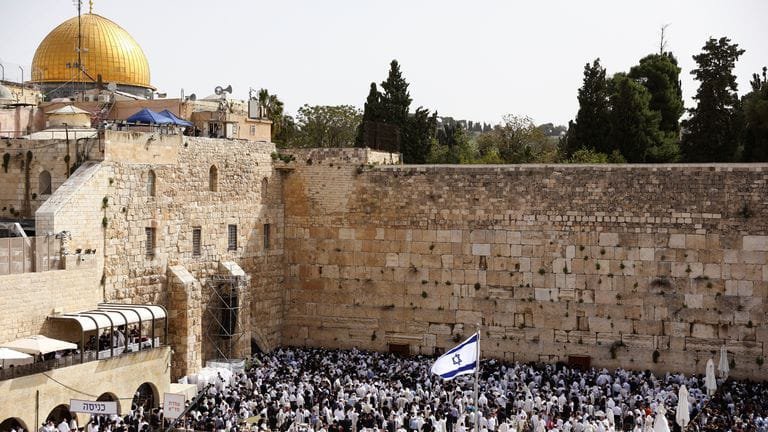
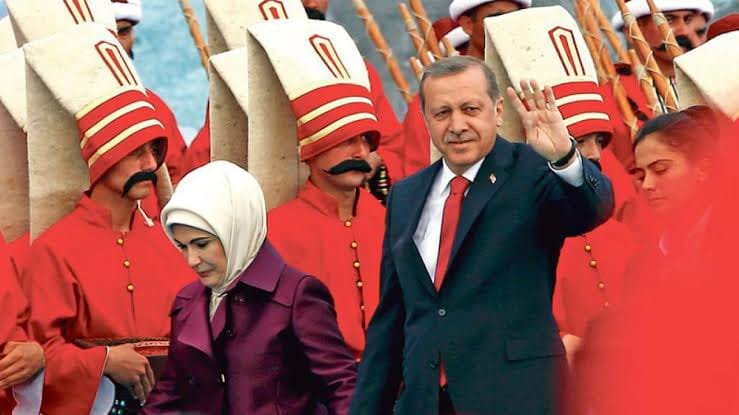
Defense Minister Israel Katz didn’t hold back when he responded to the wave of neo Ottoman rhetoric coming out of Ankara lately. Reacting directly to public fantasies from senior Turkish officials about reclaiming Jerusalem, Katz drew a hard line. His message was blunt. Israel isn’t some crumbling medieval empire, Jerusalem is never going back under foreign rule, and Turkish leadership would be smart to think carefully about the cost of picking a fight over this.The whole exchange started when Turkish Interior Minister Mustafa Ciftci publicly said he dreamed of seeing Jerusalem liberated and revealed he’d actually prayed for the chance to govern the city himself. That kind of statement isn’t just a one off outburst either. It fits into a broader ideological push from President Recep Tayyip Erdogan’s government, which regularly leans on anti Israel rhetoric to rally support at home and project regional influence abroad. Ankara has spent years watching the shifting balance of power across the Middle East, working to expand its footprint from northern Syria all the way into the Caucasus. When Turkish ministers start talking openly about reclaiming holy sites in Israel, they’re tapping into a revisionist reading of history, one that treats the Ottoman Empire’s collapse not as something final, but as some kind of temporary pause.
2. Core Sovereignty and IDF Strategic Depth
Katz’s response cut straight through that posturing by going after the core illusion behind Turkey’s regional ambitions. By reminding Ankara that Jerusalem isn’t Constantinople, and that modern Israel bears no resemblance to the empires that crumbled from internal decay, the defense minister was really stating a much deeper national truth. Israel was built precisely so that Jewish security would never again depend on the mercy of some foreign ruler or imperial power. Today’s Israel Defense Forces have the strategic depth, intelligence capability, and technological edge to protect the country’s borders against any mix of state adversaries and proxy groups.
3. The Iranian Precedent and Deterrence Calculations
The mention of Iran in Katz’s warning carried real weight. Over the past year, Israel has shown it’s willing to blow past longstanding red lines, striking deep inside Iranian territory and degrading the infrastructure of the so called axis of resistance. By explicitly telling Erdogan not to put Turkey on a collision path similar to Tehran’s, Katz was pointing straight at the steep cost of any miscalculation. Ankara can use fiery rhetoric for domestic political points all it wants, but crossing the line from verbal hostility into actual operational interference against Israel invites serious consequences. Given Turkey’s economic vulnerabilities and how unpredictable regional conflicts have become, Erdogan genuinely has far more to lose by testing Israel’s resolve than he could ever gain from populist posturing.
4. Dismantling Historical Ties and Realizing Public Deterrence
This whole verbal clash also highlights how far a once important pillar of Israeli foreign policy has crumbled. For decades, strategic and military cooperation between Jerusalem and Ankara helped anchor regional stability. That relationship got deliberately dismantled by an increasingly Islamist Turkish leadership that chose instead to champion Hamas, host its political figures, and turn state media into a constant engine of anti Israel messaging. As ties between the two countries hit historic lows, Israeli leadership has shifted from quiet containment toward open, public deterrence instead.
5. Unambiguous Lines in Multi Front Security
The security reality Israel faces right now leaves basically no room for ambiguity. With multiple active fronts across the region and foreign capitals testing where the lines actually are, national leaders need to project total clarity. When Turkish officials daydream about ruling Jerusalem, they’re challenging the sovereign foundation of the Jewish state itself. Katz’s blunt response makes clear that Israel isn’t going to ignore threats like that, and it isn’t going to appease them either. The message to Ankara is unmistakable. Jerusalem’s status isn’t up for negotiation, its defense is absolute, and any foreign power dreaming of imperial conquest is going to run straight into a wall it can’t move.
6. Strategic Posture Shift and Rejection of Isolationism
Looking past the immediate war of words, this friction points to a bigger shift in Israel’s overall posture. For decades, Israeli governments often absorbed verbal attacks from regional actors just to avoid deepening diplomatic isolation. That defensive crouch has basically been thrown out at this point. Senior officials clearly understand that letting hostile rhetoric from capitals like Ankara go unanswered only invites more of it, and emboldens leaders looking to delegitimize Israel’s existence altogether. By drawing that historical contrast between a modern, sovereign Jewish democracy and a long defunct Ottoman administration, Jerusalem is signaling it views these threats as existential, not rhetorical.
7. Domestic Instability in Ankara and International Risks
Erdogan’s domestic political troubles play a real role in fueling this escalation too. Facing persistent economic strain, high inflation, and growing political dissent at home, Turkey’s ruling coalition frequently reaches for anti Israel posturing to rally its base and redirect attention away from its own failures. Ramping up rhetoric about Jerusalem is a convenient tool for political mobilization, tapping into deep nationalist and Islamist sentiment. But foreign policy driven mainly by domestic political survival carries real risk. When ministers in Ankara publicly pray for control over a foreign capital, that’s crossing well past standard diplomatic posturing into actual territorial revisionism, and it forces Jerusalem to respond with maximum firmness in return.The international community needs to recognize the danger of letting this kind of expansionist rhetoric become normalized too. When NATO members tolerate, or even quietly encourage, open threats against the territorial integrity of a democratic ally, it undermines the entire framework that regional stability depends on. Israel’s clear eyed response here functions as a necessary deterrent, making clear that fantasies of imperial restoration are going to meet real, unyielding resistance on the ground. As the Middle East keeps navigating a volatile postwar reality, the message out of Jerusalem stays the same. The borders of the Jewish state are permanent, its capital is undivided, and any actor that miscalculates Israel’s readiness to defend its sovereignty is going to face consequences that don’t go away.