
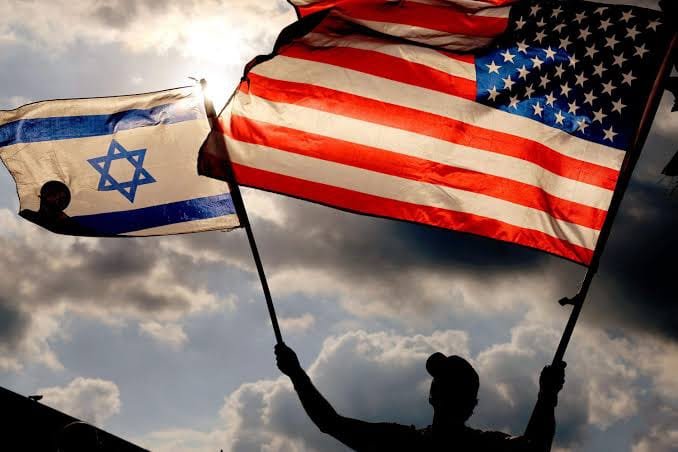
The Brutal Exposure of the Trump-Netanyahu Rift
For decades, the strategic alliance between Jerusalem and Washington was anchored by a sacred, unwritten rule: disagreements, no matter how severe, were handled behind closed doors. That era has officially ended. A series of extraordinary public clashes has exposed a widening, systemic rift between Prime Minister Benjamin Netanyahu and the Trump administration. The relationship has deteriorated to the point where the White House is no longer hiding its anger, and the traditional assumption of unconditional American backing has been replaced by a raw, transactional reality.
The F-35 Flashpoint: Ankara vs. Jerusalem
The latest and most explosive flashpoint centers on US President Donald Trump’s sudden pivot toward Turkey. During his trip to Ankara for the NATO summit, Trump announced plans to lift 2020 sanctions and threw his support behind selling advanced F-35 stealth fighter jets to Turkey. For Israel, the prospect of its hostile, Muslim Brotherhood-supporting neighbor obtaining the crown jewel of American aviation is a severe threat to its qualitative military edge (QME).
Rather than working through quiet, established diplomatic channels, Netanyahu went highly public. In an interview with Fox News shortly before Trump’s departure, the Prime Minister warned that Turkey is ruled by an extreme regime that chants “Death to America” and insisted that providing Ankara with F-35s would dangerously upset the regional balance of power.
“Bibi had no right to weigh in on American foreign policy decisions…”
— Senior US Official, reflecting the fury inside the West Wing following Netanyahu’s Fox News appearance.
The reaction from the White House was swift and furious. According to US officials, Trump was deeply angered by the public intervention. One official described the president as “pissed off,” while another stated that Trump felt “Bibi had no right” to weigh in on American foreign policy decisions. The anger was so intense that despite weeks of Israeli media reports suggesting Netanyahu would be hosted at the White House, no such meeting was scheduled, with one American official noting that Netanyahu was merely “trying to will a meeting into existence”.
Deepening Communication Breakdown & Regional Strategy
This spat over fighter jets is not an isolated diplomatic misunderstanding. It is a symptom of a much deeper, structural breakdown in communication over the administration’s broader Middle East strategy. Since the US and Iran reached a preliminary ceasefire agreement, the Trump administration has been determined to wind down military campaigns that are deeply unpopular with the American public. Israel, viewing any deal that leaves Iran’s nuclear and proxy infrastructure intact as an existential threat, has fought back fiercely.
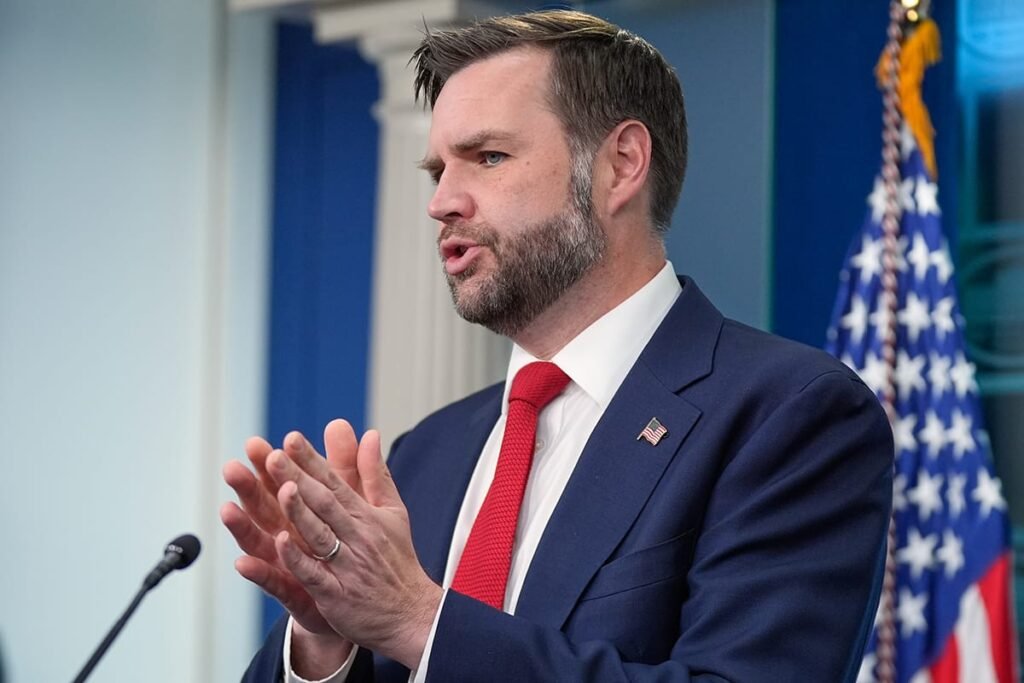
The frustration inside the White House boiled over when US Vice President JD Vance appeared on Joe Rogan’s podcast. In a stunningly hostile tirade, Vance accused elements of the Israeli government of funding a covert campaign to manipulate American public opinion, derail his diplomatic negotiations with Iran, and prolong the war indefinitely.
Rather than walking back the Vice President’s remarks or attributing them to an unscripted slip of the tongue, the White House doubled down. White House spokesperson Karoline Leavitt explicitly backed Vance, stating that Trump would certainly agree that foreign countries try to persuade American public opinion. This formal endorsement of Vance’s hostility represents a watershed moment. For the first time, a Republican administration is publicly accusing the Israeli government of acting as a hostile foreign influence machine working against American national interests.
The Transactional Reality of ‘America First’
The underlying problem is that Jerusalem has failed to grasp the core philosophy of the modern GOP. The “America First” movement is inherently isolationist, transactional, and deeply suspicious of long-term foreign entanglements. To Trump and Vance, Israel’s insistence on continuing military operations without a clear, US-approved exit strategy is seen not as a legitimate act of national self-defense, but as an attempt to drag American soldiers and capital into an endless Middle Eastern quagmire.
Furthermore, Netanyahu’s decision to air these grievances on conservative American media outlets like Fox News has backfired spectacularly. While this strategy previously worked to bypass hostile Democratic administrations, it is viewed by the current White House as a direct challenge to Trump’s authority. In the transactional world of the current administration, public loyalty is the ultimate currency. By challenging Trump’s Turkey policy and lobbying against his Iran diplomacy, Netanyahu has violated the primary rule of the partnership.
Navigating an Unforgiving Future
This widening rift leaves Israel in a dangerously isolated position. For years, Israeli leaders operated under the assumption that even if relations with Democrats soured, the Republican Party would remain an unshakeable, protective shield. That shield is now cracked. The administration is openly signaling that it is willing to sacrifice Israeli security concerns, whether by selling stealth jets to Erdogan or cutting deals with Tehran, to achieve its own domestic and geopolitical goals.
As Netanyahu prepares for his delayed trip to Washington, the stakes could not be higher. Israel must urgently reassess its diplomatic strategy. The prime minister can no longer rely on personal relationships or appeal to shared ideological values. He must learn to speak the transactional language that the current White House understands.
“If we do not adapt to this cold, transactional reality, we risk facing the existential threats on our borders entirely alone.”
If Israel wants to prevent the sale of F-35s to Turkey or influence the final terms of an Iran deal, it must present concrete, alternative security frameworks that align with Washington’s desire to reduce its regional footprint. Continuing to publicly lecture the American president on prime-time television will only deepen the crisis. In this new, unforgiving era of American foreign policy, Israel must realize that its status as a “model ally” is no longer guaranteed.