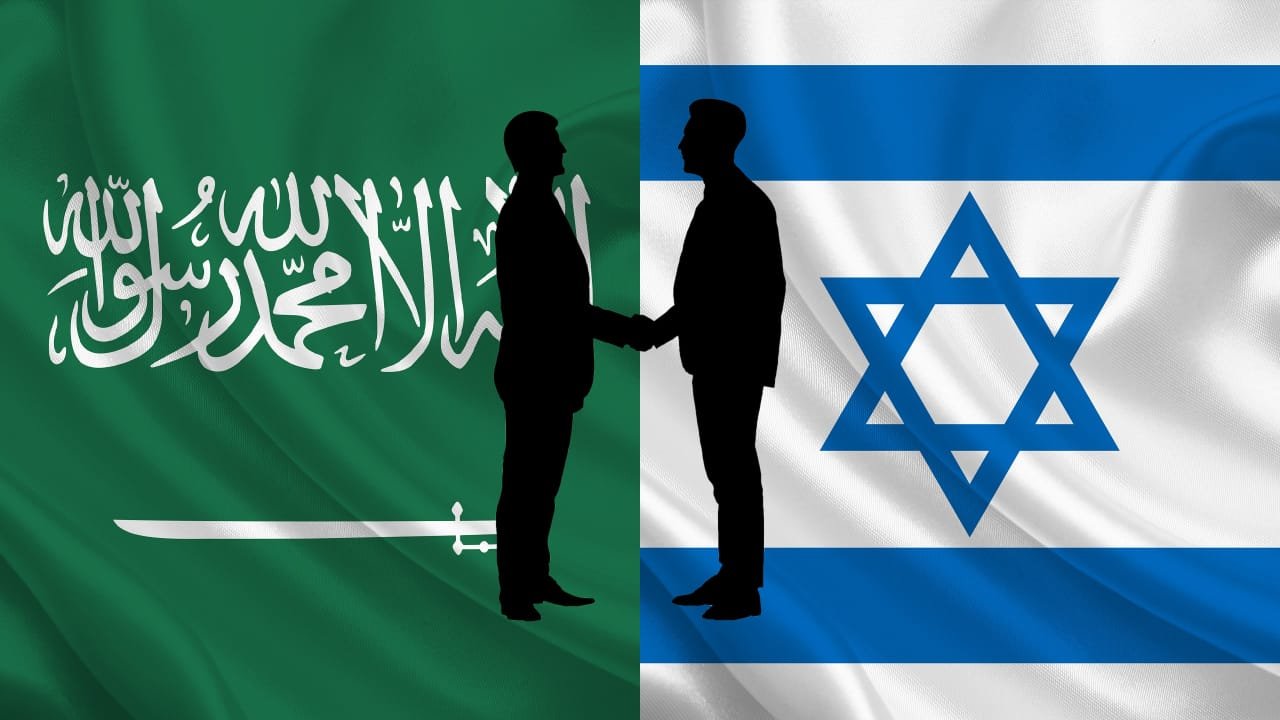
The geopolitical tectonic plates of the Middle East are shifting once again, and the coveted prize of Saudi-Israel normalization is caught in the grinding gears of domestic politics and wartime realities. Reports originating from diplomatic backchannels reveal that Riyadh has laid down a series of uncompromising, highly specific conditions for formally joining the Abraham Accords and recognizing the Jewish state. These demands do not merely seek minor policy adjustments; they represent a fundamental challenge to the current political order in Jerusalem.
According to reports, the Saudis are demanding the replacement of Prime Minister Benjamin Netanyahu following the next elections, a complete rollback of Finance Minister Bezalel Smotrich’s expansionist policies in Judea and Samaria, and a clear, irreversible Israeli commitment to a future Palestinian state.
These conditions, quietly floated to Washington during the intense months of regional conflict, demonstrate that the Saudi leadership is caught in a profound strategic bind. On one hand, Crown Prince Mohammed bin Salman deeply desires the historic deal. It represents the ultimate crown jewel of his strategic vision, unlocking a coveted bilateral defense pact with the United States, a civilian nuclear program, and a powerful regional alliance. On the other hand, Riyadh is intensely realistic. They know that the current political constellation in Jerusalem cannot and will not deliver on any meaningful West Bank concessions.
Why is Saudi Arabia drawing such a hard line now? Before the devastating events of October 7, 2023, Riyadh was signaling a high degree of pragmatism, hinting that normalization could proceed with only modest concessions to the Palestinians. But the prolonged war, the humanitarian crisis, and the dramatic awakening of public anger across the Arab street have radically narrowed the kingdom’s diplomatic maneuvering room.
The Crown Prince is hyper-aware of his domestic audience and his standing as the custodian of Islam’s holiest sites. He cannot afford to be seen as betraying the Palestinian cause in exchange for American security guarantees. By setting these high, explicitly political conditions, the Saudis are essentially placing the ball in Israel’s court. They are signaling to Washington and the Israeli public that the obstacle to regional peace is not Saudi reluctance, but the ideological rigidity of Israel’s current governing coalition.
The late U.S. Senator Lindsey Graham, who worked tirelessly to broker this historic peace, understood this dynamic perfectly. Graham viewed Saudi-Israel normalization as the ultimate strategic counterweight to the Iranian axis. His frantic backchannel diplomacy was aimed at finding a formula that could bridge the chasm between Saudi demands and Israeli political constraints. Yet even Graham’s legendary persuasive powers could not bypass the hard reality of Jerusalem’s current cabinet.
This leaves Israel with a series of stark, difficult choices as the country heads toward pivotal elections in October 2026. The options before the Israeli electorate and the political establishment are clear, and none of them are painless.
The first option is to maintain the ideological status quo. Leaders like Bezalel Smotrich have already made their positions absolutely clear, stating that if a Palestinian state is a dealbreaker, then the Saudi deal will simply sink. For the right-wing base, any concession on Judea and Samaria, let alone a commitment to a Palestinian state, is an existential threat to Zionism itself. Proponents of this view argue that Israel should not allow foreign powers, even friendly ones, to dictate its borders, its governing coalitions, or its internal security policies. They believe Israel can survive without Saudi recognition, relying on its own military strength and the existing, albeit strained, Abraham Accords.
The second option is a profound political and strategic reset. If a new, more moderate coalition emerges from the upcoming elections, Israel could choose to seize the Saudi offer. This would require a willingness to freeze settlement expansion, curb the influence of extremist elements in the West Bank, and agree to a phased, highly conditioned pathway toward Palestinian self-governance.
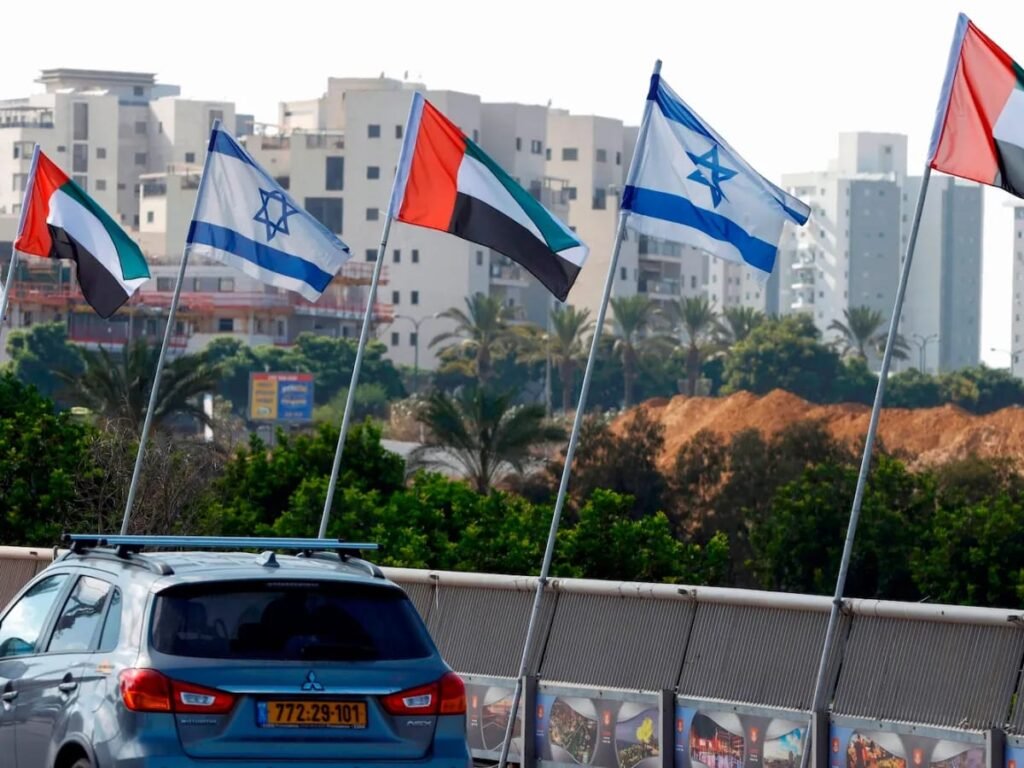
Supporters of this path argue that the strategic payoff is immense. Normalization with Saudi Arabia would dismantle the regional isolation Israel has faced during the war, build an ironclad regional defense alliance against Iran, and secure Israel’s long-term integration into the Middle East. It is a trade-off reminiscent of 2020, when Israel suspended annexation plans to achieve normalization with the United Arab Emirates. This time, however, the stakes are much higher, and the required concessions are much deeper.
Significantly, the strategic payoff of a breakthrough with Riyadh extends far beyond the borders of the Arabian Peninsula. Most notably, a historic peace agreement with the Saudis could pave the way for Israel to establish diplomatic ties with Islamabad. Pakistan stands as one of the biggest and most formidable powers in the Muslim world, possessing both massive conventional military strength and a unique status as the only nuclear-armed state in the Islamic community.
Historically, the political barriers to recognition in Islamabad have been exceptionally high. However, a Saudi decision to normalize relations would fundamentally rewrite those calculations. By taking this step, Riyadh would provide the critical political cover and religious legitimacy needed to dismantle the symbolic taboos surrounding Israel in South Asia. It would allow Pakistan to engage with Jerusalem under the umbrella of a broader, modernized consensus of the Islamic world. For Israel, establishing a direct channel to Islamabad would represent a monumental strategic coup, breaking down the ultimate barrier of non-recognition and securing a partnership with one of the most powerful states in the global arena.
Ultimately, the Saudi conditions have stripped away the illusion that Israel can achieve regional integration while entirely bypassing the Palestinian issue. The era of easy normalization is over. As the Israeli public debates the future of the nation in the shadow of war, they must decide what they value more: the ideological dream of unchecked expansion in the West Bank, or the strategic reality of a historic alliance with the powerhouse of the Arab world, and the global domino effect that would surely follow. It is a decision that will shape the security and character of the Jewish state for generations to come.