
The sudden decision by the Israeli government to formally recognize the Armenian genocide is being framed in Jerusalem as a long-overdue moral reckoning. Foreign Minister Gideon Sa’ar has positioned the move as an attempt to do the right thing after a century of diplomatic hesitation. However, beneath the surface of historical rectitude lies a reality far more cynical and significantly more dangerous. As Israel approaches a bruising autumn election season, this initiative serves as a blunt instrument of domestic political strategy. By prioritizing symbolic gestures over the preservation of vital strategic alliances, Israel risks alienating its most consistent and reliable partner in the Muslim world: Azerbaijan.
The timing is far from coincidental. Israel currently finds itself on the periphery of a rapidly shifting Middle Eastern power structure. As the United States moves to recalibrate its regional influence, seeking a new modus vivendi with Iran and bolstering ties with Turkey, Israel is increasingly isolated. In a period where its diplomatic capital is thin and its governing coalition is fractured by intense internal disputes over military service exemptions and judicial reform, the government is desperate for a win. A historical declaration provides exactly that: a lightning rod for emotional engagement that sidesteps the failures of current foreign policy. But if Israel continues to define its diplomatic success through the lens of electoral convenience, it will eventually discover that it has burned the bridges that actually secure its interests.
The “boomerang effect” of this policy toward Turkey is the most immediate concern, yet it is only half of the story. Turkey’s reaction was entirely predictable. Ankara responded with the same escalatory rhetoric that has characterized bilateral relations for years, including fresh threats regarding Jerusalem. By intentionally provoking Turkey at a moment of extreme tension, Israel has handed the Turkish leadership a convenient rallying cry. This move provides cover for Ankara to harden its regional stance against Israel’s interests in Syria and the eastern Mediterranean. It is a strategic miscalculation that trades long-term regional security for a few days of moral applause in the Knesset.
The more profound tragedy, however, is the reckless disregard for Israel’s relationship with Azerbaijan. For decades, Baku has been an outlier in the global landscape, a Muslim-majority nation that has steadfastly nurtured a deep, strategic, and genuinely warm friendship with Israel. Following the atrocities of October 7, Azerbaijan was a beacon of support. While much of the world recoiled or openly pivoted against Israel, Azerbaijan stood firm, enduring massive external pressure to break ties. It facilitated crucial energy supplies, maintained intelligence cooperation, and kept its doors open when few others would. To view this partnership as merely a matter of arms sales and oil contracts is to commit a cardinal sin of diplomacy. True statecraft relies on trust, reciprocity, and the fundamental recognition of a partner’s core principles.
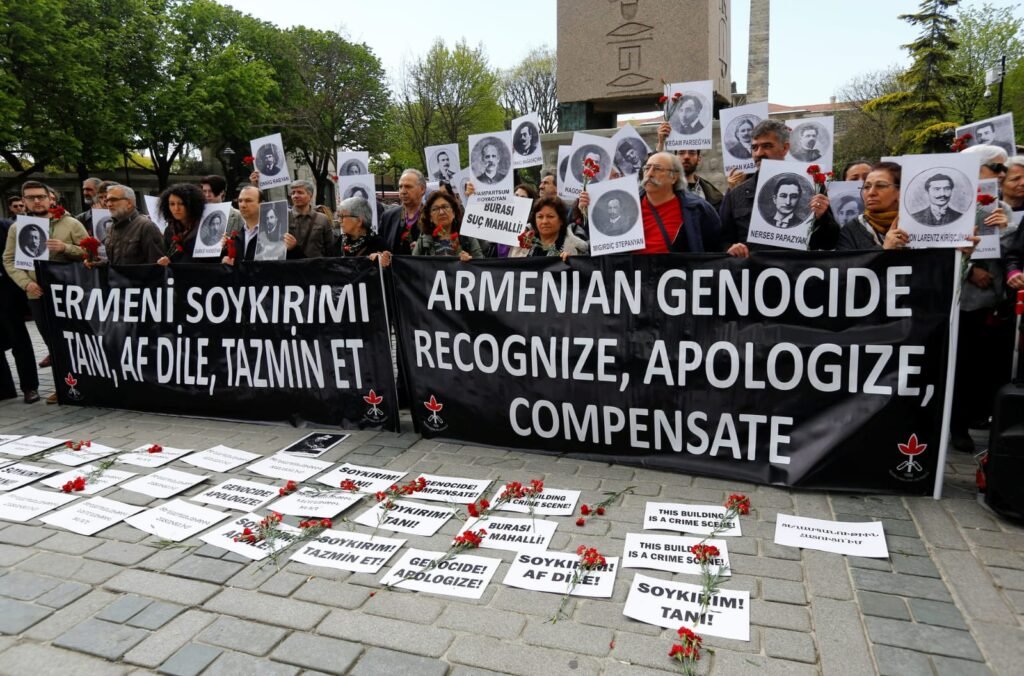
Baku’s objection to the genocide resolution is not rooted in historical revisionism, but in a clear-eyed assessment of its own security and the consistency of international standards. Azerbaijan is currently navigating the delicate, final stages of peace negotiations with Armenia. It views this Israeli move as a destabilizing signal that emboldens revanchist elements in the region. Furthermore, Azerbaijan rightly points to the 1992 Khojaly massacre, where hundreds of Azerbaijani civilians were slaughtered, and asks why the international community, and Israel specifically, applies such selective criteria to historical crimes. When Israel ignores the sensibilities of its most loyal friend, it signals that it does not value the partnership in the way it claims.
The prevailing attitude in certain corridors of the Israeli government, the dismissive “they’ll understand us in Baku”, is a hallmark of a dangerously narrow worldview. It reflects a belief that partners are interchangeable and that friendship is a static resource that can be drained without consequence. This is a fatal misconception. Azerbaijan possesses a unique cultural philosophy, a code known as Kishilik. It encompasses honor, the keeping of one’s word, and the appreciation of those who stand by one another during times of adversity. It is a concept that prioritizes the health of a long-term alliance over the fleeting impulses of a domestic political cycle.
Israel’s current leadership would do well to study this philosophy. In the real world, partnerships are not kept alive by historical resolutions or parliamentary speeches. They are sustained by consistent, respectful behavior and the recognition that one’s allies are not mere tools to be used and discarded. By treating Azerbaijan’s position as an inconvenience rather than a fundamental component of the bilateral relationship, Israel is teaching its friends that their loyalty is not truly appreciated.
If Israel continues to prioritize theatrical foreign policy over the maintenance of its core strategic assets, it will find itself increasingly alone in a region that has little patience for vacillating allies. The upcoming elections will conclude, and the current political debates will fade into the background, but the consequences of this decision will endure. Azerbaijan has earned the right to be treated as a peer and a principal stakeholder in Israel’s security calculations. To disregard its position is to gamble with one of the very few genuine friendships Israel has left.
Statesmanship is not the art of scoring points at the next cabinet meeting; it is the art of securing the nation for the next generation. Israel has spent years building a bridge to the Caucasus, a bridge that has survived conflict, regional isolation, and intense global pressure. It would be a catastrophic error to burn it now, simply because the current government prefers the applause of a domestic audience to the difficult, quiet work of preserving a true alliance. Friends are not to be taken for granted. If Israel fails to internalize this, it will eventually lose the only partners who have proven, time and again, that they deserve to stand by Israel’s side.