
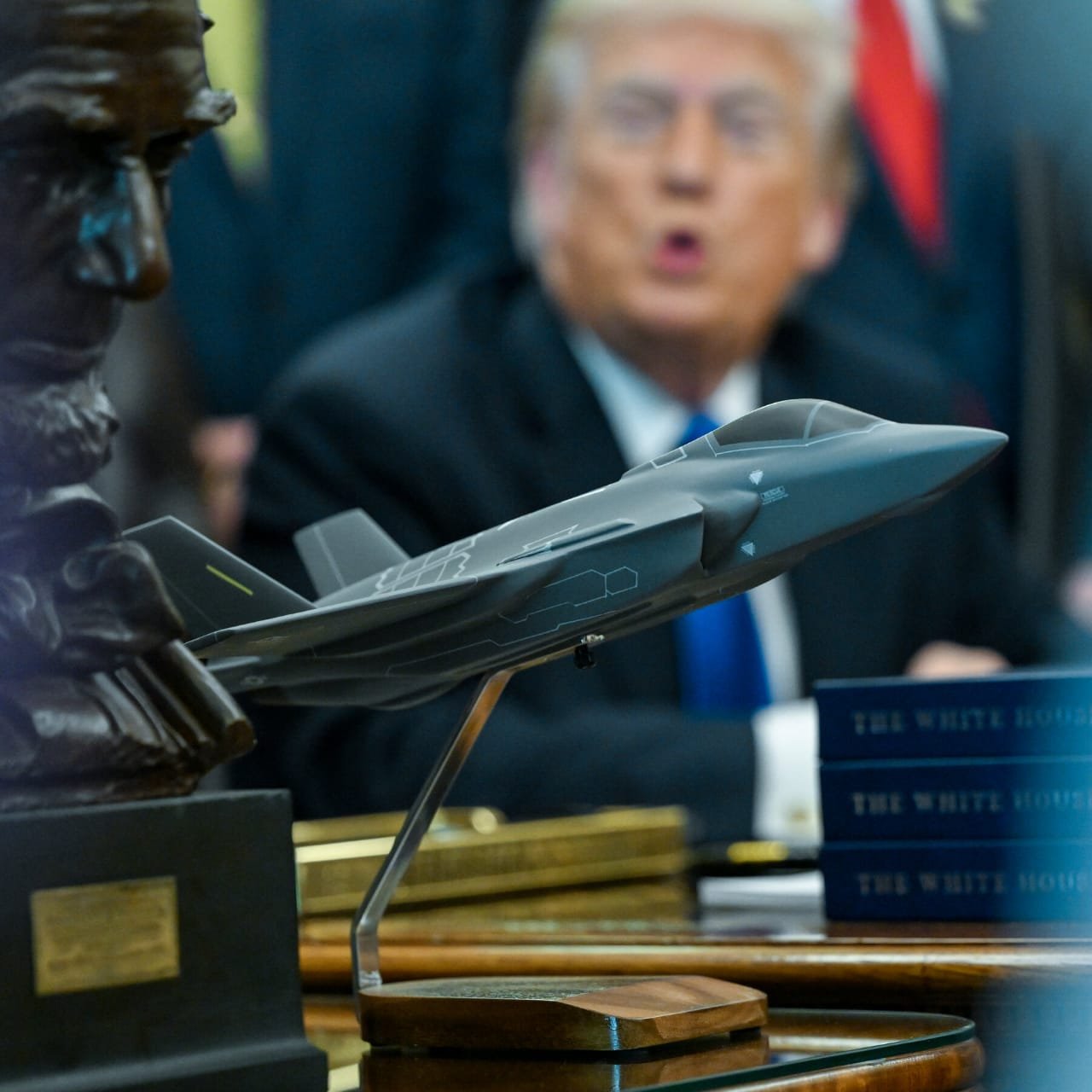
The diplomatic theater currently playing out between Netanyahu and Trump is far more than a routine disagreement between traditional allies; it is a high-stakes, multi-front collision over the future of the Middle East. As President Donald Trump arrives in Ankara for a pivotal NATO summit, Prime Minister Benjamin Netanyahu is engaged in a desperate, last-minute sprint to prevent a strategic realignment that Israel views as nothing less than an existential threat to its regional posture.
Netanyahu’s choice to conduct this fight on the airwaves of Fox News, granting two high-impact interviews in less than 48 hours, is a calculated maneuver born of necessity. He is speaking over the heads of the professional diplomatic establishment, aiming directly at the ear of a president who values public loyalty but remains hyper-sensitive to his domestic political base. The Prime Minister is framing the potential rapprochement between Trump and Turkish President Recep Tayyip Erdoğan not as a simple tactical security upgrade, but as a fundamental betrayal of the shared values that have bound Israel and the United States together for generations.
At the heart of the crisis lies the potential readmission of Turkey to the F-35 stealth fighter program and the transfer of advanced propulsion technologies for the Turkish-made KAAN stealth fighter. For Israel, this is not a narrow procurement issue to be settled by technicians; it is a matter of absolute regional air superiority. Netanyahu has been explicit and unyielding: giving Erdoğan access to such technology would irrevocably upset the balance of power in the eastern Mediterranean, a balance historically guaranteed by Israel’s qualitative edge. By invoking Turkey’s ongoing occupation of Cyprus, its overt support for Hamas, and its opportunistic flirtations with Moscow, Netanyahu is building a political fortress against the deal. He is providing every Republican hawk and Democratic skeptic in the U.S. Congress with the rhetorical ammunition necessary to obstruct the administration’s plans.
The challenge, however, is deeply complicated by the shifting sands of the region. Following the U.S-Iran Memorandum of Understanding signed in late June, a deal that effectively halted active hostilities but left Jerusalem profoundly unsettled and isolated, Israel finds its status as Washington’s “exclusive” regional anchor under intense scrutiny. If President Trump decides that a “repaired” Turkey offers more strategic utility in the complex, post-conflict Syrian landscape or in balancing Russian influence in the Black Sea, Israel may suddenly find itself relegated to sharing center stage with a country that has become one of its fiercest, most vocal critics.
Netanyahu is navigating a razor’s edge. He cannot afford a public breach with Trump, whose personal approval remains a vital political lifeline. Therefore, he avoids attacking the U.S. president directly. Instead, he lavishes praise on the “unbreakable” strength of the U.S-Israel alliance, all while positioning the Turkish leadership as the sole, toxic obstacle to regional stability. He is effectively issuing a stark ultimatum to the White House: choose between a proven, reliable partner that shares your democratic DNA, or a transactional player who has spent years playing both sides of the fence to weaken the Western order.
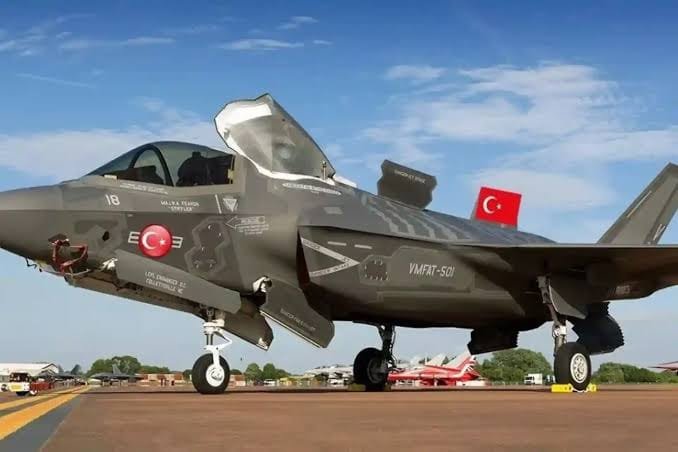
The upcoming Ankara summit will serve as the final test of whether this pressure campaign has gained traction. Trump is known for his penchant for “big deals” and a desire for photographic breakthroughs with leaders who were once his bitter rivals. The prospect of a signature rapprochement with Erdoğan, a leader who has long been the most disruptive element within NATO, is undoubtedly enticing to a White House looking for a landmark foreign policy achievement. If Trump is personally committed to this pivot, Israeli diplomatic pressure may face an uphill battle.
However, Netanyahu’s strategy is sophisticated and designed to raise the political cost of such a breakthrough to prohibitive levels. By turning the F-35 sale and technology transfer into a charged, partisan matter on Capitol Hill, he ensures that any deal will not be a “win” without a bruising fight. Whether he has arrived at the gates of the White House in time to effectively block the deal, or whether the ink on the agreement is already drying in Trump’s mind, remains the defining question of this diplomatic summer.
The concern in Jerusalem goes deeper than hardware. It is about a perceived shift in the U.S. worldview. For years, the strategic calculus was simple: Israel was the indispensable partner. If Washington now pivots to treat Turkey as an equivalent or preferred security partner, it signals a move toward a cold, transactional regional order where loyalty is secondary to convenience. Turkey, under its current regime, has proven time and again that it does not share the long-term goals of the U.S. in the Middle East.
It has actively worked to undermine Israeli interests, whether through the protection of terror leaders or through its maritime claims that threaten Greek and Cypriot sovereignty.
Israel is watching the developments in Ankara with clear eyes. The message sent by Netanyahu is uncompromising: the alliance with Israel is not a bargaining chip to be traded; it is a foundational pillar that, if weakened or undermined, threatens to unravel the entire security architecture of the region. To invite Turkey back into the inner circle without a radical change in its behavior is to reward the very conduct that has destabilized the Mediterranean.
For the Israeli public and the security establishment, the coming days will be a litmus test. It will reveal whether the White House still recognizes the distinct difference between a committed, values-based ally and an opportunistic actor that has spent years working against the interests of the U.S. and its partners. As Trump and Erdoğan meet, the eyes of the world, and specifically the eyes of a watchful Israel, are fixed on the outcome. Israel will continue to defend its qualitative military edge, not because it seeks conflict, but because it recognizes that in this neighborhood, the survival of the state depends on its ability to define who its true friends are and who its persistent adversaries have become. If the U.S. chooses the path of short-term transaction, it will find that the vacuum left by a devalued Israeli partnership cannot be filled by the unreliable promises of Ankara.