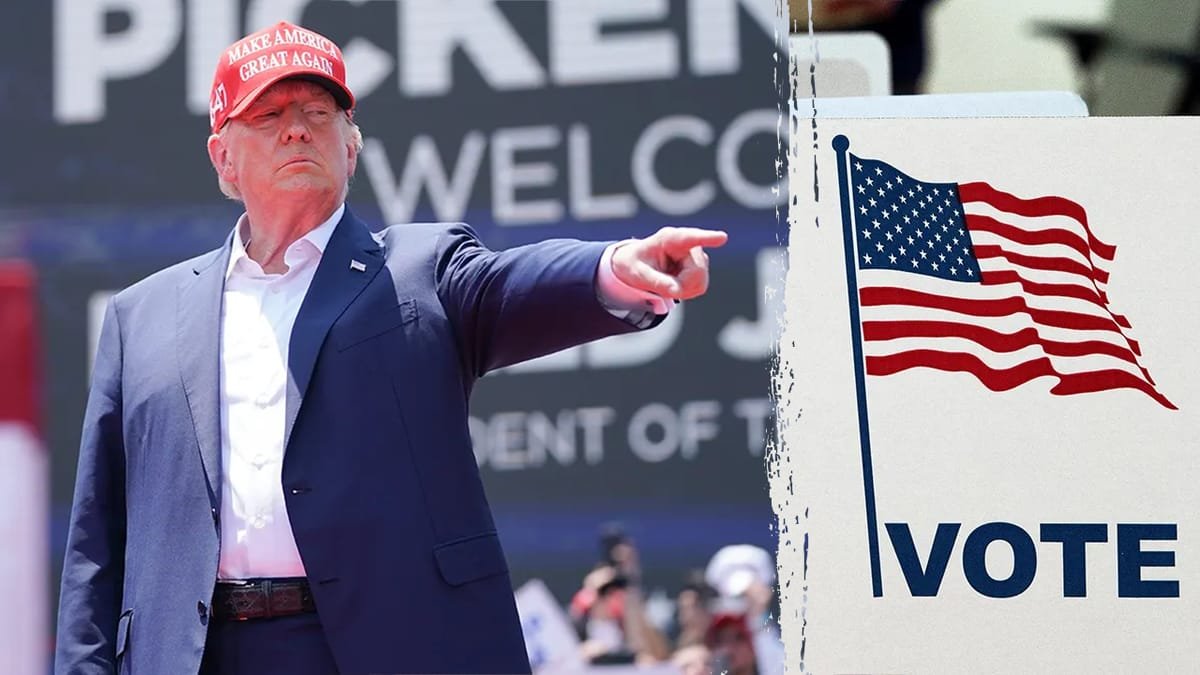
The most terrifying prospect in the current Middle Eastern maelstrom is not that Donald Trump has finally pivoted toward a cold, transactional realism. The true horror is that he has turned Israel’s existential struggle into a prop for his domestic political theater. As the ink dries on the 60-day Memorandum of Understanding (MOU) between Washington and Tehran, Jerusalem finds itself staring into an abyss of ambiguity. We are no longer watching an ally negotiate from a position of strength; we are watching a superpower’s leader treat the Jewish state as an inconvenient variable in his quest to secure a pre-midterm headline.
For years, the narrative was simple: Trump was the architect of the “pro-Israel” shift, the man who moved the embassy, recognized the Golan, and dismantled the original JCPOA. But that era of ideological alignment has been replaced by the brutal math of the 2026 American election cycle. Faced with a base divided by “America First” isolationism and an electorate weary of overseas entanglements, Trump has apparently decided that a “calm” Middle East, regardless of whether that calm is built on the quicksand of Iranian survival, is worth more than the total defeat of an adversary that openly calls for our annihilation.
This is not diplomacy; it is the abandonment of a strategic doctrine. By freezing the battlefield at a moment when Iran’s proxy network was being systematically dismantled, the White House has handed the ayatollahs a lifeline they had no right to expect.
The Illusion of the “Exit Ramp”Let us be clear about what this MOU represents. To the architects in Washington, this is a pause button designed to lower energy prices and stave off chaos before voters head to the polls. To the regime in Tehran, it is a glorious victory. For 60 days, the pressure evaporates. The flow of oil revenue, the lifeblood of the IRGC’s regional terror machine, is effectively laundered through a framework that prizes “stability” over accountability.
Most egregious is the inclusion of Lebanon and the implicit protection of Hezbollah within this US-Iran architecture. We were told that this war would be the definitive end to the Iranian proxy model on our northern border. Instead, we are seeing Hezbollah transformed from a dying terrorist liability into a protected bargaining chip in a grand diplomatic game. Israel fought to degrade an enemy; now, it is being told by its greatest ally to stand down while that enemy is given diplomatic oxygen.
This is where the betrayal bites deepest. When the United States chooses to negotiate the future of our border over our heads, it isn’t acting as a partner; it is acting as an imperial arbiter. If Israel is forced to accept a status quo where Hezbollah remains armed and Iran retains its nuclear infrastructure, all because Washington wants to clear the news cycle before November—then the foundational promise of the US-Israel alliance has been fundamentally altered.
The Vance-Rubio Split: A House Divided
The confusion surrounding this policy is further amplified by the theater being performed by the Trump administration itself. We see a White House bifurcated: Secretary of State Marco Rubio, the institutional hawk, is dispatched to the Gulf to offer soothing words to allies who know exactly how much blood this deal leaves on the floor. Simultaneously, Vice President JD Vance acts as the primary salesman to the MAGA base, framing this retreat not as weakness, but as “realism.”
This is a dangerous game of duplicity. Vance’s rhetoric is aimed at an anti-interventionist right that sees no American interest in the survival of the Jewish state. By positioning the MOU as a triumph of “America First” diplomacy, the administration is signaling to the world that American support for Israel is conditional and temporary. It is a signal that will not be lost on the wolves gathering at our borders. If the American executive branch can pivot from “maximum pressure” to “diplomatic oxygen” overnight to satisfy domestic polls, who is to say they won’t pivot away entirely tomorrow?
The Business of Diplomacy
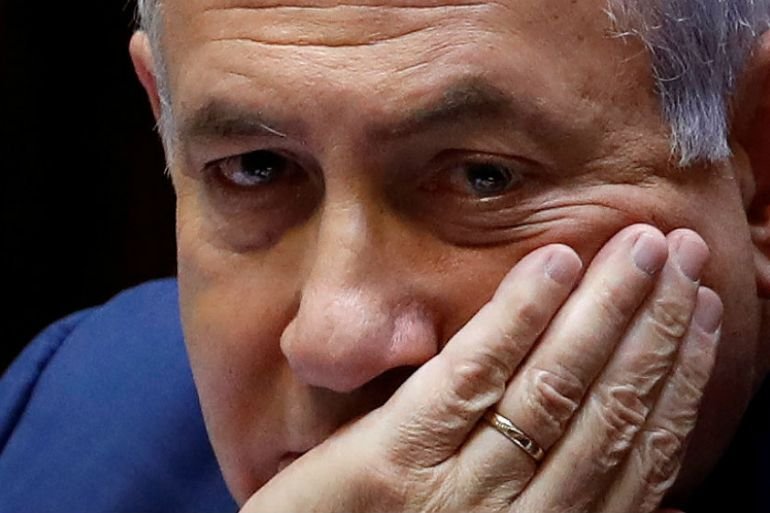
Furthermore, we must address the elephant in the room: the murky confluence of private business interests and public policy. When the diplomatic framework relies on Qatari mediation, and when the administration’s most influential voices have well-documented financial ecosystems that are deeply intertwined with Gulf sovereign wealth, the Israeli public is justified in asking: whose interests are actually being served?
Transparency is not a luxury in wartime; it is a necessity. If frozen Iranian funds are being routed through channels connected to actors who have spent years bankrolling our enemies, the optics aren’t just bad—they are a breach of trust. We are no longer dealing with simple geopolitical calculations; we are looking at a “business map” that threatens to overwrite our security architecture.
A Strategy of “Maybes”
Perhaps the most damning aspect of this situation is that we, as a nation, are forced to guess. Is this a brilliant, five-dimensional trap designed to lull the IRGC into a false sense of security before a catastrophic blow on day 61? Or is this a craven exit strategy born of political cowardice?In the corridors of the Knesset, there are those who urge patience, arguing that “Trump knows what he’s doing.” This is a dereliction of our duty.
A nation that bets its survival on the hope that its ally’s leader is a tactical genius is a nation that has already surrendered its agency. History is littered with the ruins of states that gambled on the consistency of foreign powers.
Israel’s security cannot be a supporting character in an American political drama. If the MOU results in Tehran emerging from this conflict with its oil coffers refilled, its proxy army in Lebanon intact, and its nuclear program merely “paused,” then the strategic failure will be absolute.
We must ask ourselves: what happens when the 60 days are up? If the MOU expires and the world has moved on, if the energy markets are stable and the American election is finished, and we find ourselves facing a regime that is stronger, richer, and more emboldened than before, who will be held accountable?
The era of blind faith in Washington is over. If the United States will not lead the fight against the Iranian cancer, Israel must prepare to do it alone, regardless of the political timetables of men in Washington who prioritize their midterms over our survival. Our history is not a favor granted by a foreign capital; it is a burden we carry ourselves. It is time we acted like it.