
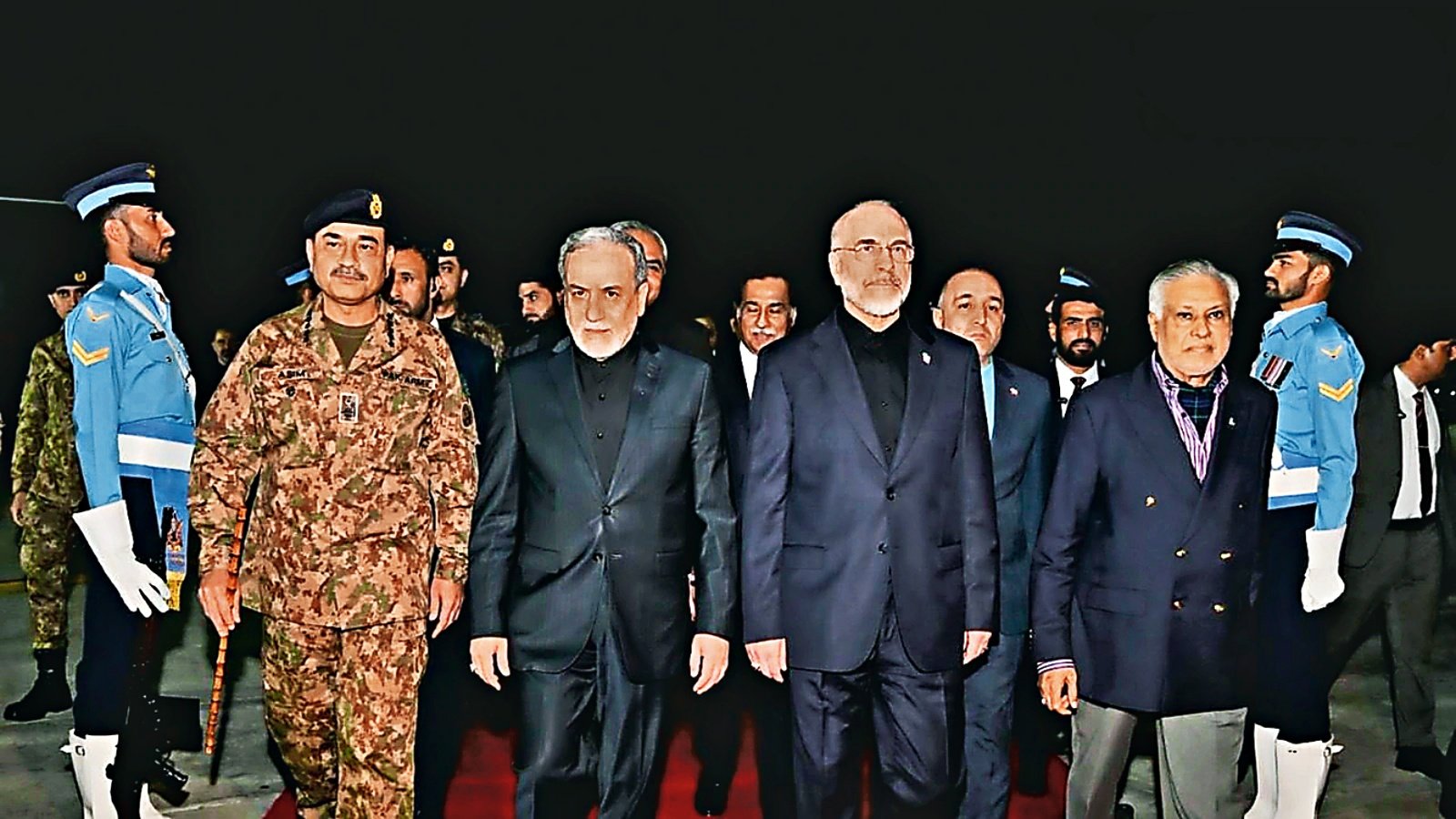
For years, Pakistan occupied a relatively limited role in Middle Eastern diplomacy. It was an important Muslim-majority state, a nuclear power, and a key player in South Asian politics, but it was rarely considered a decisive actor in shaping the strategic future of the Middle East. That reality may now be changing. As Islamabad has positioned itself as a mediator in regional crises and a bridge between competing powers, Israel should pay close attention. Pakistan’s diplomatic rise is not necessarily a threat in itself, but it carries implications that could gradually reshape the regional balance in ways unfavorable to Israeli interests.
The immediate attraction of Pakistan as a mediator is understandable. It maintains relations with a wide range of actors, enjoys credibility in much of the Muslim world, possesses one of the largest militaries in the Islamic world, and has increasingly sought to project itself as a responsible diplomatic stakeholder. For Western powers looking for interlocutors and for regional actors seeking an acceptable intermediary, Pakistan may appear to be a useful option.But for Israel, mediation is not just about dialogue. It is also about power. Every mediator that succeeds earns political power and leverage in setting the terms of the next negotiation.
As Pakistan increases its presence in regional diplomacy, it will have increased power to set the agenda and shape the outcome.That should concern Israel.Unlike Egypt, Jordan, the UAE, or Bahrain, Pakistan does not have any diplomatic relations with Israel. The country is among the largest Muslim countries to oppose the idea of normalization. Islamabad has often justified its stance on the grounds of backing the creation of a Palestinian state. The fact of the matter is that Islamabad goes into regional diplomacy with no prior relations with Israel.
This matters because mediators are rarely neutral in the purest sense. They bring their own strategic assumptions and political preferences to the table. A country that has never formally recognized Israel is unlikely to approach regional security questions from the same perspective as countries that have invested decades in building working relations with Israel.
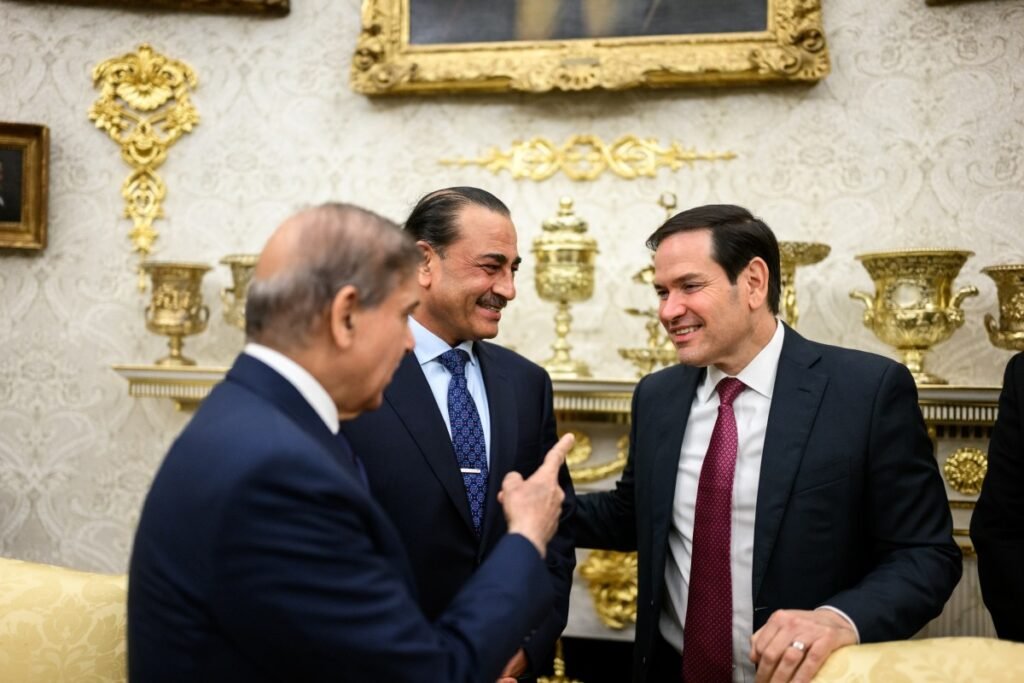
The issue becomes even more significant when viewed through the lens of power.
Pakistan cannot be compared to Qatar. This is not a small country with great diplomatic capabilities that uses money as its strength. It is a nuclear-weapon state with a population of more than 240 million and one of the biggest standing armies in the world. It has an extensive missile program, intelligence structure, and a strategic location connecting South Asia, Central Asia, and the Middle East.
Historically, Pakistan’s military strength was largely focused on India. However, diplomacy can add weight to military importance. When military capabilities are combined with diplomatic clout, the country turns into much more than merely an influential regional power; it turns into a force of geopolitics.For Israel, this raises an important question: What happens if Pakistan successfully translates diplomatic prestige into political leadership across parts of the Muslim world?Islamabad has always been a proponent of Palestinian issues within international forums. Pakistani politics and its armed forces have always been very vocal about their disapproval of Israeli policy. In this regard, a stronger Pakistan through mediation could turn out to be an even more formidable force against Israel in the international arena.
There is also the Iranian dimension. There have been occasions when there have been problems between Iran and Pakistan in the past, but geography and religious ideology is such that both nations need each other for maintaining relations between them. With Pakistan playing the part of a mediator for a peace agreement between the United States, Israel has to confront yet another problem as the influence of Pakistan can push Israel towards dealing with Iran rather than pressurizing it.
Equally important is the symbolic dimension of Pakistan’s rise.
The emergence of Islamabad as a respected diplomatic broker would strengthen its claim to leadership within the broader Islamic world. Such a development would not automatically create an anti-Israel bloc, but it could contribute to a regional environment in which voices critical of Israeli security policies gain greater legitimacy and influence.
Perhaps some Israeli experts would consider such worries as purely hypothetical. This is true since mediation is better than conflict in general. However, it should be remembered that diplomacy is never apolitical. States do not engage in mediation out of pure goodwill; states use diplomacy because it increases their prestige, influence, and gains.Israel should therefore view Pakistan’s diplomatic activism with a clear understanding of the broader strategic picture. The issue is not whether Pakistan can help facilitate talks. The issue is what kind of regional order emerges if Islamabad succeeds in establishing itself as a central diplomatic actor.
A Pakistan that becomes a recognized power broker would possess not only military weight and nuclear deterrence but also political influence across some of the most important geopolitical arenas affecting Israel. That combination could gradually shift regional dynamics in ways that reduce Israel’s diplomatic maneuverability and strengthen actors less sympathetic to its security concerns.
Diplomacy, after all, is not merely about ending wars. It is also about deciding who gets to shape the peace that follows. Pakistan’s emergence as a mediator is therefore not a neutral development from Israel’s perspective.
Backed by growing strategic ties with Saudi Arabia, deep partnerships with Qatar and Turkey, and increasing credibility in Washington, Beijing, and across the Muslim world, Islamabad is positioning itself as a new center of regional diplomacy. The danger for Israel is not Pakistan’s mediation alone, but the possibility that a rising Pakistan helps shape a regional order more sympathetic to Iran, more critical of Israeli policies, and less receptive to Israel’s security concerns.
Israel must ensure mediation role is not also empowering new power brokers whose long-term vision for the Middle East may diverge sharply from its own.