

A real estate fair in New York would normally be of limited interest to Israelis. But when that fair is used to sell Jerusalem apartments to American Jews amid open references to antisemitism and insecurity in the United States, it becomes more than a property exhibition. It becomes a window into how external fears are increasingly shaping internal Israeli economic realities, particularly in housing, one of the country’s most politically sensitive sectors.
The Jerusalem housing fair in Manhattan, attended by Israeli officials, developers, and municipal representatives, was presented as an opportunity to reduce an estimated surplus of thousands of unsold apartments in Jerusalem. But the messaging that accompanied it was striking. Marketing strategies leaned on a single theme: rising antisemitism abroad and the perception that Israel offers a “safer” long-term fallback for Diaspora Jews.
Investment in Israeli property by foreign Jews, specifically from the US and France, has been an important factor for many years now. But there is something that is happening now that is different from the usual pattern. The reason why people are buying property is not because they are looking at it as investment, leisure, or heritage, but because they see it as a safeguard to Western life.
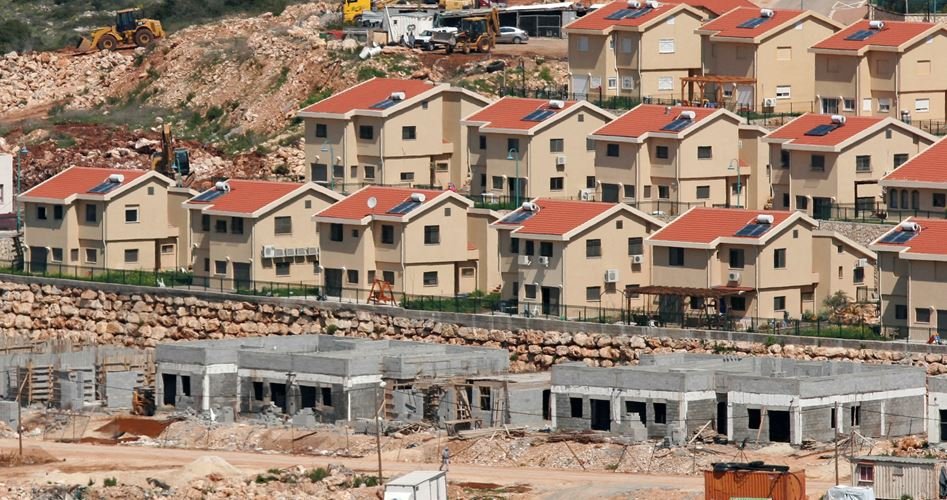
It represents a new non-market factor in an already very difficult sector in Israel. The Israeli property market has always experienced scarcity, excessive costs, and disparities. Jerusalem is a good example of such tension, where expensive properties are constructed to satisfy foreigners while the majority of locals cannot afford them. As seen from the trends in construction over the last few years according to the Central Bureau of Statistics, more developments have been put up, but still affordability has not been addressed effectively.
When Diaspora-driven demand enters this environment under the influence of fear rather than purely economic calculation, it risks distorting pricing signals further. Developers at the New York fair openly acknowledged that periods of heightened antisemitic visibility in Western countries tend to correlate with increased inquiries and sales interest.
In economic terms, insecurity abroad is being partially internalized into Israeli housing demand cycles.On a larger scale, however, this creates an odd situation. As Israel’s real estate market is already struggling due to population growth, planning constraints, and bureaucratic delays, it suddenly finds itself indirectly affected by the social and political situations. Increased cases of antisemitism in places like New York, London, or Paris do not just impact Jews living there but may also impact prices, demands, and developments in places like Jerusalem.
This may not be particularly new, but what is new is the magnitude and specificity of the issue. The terminology deployed at such events is shifting from seeing Israeli ownership as a cultural link, to viewing such ownership as an “insurance policy.” This shift entails more than mere market strategy. In effect, the nature of the relationship between Israel and the Diaspora community moves from mutual identity and partnership, to risk management.
This presents a strategic challenge for Israel. The robustness of the Israel-Diaspora connection has traditionally depended on a sense of solidarity, common identity, and political alliance. If that bond begins to be characterized primarily by the notion of insecurity overseas, then the dynamic will shift from one of reciprocity to that of exchange. It does not reduce the relationship; it just alters its character.The Israeli policy question, therefore, is not whether to welcome Diaspora investment, it is how to ensure that such investment does not unintentionally deepen domestic inequality or distort urban planning priorities. Real estate policy cannot be separated from broader questions of national resilience.
On the other hand, one should not overlook the fundamental explanation as to why Diaspora Jews are focusing on Israel in a manner that they never did before. There is plenty of evidence from Jewish organizations and law enforcement agencies concerning the heightened need for security in synagogues, schools, and other community-based institutions in America since the increase in antisemitic attacks started in 2023.As the homeland of the Jews, Israel will always be a party to this discussion. Yet, it must be cautious about the manner it behaves in this context. If it views itself as nothing but a haven for Jews escaping global antisemitism and not as a sovereign nation with its own logic and reasoning, it may become hostage to outside fears.The housing exhibition for Jerusalem in New York is thus not simply a matter of marketing.
What is being drawn into focus is a convergence of Diasporic insecurity with Israeli realities, especially housing-related issues, that will need to be carefully navigated going forward. That will demand policy deliberations beyond real estate considerations, as well as the durable nature of Israel-Diaspora relations amid an ever more volatile world order.