By Eitan Levi
The US midterm elections have really shaken up the political scene, making the ongoing standoff with Iran way more tangled. Democrats grabbed control of Congress, and that happened thanks to a campaign shaped by frustration over the economic blowback from the conflict. Still, military decisions, especially anything major, stay firmly in the hands of President Donald Trump in the White House. Over in Jerusalem, Prime Minister Benjamin Netanyahu is still running a caretaker government after an election that left the right wing bloc stuck at 53 seats, not enough for a decisive win. And in Tehran, leaders look at Washington’s political upheaval and see proof that domestic opposition is building at home for their main rivals.
At the heart of all this tension, there is no easy answer. Decision makers are stuck picking from a messy lineup of imperfect choices, just like Dr. Raz Zimmt from Israel’s Institute for National Security Studies points out: go all in with a wide scale military attack, keep up the maximum pressure approach, pursue some kind of negotiated deal, or try pinpointed strikes. Every route comes with its own risks and headaches, making it tough for both Israel and the US to find a clear direction.
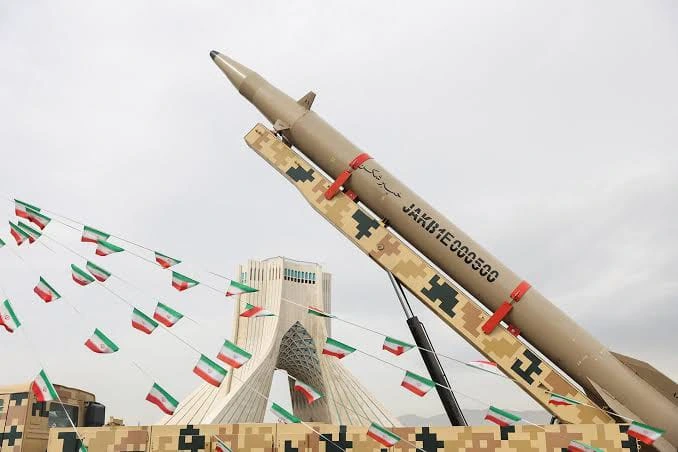
Launching a big military campaign sounds dramatic, but it has got some serious limits. Sure, conventional air power can hit targets like surface bases, command centers, and supply lines. The real problem? Iran’s most critical facilities are not out in the open. Places like Pickaxe Mountain near Natanz have their key infrastructure buried deep under solid granite. Even bunker busting bombs have a hard time cleaning out installations built right into the rocks.
And even if you do manage to flatten those physical targets, the bigger challenge remains, airstrikes cannot wipe out the knowledge and skills behind a nuclear program. Scientists, engineers, blueprints for advanced centrifuges, all that survives. There is also the issue of enriched uranium. The IAEA has put Iran’s stockpile of 60 percent enriched uranium at over 440 kilograms, which blows past what is needed for any civilian energy use. Truly neutralizing these underground sites would mean risky ground operations, something that just is not likely given the current political and strategic climate.
On the flip side, sticking with economic sanctions and trying to choke off maritime routes does not guarantee you will get any real diplomatic wins. Just look at what is happening in the Strait of Hormuz, oil tankers hit by mines, Iranian forces stopping commercial ships, with the whole area always on the brink of boiling over. Iran can still muck up global shipping and energy markets, putting real costs on partner countries despite heavy sanctions.
Iran’s government is definitely feeling the squeeze, crippling sanctions, skyrocketing inflation, protests, but do not expect a quick collapse or a sudden change in policy. It is risky to assume that just keeping up economic isolation will force their hand. The regime’s built to handle tough times and seems ready to bear the pain if it means holding onto its strategic edge.
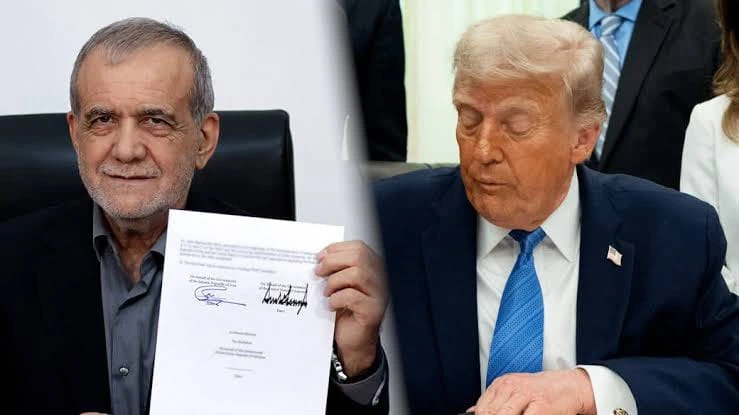
Diplomacy is not much easier. Regional mediators like Qatar have tried to set up talks around issues like maritime blockades and sanctions relief, but the big disagreements have not gone away. Iran wants naval blockades lifted and sanctions gone before they will consider changing their behavior. Meanwhile, the US and Israel want concrete proof of limits on nuclear activity, missile development, and support for regional proxies, demands that Iran’s leaders are not likely to meet.
For Israel, the real worry is Iran’s nuclear ambitions and how it positions itself in the region. Whether Netanyahu is still in charge or someone like Gadi Eisenkot takes over, Israel’s basic security concerns do not change much. The leadership might shift their diplomatic tone or tweak their strategy, but the core fear about Iran’s nuclear threat stays put. Tactical military strikes might delay Iran’s progress, but lasting security needs both physical action and a big picture diplomatic solution for the whole region.
The takeaway after the elections? Neither going it alone with military power nor waiting passively for containment is enough for a clear result. Limited strikes can trigger a cycle of retaliation that drags on, while relying solely on negotiation risks leaving Iran’s nuclear program untouched.
With Washington’s power landscape still shifting and coalition talks dragging their feet in Jerusalem, Israeli strategy needs to stay realistic. The best move? Line up day to day operations with the bigger national security picture, making sure quick fixes do not turn into long term problems. It is about staying practical, focused, and ready for whatever comes next.
About the Author
Eitan Levi is a Security and Geopolitical Analyst with expertise in Israeli defence strategy, Iran’s regional operations, Middle Eastern power rivalries, and Israel’s security partnerships.