By Eitan Levi
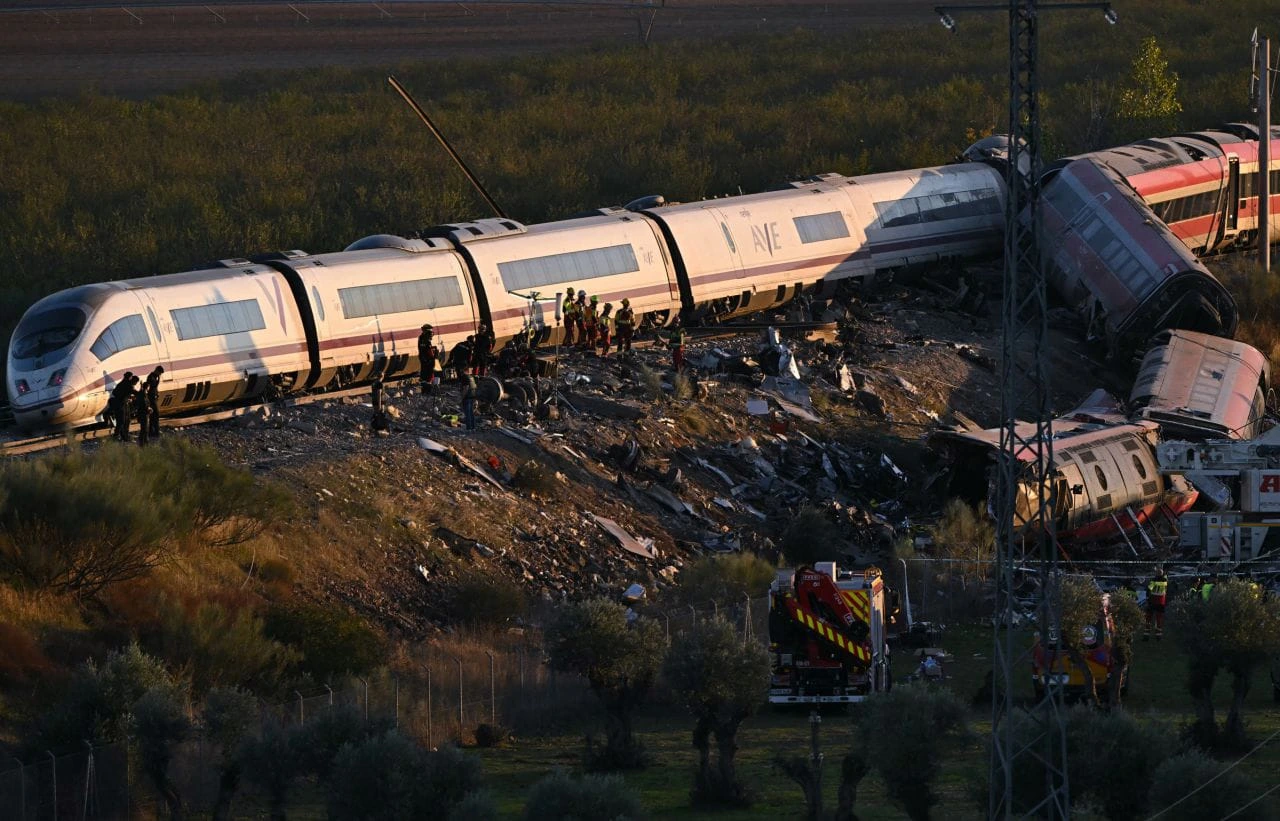
The high speed train crash near Urda in Toledo, Spain, on October 28, 2026 killed 69 people. It left a shaken Spanish public demanding answers about what went wrong, was it mechanical failure, signal outage, or human error? Instead of clarity, Spain’s national broadcaster RTVE plunged everyone into conspiracy territory. On live TV, guest commentator José Miguel Villarroya hinted Israel had something to do with the disaster. He claimed a French railway safety company was tied to Israeli capital and cited supposed threats by Prime Minister Benjamin Netanyahu against Spain, turning a tragedy into an opportunity for wild accusations.
Spanish fact checkers at Maldita.Es wasted no time and traced these rumors straight to pro Kremlin disinformation networks. The claim didn’t hold water, and honestly, the whole episode revealed something much deeper than a single mistake. It showed how institutional bias against Israel has seeped into public media outlets in Europe, allowing antisemitic scapegoating to flourish during moments of national pain.
RTVE’s coverage wasn’t just sloppy, it failed the basic standards of journalism. When you invite a conspiracy theorist like Villarroya and let him spin baseless theories under the cover of an “analytical debate,” you’re not doing real reporting. Sure, presenter Jesús Cintora challenged him a bit, but when you give airtime to these claims, you risk turning conspiracies into accepted political talking points.
The contradiction inside RTVE was glaring. Its own fact checking department later released a thorough debunking of the idea that Netanyahu threatened Spanish infrastructure, but meanwhile, its news programs let the unproven allegations reach countless homes. This kind of double talk feeds confusion and mistrust.
To really understand the broadcast, you have to look at Spain’s political climate. Prime Minister Pedro Sánchez was struggling, with domestic gridlock, financial shortfalls, and early elections looming on November 29, 2026. Leaning into international politics, especially showing hostility toward Israel, became a way to rally his base. So, public broadcasters felt emboldened to showcase hostile rhetoric and even far fetched conspiracies without much pushback.
What happened on RTVE fits a disturbing historical pattern. European history is littered with moments when Jews were blamed for disasters, think of medieval accusations during the Black Death or scapegoating in the 20th century. Pinning complex tragedies on Jewish malice has long been a way for authorities to dodge responsibility.
Nowadays, that instinct pops up in accusations that Israeli influence is behind domestic failures, like train crashes. Villarroya pushing bizarre claims, like doubting Israelis’ authenticity or tying Zionism to strange historical movements, wasn’t new for RTVE, but nobody intervened until things got blatantly ridiculous.
This trend isn’t just bad for Israel’s reputation. When a publicly funded news outlet lets prejudice guide their content, public trust crumbles. If a broadcaster can seriously suggest a foreign power was behind a train mishap, with zero evidence, how can viewers trust anything else? People start buying into whatever fits their own bias.
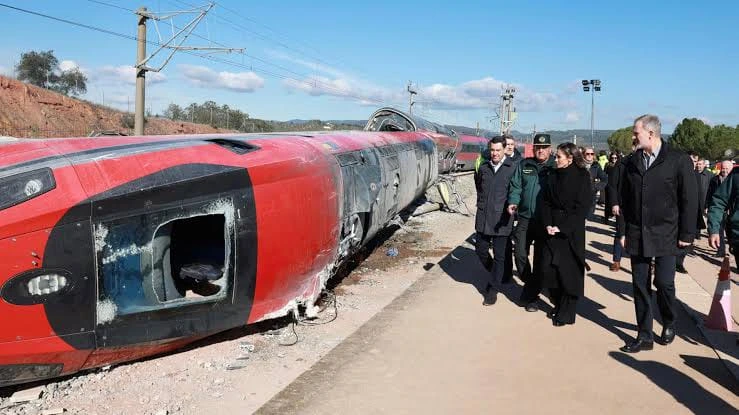
Using a tragedy that killed 69 people for ideological attacks is downright disrespectful. The families of the victims, and the public, deserve thorough investigations into safety protocols, regulations, and emergency responses. Swapping real inquiry for finger pointing robs citizens of accountability.
For Israel, this whole debacle is a stark reminder of the climate its diplomats deal with across parts of Western Europe. Watchdog groups like CAMERA continue to call out media bias, but seeing conspiracy theories normalized on public TV is a challenge that can’t just be brushed aside.
Media outlets have a basic function in democracy, to report facts, not fuel obsessions. They need relentless oversight, public exposure of missteps, and strong demands for journalistic integrity if people want to restore trust. Without this, the line between news and fantasy blurs, leaving everyone worse off.
About the Author
Eitan Levi is a Security and Geopolitical Analyst with expertise in Israeli defence strategy, Iran’s regional operations, Middle Eastern power rivalries, and Israel’s security partnerships.