
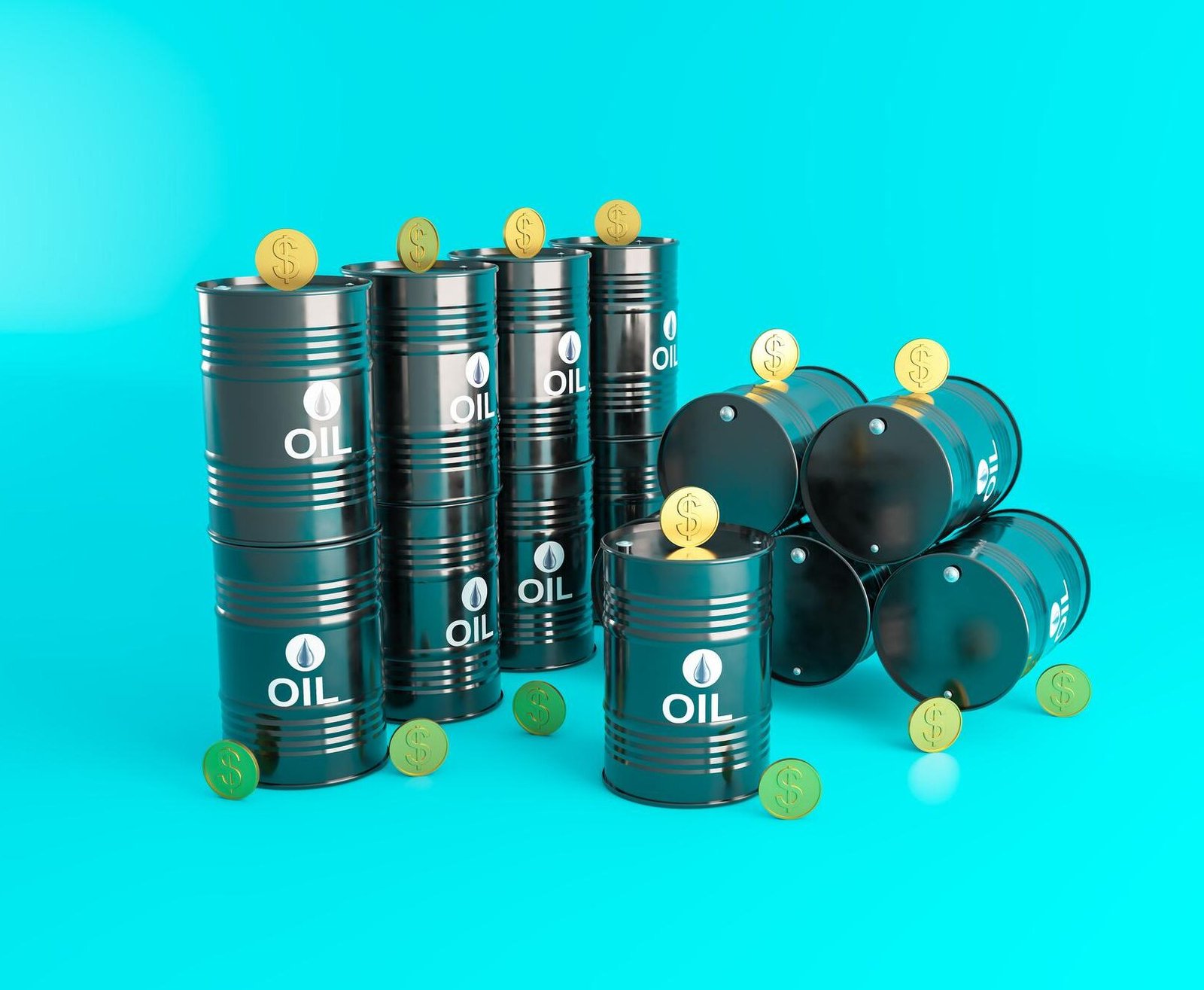
Global oil prices have recently experienced noticeable fluctuations due to geopolitical tensions in the Middle East and changing economic conditions worldwide. Energy markets are closely monitoring developments as supply concerns and political uncertainty influence pricing trends.
Rising Energy Demand
The global demand for energy continues to increase as economies recover and industrial production expands. Countries with growing populations and expanding industries require larger quantities of oil to power transportation, manufacturing, and electricity generation.
This demand places pressure on oil-producing nations to maintain stable production levels while balancing global market needs.
Impact of Geopolitical Tensions
Political tensions in key oil-producing regions can significantly impact supply chains. Even the possibility of disruptions in oil production or transportation routes can influence market prices.
Traders and investors closely follow political developments in the Middle East because the region produces a large portion of the world’s oil supply.
Economic Effects
Higher oil prices often lead to increased transportation and manufacturing costs. Businesses may face rising operational expenses, which can eventually affect the price of goods and services.
Consumers may also notice higher fuel prices, affecting household budgets and travel costs.
Renewable Energy Competition
The rising cost of oil is also accelerating the transition toward renewable energy sources. Governments and corporations are investing heavily in solar, wind, and other sustainable energy technologies to reduce dependence on fossil fuels.