By Eitan Levi
For thirty years, Prime Minister Benjamin Netanyahu kept the idea of “peace” alive in his speeches and slogans. Back in 1996, his campaign signs said, “Netanyahu, Peace and Security.” A few years later, he tweaked it to “A Secure Peace.” Even as recently as September 2023, just weeks before Hamas broke through the Gaza fence on October 7, Netanyahu stood at the UN General Assembly and said “peace” 42 times, laying out some grand plan for regional cooperation and eventual coexistence.
Fast forward a year to the 2024 UN General Assembly, and that number had been cut in half. By 2025, it was down to just 13. Then, in his most recent address in September 2026, Netanyahu only mentioned “peace” once.
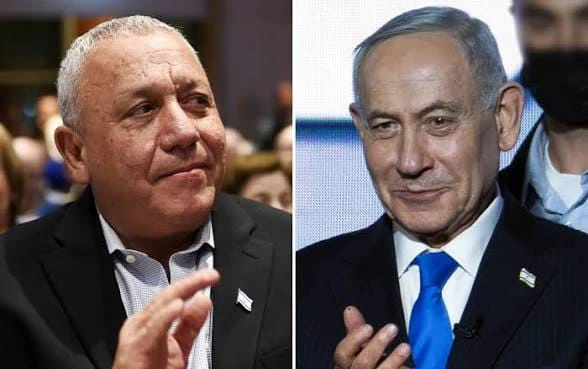
This is not just some odd habit of the Prime Minister. What is happening here is a sign of something much bigger, the total collapse of “peace” as a real idea in Israel’s public conversation. With the country getting ready for the October 27 national election, and polls showing Netanyahu’s Likud and Gadi Eisenkot’s Yashar party basically tied, you do not hear the word “peace” anywhere in the national debate.
Take Naftali Bennett. He brags openly that he will never allow a Palestinian state. Eisenkot, once the Chief of Staff and now the opposition leader, called the post October 7 talk of a two state solution “delusional.” Even Yair Golan, the head of the Democrats, the political heirs to the Labor Party that once brokered the Oslo Accords, avoids the word altogether. Instead, he drones on about “tactical containment” and “defensive perimeters,” all in this sanitized, technical language.
Why the sudden shift? It is not a mystery. The events of October 7 blew up almost every basic assumption that had been holding Israeli security together. For years, Israel’s defense doctrine revolved around the belief that holding physical territory was less important than it used to be. The idea was, Israel could pull back behind advanced sensors and secure fences, use high tech weaponry and intelligence to handle threats from afar, and rely on operational superiority.
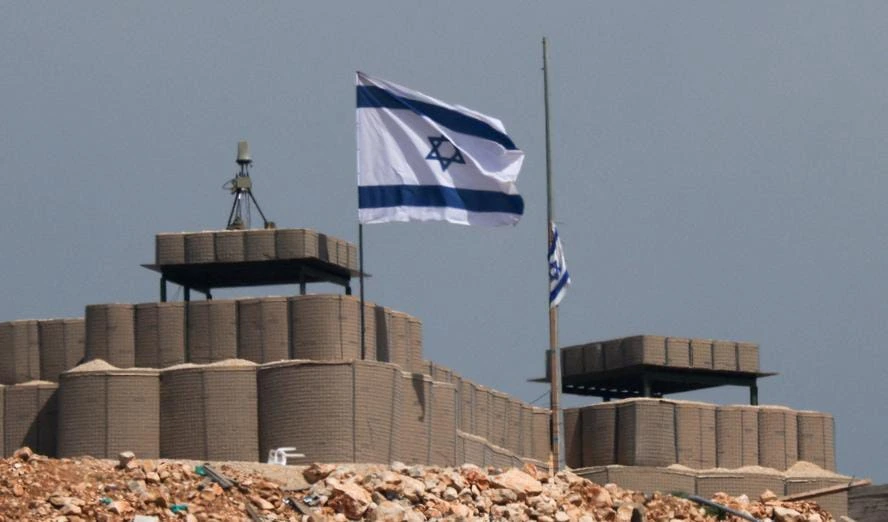
Then came October 7. Over 1,200 people killed, hundreds more kidnapped, and suddenly Israel was fighting a war on multiple fronts. That entire doctrine collapsed. Now, holding territory, creating buffer zones, and maintaining boots on the ground control are seen by the military as non negotiable. From the Philadelphi Corridor down in Gaza, to the perimeters in southern Lebanon and Syria, the IDF’s marching orders are simple: take absolute control of any geographic threat nearby.
But there is a trap here. Military necessities are not a substitute for long term strategy. Buffer zones, overwhelming firepower, all the tools of tactical control, these are means, not ends. If Israel’s leaders erase “peace” from the national vocabulary, they risk locking themselves into the exact scenario Iran and its allies want: endless, grinding war.
That is not speculation, that was the whole plan behind the October 7 attacks, masterminded by Yahya Sinwar and his handlers in Tehran. They were not just out to cause short term pain; they wanted to kill the chance of regional normalization, crush the possibility of a political break between Israelis and Palestinians, and trap Israel in never ending conflict. When Israeli politicians give up on finding or even talking about a real settlement, they play right into the hands of the people who think that permanent war is the natural state of the Middle East.
Military wins, no matter how dramatic, cannot last unless they are turned into something permanent through politics. The IDF has spent three years wiping out terrorist networks, taking out key leaders, blowing up weapons stockpiles up and down the borders. But with no political plan, any vacuum gets filled again. Hamas works to rise from the ashes in northern Gaza. Hezbollah keeps trying to rebuild north of the Litani. Iran looks for every crack along Israel’s borders to slip through.
You can destroy your enemies today, but if you want to secure tomorrow, you need statecraft. No country can simply defend itself forever, you have to aim beyond that, toward a real political goal.
So, reviving serious talk about peace does not mean going back to the naive, rose colored thinking of the 1990s. Oslo failed, let us face it, because it did not include real enforcement for security, was too trusting of corrupt local powers, and pretended that radical movements dedicated to Israel’s destruction could negotiate in good faith. Whatever peace looks like after October 7, it cannot be built on handshakes or empty promises.
If Israel is going to try again, it needs a new doctrine of peace rooted in strength and caution: total and easily verified demilitarization of territories that threaten Israel, strict international supervision that makes it impossible to rearm, and a real, unbending rejection of incitement by any state actors. Maybe above all, this approach would insist that Palestinian leadership has to change, any future deal depends on a total, unmistakable rejection of terrorism.
Meanwhile, the question Israeli leaders have dodged for decades only grows sharper: does Israel want to eventually separate itself, for good, from the millions of Palestinians living in the West Bank and Gaza, or is it resigned to ruling them, somehow, forever? Not answering that question gives the upper hand back to the people who benefit from endless conflict. Regional integration, the Abraham Accords, possible normalization with Saudi Arabia, these things could help isolate Iran. But regional alliances will not mean anything if Israel cannot sort out its own strategy for its closest neighbors.
Words matter. If a country stops saying a word, it gradually loses the ability to imagine what that word represents. If “peace” disappears from the Knesset, anyone daring to propose a real solution will just get written off as a dreamer.
Israelis are about to vote on October 27. Their choice should not be just about who manages day to day security better or who has the slicker media campaign. Settling for “managing the conflict” is not strategy, it is a sign of weariness. Tactical deterrence buys time, sure, but time is only worth something if you invest it in building a real future, one where security is guaranteed by strength, and by a vision that reaches beyond the next skirmish. Israel’s leaders need to lift their eyes and commit to a destination, not just a defense. If they do not, someone else will choose it for them, and odds are, it will not be what they want.
About the Author
Eitan Levi is a Security and Geopolitical Analyst with expertise in Israeli defence strategy, Iran’s regional operations, Middle Eastern power rivalries, and Israel’s security partnerships.