
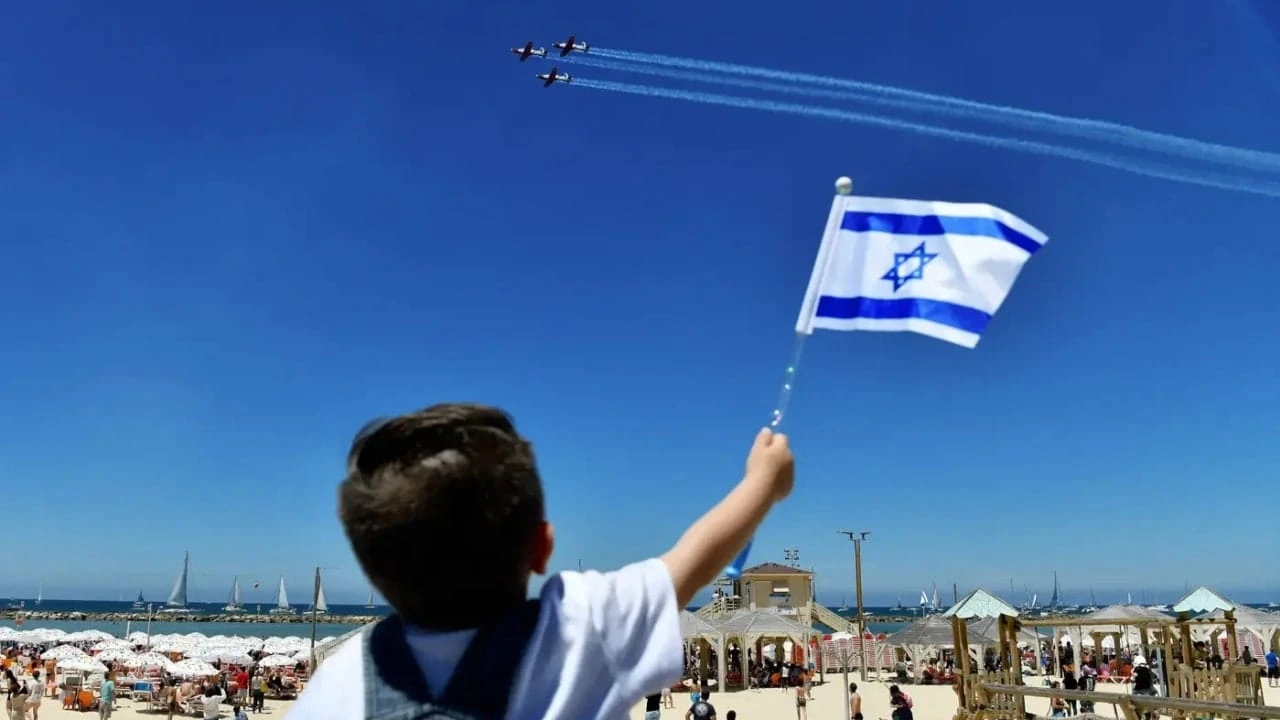
There is a stubborn, deeply mistaken storyline driving most international coverage about Israelis as they head into their next national election. If you flip open a Western newspaper or tune into cable news, you will hear the same refrain over and over: Israelis are broken. The country, the analysts say, is frozen by trauma and worn down by three relentless years of existential crisis. From plush offices in London or New York, foreign experts offer up their sympathy, but always with an air of patronizing superiority. They have convinced themselves that, three years after the October 7 massacre, Israelis are too emotionally battered to set any sensible policy on their own. They act as if the country needs outsiders to take over, to swoop in with “solutions” for its own good.
That viewpoint misses Israel’s reality by a mile. The people of Israel are not defeated, drained, or lost in despair. If anything, they are more fiercely patriotic, motivated, and resilient than ever. The strongest feeling pulsing through the country right now is not hopelessness; it is anger. A sharp, directed anger, not the kind that leaves you stuck, but one that fuels action and shapes how Israel deals with its own leaders, its mistakes, and the world’s endless demands.
Inside Israel, this anger drives something healthy and, honestly, pretty remarkable. It has sparked a wave of democratic reckoning. No one is deluding themselves about what led to October 7. People remember exactly who failed them. They are holding their government, their generals, their entire leadership class to unprecedented levels of scrutiny. Those passionate, sometimes heated debates in the streets and on television are not a sign of collapse; they are proof that Israelis are determined to hold everyone accountable, top to bottom, and change what needs changing.
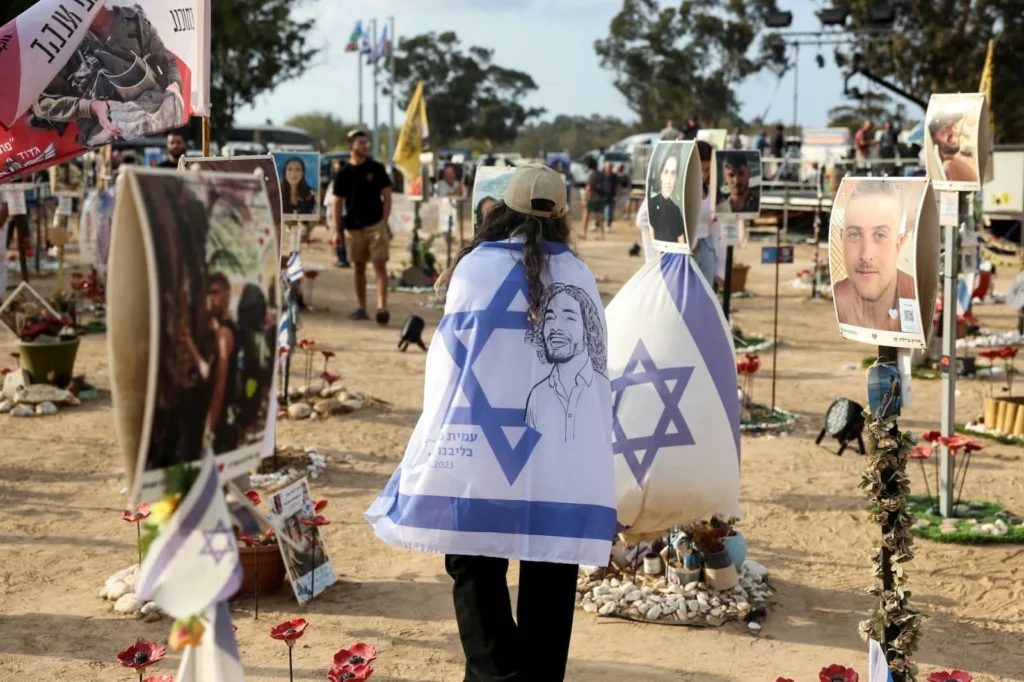
Instead of tearing the country apart, all this tension is actually infusing Israel’s public sphere with energy. We are seeing new leaders step up, people who left their regular lives to serve as reservists and volunteers, who filled the voids when the old guard failed. They organized shelters, protected vulnerable towns, and reassured families forced from their homes. Now, those same doers are challenging the old politics, injecting a kind of grounded, no nonsense patriotism that does not settle for the failed half measures or hollow promises of the past.
And when Israelis look outward, that righteous anger finds a different target: Western hypocrisy and hostility. Since the war erupted, international agencies and foreign governments have, bit by bit, abandoned Israel. The country’s faced embargoes, nasty “investigations,” and one sided UN resolutions. Israel gets hit with outlandish war crimes accusations, while fighting off Iranian proxies on every front. On top of all that, antisemitic tropes have crept back into mainstream European and American conversation, just wrapped up in the language of anti Zionism.
The condescending tone of outside governments really reveals itself in the constant calls for an immediate, unconditional Palestinian state. Foreign diplomats act as if grieving Israelis cannot see straight, like someone needs to talk them down and gently nudge them toward the obvious “right choice.” Politicians like Andy Burnham or Pedro Sánchez address Israel as if talking to confused children, pretending that only sophisticated outsiders know what is best.
But this paternalism ignores decades of lived reality. Israelis are not walking around in a daze. They remember exactly what happened after the 2005 Gaza withdrawal. That land was not transformed into a peaceful neighbor; it became a heavily armed terror base. That choice led directly to the horrors of October 7. Demanding that Israelis repeat that same experiment in the West Bank, right next to the country’s economic and population core, is not a path towards peace. It is a clear and present threat to Israel’s very existence.
Now, after all that, Israeli society has drawn conclusions, and they do not match what is being preached in Paris or Washington. Real, lasting security cannot come from vague international promises or signatures on pieces of paper if the other side has not changed. Lasting peace only becomes possible the day jihadist forces standing at Israel’s borders are fully and decisively defeated, and after Palestinian society undergoes a real, deep deradicalization. Pushing for a Palestinian state, while the groundwork for lasting peace remains absent, does not end the cycle of violence. It guarantees more of it.
Outside attempts, such as boycotts, sanctions, and diplomatic lectures, are not going to force Israel’s hand. Israelis know that while international approval has value, survival comes first. The old playbook is gone. Israel will not go back to biting its tongue or absorbing rockets just to keep some diplomats comfortable. The next government, whoever leads it, will stick to a strategy of taking threats seriously, meeting them head on, wherever they emerge.
You can see it in the actions of Israeli pilots flying missions across the region, acting without hesitation. The country is not confused or broken. It is united in its resolve to secure its borders, protect its people, and rebuild what was lost, stronger and smarter than before.
In the end, if there is a lesson here for Western leaders and pundits, it is this: check your arrogance. Israelis do not need advice from capitals a continent away, safe from the mess and the danger. Israel’s earned the right to decide its path forward, on its own terms, given its own hard earned experience. The country will keep defending itself, hunting down its enemies, and speaking and acting with the dignity that comes from true sovereignty.