
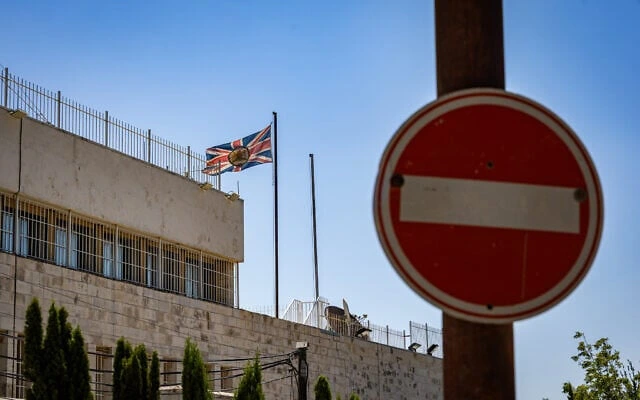
Foreign policy is not about hoping things work out, it is about having leverage, a clear stance, and knowing where to draw the lines. For years, European governments seemed to act like they could hit Israel with penalties, curb economic ties, and lay down security demands, all while enjoying total access in Jerusalem. That double standard only worked because Israel let it slide. Now, things are changing.
Foreign Minister Gideon Sa’ar made a tough call when he announced new measures against London. At the center of it all: closing the nearly 200 year old British consulate in Sheikh Jarrah. The deadline finally hit, and Israel has to stick to its guns. There is no room for second thoughts, either you enforce the closure or you lose all credibility.
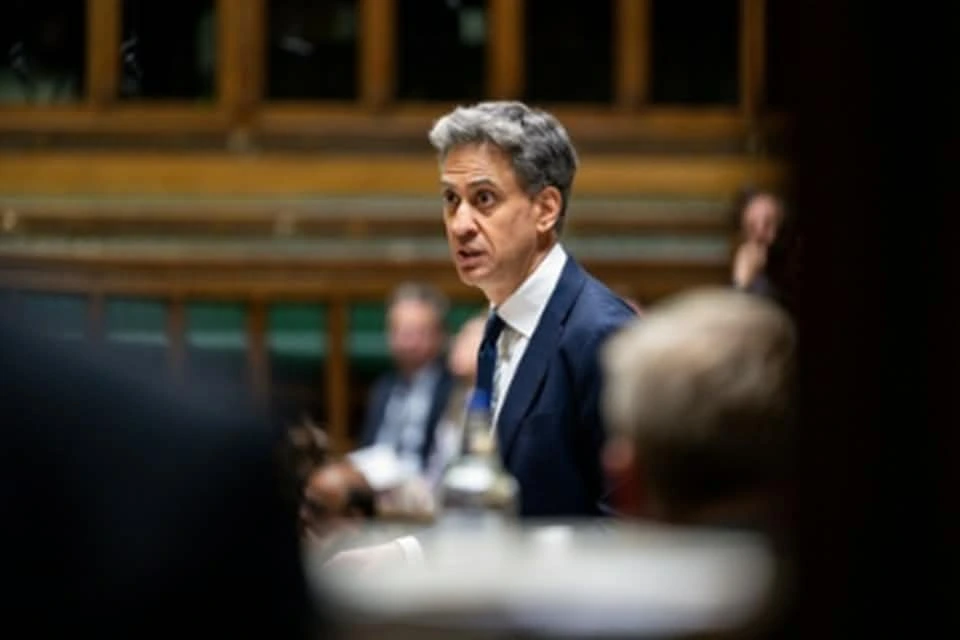
This diplomatic fallout is not just about a spat between friendly nations. It is rooted in some pretty aggressive moves from the UK. On September 8, Foreign Secretary Ed Miliband slapped on trade sanctions targeting Jewish communities outside the Green Line. The sanctions hit everything, trade, finance, services, in places like the West Bank, Golan Heights, and east Jerusalem. Soon after, at the Labour Party conference, Miliband was not exactly doing damage control. He echoed activists who had been organizing intimidating anti Israel protests in the streets, saying, “We hear you, you were right.” He spun up harsh claims against Israel’s West Bank policies and called for economic boycotts meant to hurt Israel’s economy. The message was clear: these were not casual disagreements, they were coordinated efforts to undermine Israel’s sovereignty.
It is pretty simple: when outsiders try to dictate the fate of vulnerable borders while ignoring actual threats in the region, Israel cannot just issue stern statements and hope for the best. Diplomatic access is not some guaranteed right; it is a privilege. The British consulate in Sheikh Jarrah has pretty much operated as an independent outpost for the Palestinian Authority and local residents, without even being accredited by Israel. Letting them keep operating while the UK levels sanctions against Israeli citizens is just letting yourself get pushed around.
Sa’ar took action. Besides shutting down the consulate, Israel barred key British officials tied to anti Israel campaigns, pulled British staff from their role in the Gaza aid coordination center in Kiryat Gat, and cut off UK support for training Palestinian Authority forces in Ramallah. These steps directly target London’s ability to exert influence in the region.
Of course, the British fired warnings right back. Word from London is they will retaliate by expelling an Israeli diplomat every time a British post gets shut down in Jerusalem. Prime Minister Andy Burnham and his cabinet seem to think Israel will blink first when faced with escalating diplomatic tension.
But honestly, the answer is pretty obvious: stick to the plan and let them do what they want. Diplomacy cuts both ways. Israeli diplomats in London build partnerships that matter, but both sides win from these relationships, especially when it comes to security, counter terrorism, and intelligence sharing. If the UK throws away those assets just to score political points, then they are taking risks that affect their own people too. Israel should not play the role of junior partner, especially when core security interests are on the line.
Look back at what happened with France in 2025. When France recognized a fictitious Palestinian state, Israel threatened to close the French consulate in Jerusalem, but never followed through. Nothing changed. That hesitation only convinced Europeans Israel did not mean what it said. If you draw a red line and walk it back, you are inviting even more pressure. The only way to build credibility is to enforce your boundaries and make it clear you do not back down just because other governments threaten a diplomatic rift.
British policy right now just ignores the basic facts of the region. Miliband and his team push for a two state solution as if that is the magic fix, brushing aside what actually happened when Israel withdrew from Gaza, every settlement dismantled, every military outpost pulled out. What is the result? Gaza did not moderate; it became a fortified launching pad, ending in the horrors of October 7, 2023. Expecting Israelis to hand over the West Bank, putting Tel Aviv and Ben Gurion Airport right in harm’s way, is nothing short of fantasy.
Foreign leaders are entitled to their opinions, but once they turn those views into sanctions, trade bans, and aggressive behavior, Israel has to put a real price tag on those actions. Closing the Sheikh Jarrah consulate forces London to face the fact: you cannot act like an enemy toward whole communities and expect free reign for your diplomatic missions in Israeli territory. Packing up and shutting the doors should not just mark an end, it should set an example for every foreign government watching from the West: actions against Israel bring consequences.
Some critics will argue this kind of escalation risks isolating Israel at the worst possible time. That misses the reality. True isolation comes from indecisiveness, from looking weak, divided, and unwilling to defend your own interests. Allies respect clarity and strength, not empty warnings. If Israel lets other governments undermine its legitimacy but keeps letting them operate freely, it is just asking for more trouble.
Sa’ar made the right call drawing a line and sticking to it. Now it is up to the government to carry it all the way through: shut down the British consulate, hold firm on restrictions, and meet any retaliation with calm seriousness. Israel has to make sure its security needs are not tossed aside as bargaining chips in other countries’ political games. The days of offering diplomatic privileges with no strings attached are finished.