
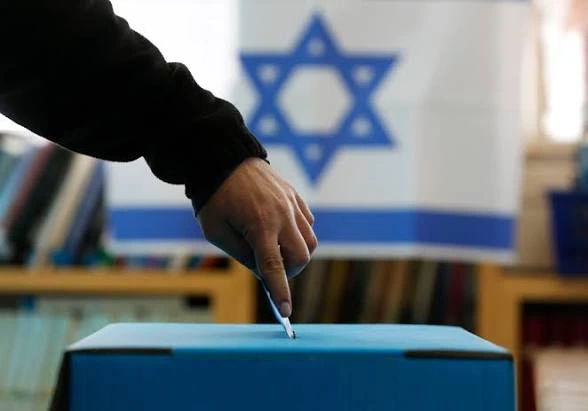
Israel’s democracy relies on something deeper than laws or institutions, it is built on a kind of promise between the people and those they elect. As the country moves toward the crucial October 27 national election, you can see old, unhealthy habits resurfacing in the way politics gets done. Instead of focusing squarely on the will of Israeli voters, campaign managers, pundits, and party spokespeople are looking nervously toward Washington and Mar a Lago, hoping for a wink or a nod from President Donald Trump. Trump knows exactly what he is doing here, leaving breadcrumbs through not so subtle hints, sharing favorable poll numbers, and keeping things deliberately ambiguous. American support, sure, remains essential for Israel, but the idea that Israel’s prime minister should be chosen based on cues from foreign leaders or wealthy donors just does not hold up.
People in Israel will not forget the support President Joe Biden showed after the horrors of October 7, 2023. They appreciate what Trump did to stand up to Iran and broker the Abraham Accords. There is also a genuine sense of gratitude toward the millions of American Evangelicals who stick by Israel even when global opinion turns cold. But being thankful is miles away from handing over the reins. Israel is not just some outpost or a place for American politics to play out. It is not Gaza’s beachfront waiting to be remade, and it is definitely not some company where the real power lies with foreign stakeholders.
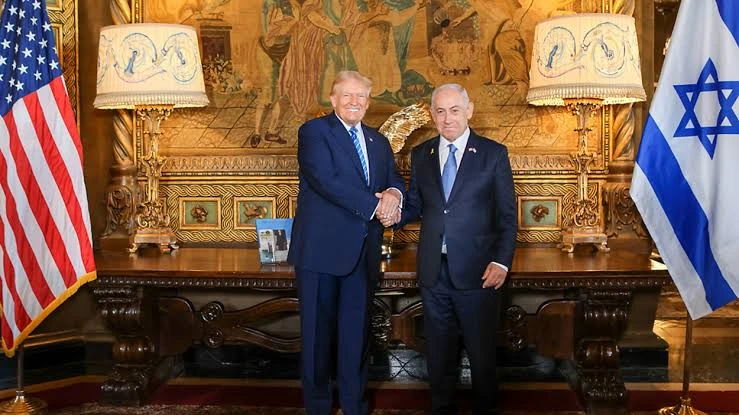
Benjamin Netanyahu leaned into this idea for years. He has built his political identity on his connections in Washington. Over and over, his message is that Israel cannot afford to lose his personal ties to American power, or it will face isolation and danger. It takes a relationship between two democracies, Israel and the US, and recasts it as if Israel’s safety balances on one man’s phone book. Instead of trusting Israel’s democratic institutions, it is all about who can get a better photo op with an American president. Netanyahu knows this stagecraft inside out. Again and again, he poses with presidents, delivers big speeches, and holds up meetings as proof that he alone can safeguard Israel’s most important alliance. Let us be honest, that is not real democratic strength. It is about creating dependence.
But things are changing. This whole dynamic just does not fit where Israeli voters are now. Look how fast Gadi Eisenkot, a centrist and former army chief who leads the Yashar party, has risen. Eisenkot represents something different. Poll after poll has his party running neck and neck with Likud, with many surveys actually showing him ahead of Netanyahu as the voter favorite.
Eisenkot stands out because he does not play the political theater game. His reputation is based on actual security experience, you will not find him staging dramatic moments for the cameras. The fact that he lost both a son and a nephew in combat during the Gaza war says something about his credibility and his commitment. He represents leadership that is stable, straightforward, and focused on Israel’s real problems: rebuilding, military preparedness, social unity. Eisenkot is not waiting to be endorsed by Trump, or to curry favor with Evangelical fundraisers. He is not putting on a show for Washington; he is leading for Israelis themselves. And that is what makes him appealing right now. Let Americans feel whatever they feel about Eisenkot, Trump can ignore him, donors can pass him by. But the important thing is that people around the world need to respect the fact that, this time, Israelis want something quieter, less divisive, and a whole lot more accountable.
It is on American leaders, donors, and advocacy groups to back off and let Israelis make up their own minds. Trump’s game of dangling possible endorsements creates unnecessary pressure, making candidates scramble to seek his blessing. He knows that by just hinting at a possible pick, he can keep every Israeli politician guessing, trying to stay in his good graces. Netanyahu can cozy up as Trump’s natural partner, while the rest work overtime to prove their loyalty to Washington. It is a dynamic where Trump holds all the cards without committing a thing. It is not just about liking Netanyahu, it is Trump’s style. He likes public loyalty, he wants to be seen as the dealmaker who decides the outcome. Sure, sometimes that approach works, like with the Abraham Accords. But in the end, countries are not real estate. Nations are built from history, responsibility, and people, not transactions.
Israeli voters do not need a foreign stamp of approval to pick their prime minister. They know who can secure the borders, help neighborhoods recover, reform national service, and get the economy back on track, especially after years of conflict. If the bond between Jerusalem and Washington is going to last, it has got to be based on actual shared values and institutions, not which leader curries foreign favor. Israelis handled differences plenty of times, whether with Biden or with Trump, and they will keep forging that relationship no matter who ends up leading.
Candidates in the October 27 election need to remember that their legitimacy comes from Israeli voters, not overseas backers. The campaign should be about what people in Israel really care about, their safety, their livelihoods, their future. At the end of the day, it is Israelis, soldiers, nurses, families, teachers, citizens across the country, who live with the direct results of every policy and decision.
Eisenkot has a chance here to draw a bright line. He can express gratitude to Trump for helping Israel, celebrate American Evangelical support, and thank Biden for standing by during a crisis. But he must be clear: no outsider gets a veto over Israeli democracy. That is not anti American. That is what an alliance between true partners looks like. Allies give advice, they help, they argue, but at the end of the day, it is up to the people to decide. Israel’s election belongs to its citizens, the ones who build, defend, and live the country’s story every day. Whoever ends up leading the nation answers not to Mar a Lago or Washington, but to the people who call Israel home.