
Transnational Counterterrorism Briefing | State-Sponsored Proxies, Criminal Convergence, and Hybrid Warfare
1. Transnational Crime and State-Sponsored Terrorism Convergence
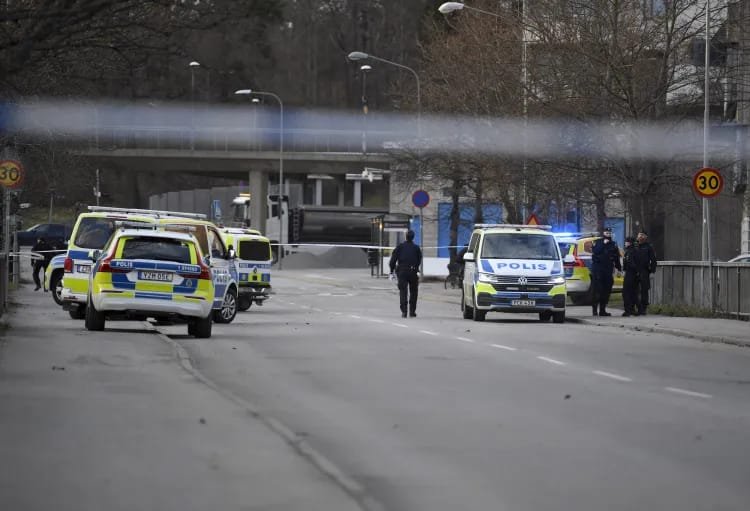
The blending of transnational organized crime with state sponsored terrorism is turning into one of the most alarming security shifts we’re seeing right now. Recent investigative reporting has exposed how Iran has outsourced a lot of its dirty work across Europe to the Foxtrot Network, a notorious Swedish criminal syndicate. Led by fugitive Rawa Majid from a safe haven inside Tehran, this syndicate has moved from domestic drug trafficking and gang violence into functioning as a lethal proxy targeting Israeli sites, Jewish communities, and Iranian dissidents. What makes this whole arrangement particularly grim is the methodology the network favors. Handlers work through encrypted messaging apps to recruit children and teenagers, deploying underage operatives who don’t have the maturity to fully grasp the consequences and lack the experience to evade modern counterterrorism intelligence.
2. Operational Mechanics and Exploitation of Underage Operatives
European law enforcement and investigative journalism have laid out the mechanics of this operation pretty clearly. The Foxtrot Network is tied to roughly 35 murders and a string of high profile attacks against Israeli and Jewish targets across the continent since 2022. The human toll here gets compounded by a genuinely cynical financial calculus too. Recruits get offered tens of thousands of euros to carry out hits or plant explosives, but because these inexperienced young people are routinely caught by vigilant security services either during or right after their missions, the syndicate rarely actually has to pay out what it promised. That dynamic played out starkly with the recent conviction of a Norwegian teenager in a British court, arrested in a hotel room with firearms and ammunition after being directed by handlers operating under aliases.
3. Sanctuary in Tehran and Plausible Deniability Architecture
Rawa Majid’s shift, widely known by the nickname the Kurdish Fox, into an asset for Iran’s intelligence apparatus really underscores a bigger geopolitical reality here. Fleeing international arrest warrants, Majid found sanctuary in Tehran under a pretty explicit arrangement. In exchange for protection from extradition and freedom of movement, his criminal network answers to Tehran when called on. Iran effectively weaponizes existing European criminal underworlds to maintain deniability, using hardened drug runners and hired guns to carry out operations its own intelligence officers can’t safely execute themselves. This marriage of convenience lets the regime wage a shadow war against its perceived enemies on Western soil while keeping up a thin facade of diplomatic innocence.
4. European Legal Frameworks and Institutional Blind Spots
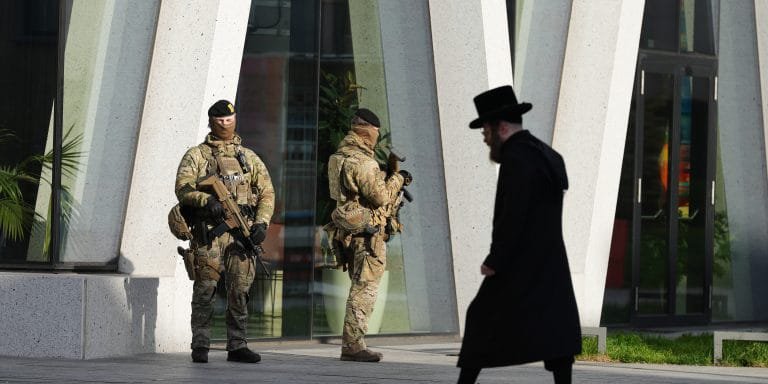
For Israel, this development reinforces something it’s understood for a while now about the nature of the Iranian threat. Tehran’s reach extends well beyond the Middle East, stretching deep into European capitals through criminal syndicates willing to trade human lives for protection and profit. While the sanctions the US and UK have imposed on Majid and the Foxtrot Network are a necessary step, bureaucratic punitive measures alone aren’t going to dismantle an infrastructure backed by a sovereign state. European security agencies need to wake up to the fact that organized crime and state terrorism aren’t separate threats anymore. They’ve merged into a single, highly adaptable apparatus built to exploit the open borders and liberal legal frameworks of the West to hunt Israelis and Jews right in the heart of Europe.
5. Gamified Recruitment and ‘Violence-as-a-Service’ Dynamics
Widening the picture further, the use of minors recruited through gamified channels reveals a genuinely disturbing evolution in asymmetric warfare. Handlers operating on encrypted platforms treat orchestrating contract killings almost like running a game. They target alienated youths, people struggling with mental health, or those trapped in cycles of poverty, dangling sums of money that feel astronomical to an impressionable teenager. These young recruits get guided step by step through encrypted channels toward weapons and travel logistics, often without fully understanding the scope of what they’re actually part of until law enforcement closes in. Europol and specialized counterterrorism task forces have started calling this trend violence as a service, a chilling model where state intelligence agencies use criminal middlemen to insulate themselves entirely from any operational blowback.
6. Obsolete Compartmentalization and Threats to European Capitals
The implications for European security here are genuinely serious. For years, European capitals treated organized crime as a domestic law enforcement issue centered on narcotics, turf wars, and money laundering. That compartmentalized way of thinking is basically obsolete now. When a major drug syndicate becomes the de facto hit squad for Iran’s Ministry of Intelligence, local gang violence crosses straight into international terrorism territory. Attacks involving grenades near diplomatic missions in Stockholm and Copenhagen show that the physical safety of Israeli and Jewish communities across the continent is under direct, ongoing threat. Tehran is betting that using criminal proxies gives it a shield of plausible deniability, letting the regime deflect official condemnation while its foreign proxies sow chaos on its behalf.
7. Diplomatic Denials versus IRGC-Backed Safe Passage
Diplomatic pushback from Tehran has been predictably dismissive. Iranian embassies routinely issue blanket denials, claiming zero connection to criminal syndicates operating on European soil. But those denials ring pretty hollow against the weight of mounting intelligence gathered by agencies across Sweden, Britain, the US, and Israel. The paper trail of financial transactions, encrypted communications, and safe passage deals worked out inside Tehran exposes just how false those denials really are. When a fugitive kingpin like Majid lives openly under the protection of the Islamic Revolutionary Guard Corps, the regime’s complicity becomes pretty hard to dispute.
8. Counter-Threat Imperatives and Integrated Intelligence Sharing
Israel’s national security apparatus has understood for a long time that Tehran operates without much in the way of moral boundaries. Weaponizing Europe’s criminal underworld is just the latest chapter in a decades long campaign of global terror. Combating a threat this multifaceted is going to require a real shift in how Western governments approach the problem. Intelligence sharing needs to move faster, the financial pipelines feeding these syndicates need to get aggressively cut off, and host nations need to start treating the sheltering of these criminal assets as an act of hostility in its own right. Europe can’t keep treating these incidents as isolated criminal anomalies anymore. The safety of Israeli citizens abroad and the integrity of Western democratic societies depend on recognizing this proxy network for exactly what it is, an extension of state sponsored terror operating openly inside their own borders.