
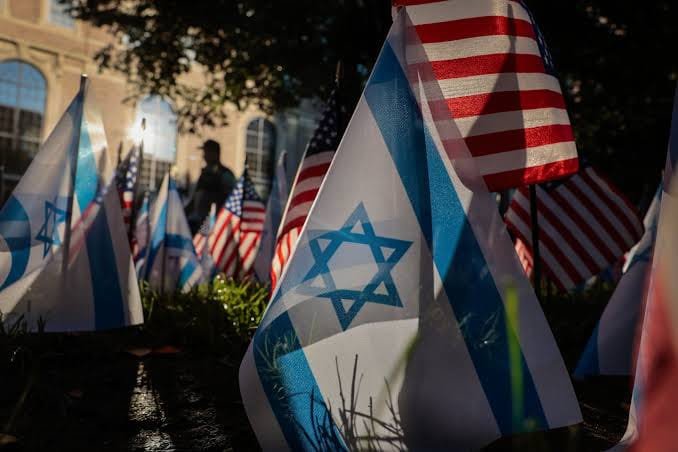
The US midterm elections did not just shake up Congress; they marked a real turning point for American politics at home, and the effects hit Jerusalem almost immediately. The Republicans losing their majorities is not just another case of voters balancing things out halfway through a president’s term. This outcome actually reflects a deeper shift in public mood, challenging all the basic beliefs Israeli strategists in Washington have leaned on for years.
Right now, the main pressure point centers squarely on the White House’s approach to the Iran conflict. Exit polls after the midterms show a clear message: 62 percent of Americans want out of ongoing US military involvement in the Middle East. TV talk during election night made it plain: Americans are tired of endless war, and that frustration helped tip key swing districts away from Republicans.
So, President Trump is clearly on notice: people do not want another long, open ended commitment overseas. He and his team are now staring down two main paths, and neither fits Israel’s security playbook. They could press for a backroom deal with Iran, looking for quick concessions that let the administration frame an exit as diplomatic success. Or they might go for a short, sharp military push, something designed to look like a win, then pull out fast.
Really, both of these strategies put domestic politics first and long term security second. Prioritizing a swift exit to keep voters happy risks leaving Israel holding the bag with the regional fallout. Pulling back US forces from the Persian Gulf on a rushed timeline weakens the leverage needed to pressure Iran about its proxies and nuclear ambitions, which leaves Israel’s borders exposed in the north and south.
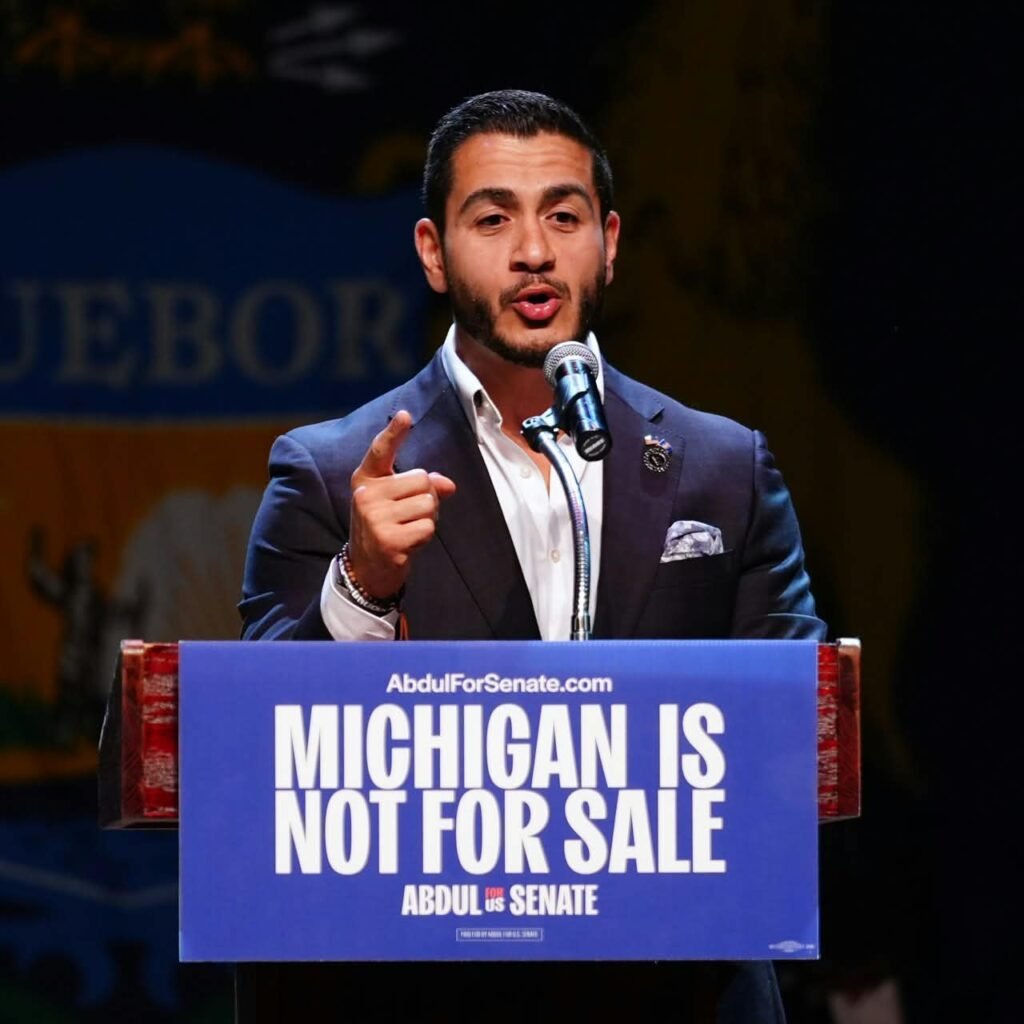
The second shockwave is happening on Capitol Hill. With Democrats now in charge of both the House and the Senate, the machinery of Congressional power is about to change in a big way. Committee chairs will have real teeth: the power to subpoena, shape budgets, and set foreign aid terms. Oversight suddenly matters again, and crucial groups like the House Foreign Affairs Committee and Armed Services Committee will not reliably rubber stamp US Israel defense deals anymore.
On top of that, there is a loud, unapologetically progressive group of newcomers in Congress. Take Michigan’s incoming Senator Abdul El Sayed. He stands for a whole new wave of Democrats who are not shy about criticizing Israeli security practices or the influence of traditional pro Israel lobbying. The days when old school advocacy groups could guarantee huge, bipartisan majorities for aid are basically over; the debate has gone mainstream in Democratic meetings.
Arguments that once seemed extreme now pop up in regular committee debates. Israeli defense strategists have no choice but to prepare for tough congressional scrutiny, drawn out arms sales discussions, and more transparency demands about what is happening in the Middle East. The bipartisan unity that used to anchor US Israel defense is facing its hardest test in decades. Annual measures like the National Defense Authorization Act and foreign aid bills are now likely to become battlegrounds over human rights, weapons usage, and direct policy strings tied to all kinds of security cooperation.
If you look ahead, these midterm results actually set the stage for 2028’s presidential race. Progressive candidates who broke ranks on Israel did well this time, and that sends a signal to would be contenders: standing up to conventional positions on Jerusalem gets you fired up volunteers and plenty of grassroots donations. For Democrats aiming at the White House, the baseline has shifted. Even moderates trying to unify the party will feel real pressure to take tougher lines on Israeli leadership than any before them. Where criticizing Israel once meant political risk, now it is almost the opposite in Democratic primaries: you actually gain points for showing independence.
All this, combined with changing dynamics beyond electoral politics, is threatening the fragile diplomatic balance in the Middle East. If the US steps back from its traditional security role and Congress turns more skeptical, it becomes much harder to build or sustain normalization between Israel and its Arab neighbors. Security allies who used to see the US Israel relationship as a rock solid guarantee might start looking elsewhere, maybe toward China or Russia, for backup, hedging their bets for the first time in a generation.So now Israel’s defense and diplomatic teams have to rethink everything. For years, Israel could rely not just on its technological edge, but on knowing the US would always resupply, back them up at the UN, and coordinate strategy behind closed doors. With those certainties fading under the weight of American domestic politics, Jerusalem has to look for new options to keep its security edge.
That probably means widening supply chains, making more weapons at home, and searching for deals with new international partners. Still, nobody is kidding themselves: there is no quick way to replace the depth, scale, or trust that comes with a US defense partnership. Doing so would cost a fortune and could not happen overnight.
Bottom line: Israel cannot count on the same old Washington playbook. With the White House trying to cut foreign commitments, Congress flexing new oversight power, and the Democratic base shifting, Israel has got to change course. Israeli diplomats will need to reach across party lines, talk to broader coalitions, and stop relying so much on executive ties. If they do not, and if they fail to build new relationships for this new era, the partnership faces some serious turbulence, maybe more than it has ever seen before.
About the Author
Noam Shalev is a Political Affairs Commentator covering Israeli government policy, US-Israel relations, coalition politics, and diplomatic engagement across the Middle East.