By Noam Shalev
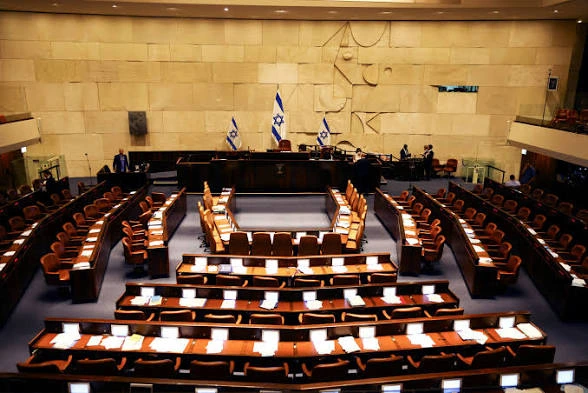
The dust has finally settled on Israel’s October 2026 election, but if anything, the country’s politics look even more splintered and tense than before. Prime Minister Benjamin Netanyahu and his right wing religious bloc pulled in 53 seats, not enough to claim victory, while Gadi Eisenkot, the centrist ex military chief, and his opposition alliance took 48. The real shakeup, though, did not come from either of them. It happened in those 19 seats handed to Arab led parties: the Joint List got 11, Ra’am took 8. That is where the biggest tremor in Israeli politics hit. In a 120 seat Knesset, you need at least 61 to build a government, but neither of the major Zionist camps reached the mark. Now everyone is staring at a deadlocked map, and the system is staring down some harsh new realities.
This is not business as usual. For years, Israeli coalition politics played out under an unspoken pact that kept Arab parties on the outside looking in. The big camps enforced an airtight barrier, warning that Arab representation clashed with the state’s Jewish and democratic character. That mindset fostered suspicion and exclusion. But this election blew that pattern apart. Arab turnout soared to more than 80 percent. People were galvanized, fed up with crime running rampant in their towns, tired of being shortchanged on local budgets, tired, period, of feeling invisible. Israel’s Arab citizens, who make up about a fifth of the population, stepped forward and claimed a louder voice in the country’s future. Now, with almost 20 percent of the Knesset belonging to parties the mainstream will not even consider as coalition partners, the whole system has jammed up.
The math is brutal. Netanyahu is stuck, holding onto his shrinking bloc but falling way short of a majority. His far right allies refuse to budge, making any compromise impossible. The old tricks, courting smaller religious parties, do not add up anymore. On the other side, Eisenkot and the opposition technically have a path to power, if, and it is a big if, they are willing to reach out to Arab representatives and mend generations of mistrust. Back in 2021, Mansour Abbas and Ra’am already proved such partnerships can work, joining a Bennett Lapid government and teaming up on real issues like funding and social welfare. But fear, political calculation, and worries about right wing backlash keep center left leaders backing away from the alliances they actually need if they are serious about ending Netanyahu’s rule.
Instead, some hardliners are taking another route: lashing out at the legitimacy of those 19 Arab seats. There is talk, wild and baseless, about voter fraud and stolen elections. But the Central Elections Committee stood firm, confirming that the results were clean and fair. No evidence, just noise. Casting doubt on the participation of a community because of political differences is a slippery slope, the kind that undermines democracy at its core. A country that tells minorities to show up and vote cannot just shrug off real results when those minorities make themselves heard.
Israel is now heading for weeks of high stakes coalition bargaining, and the pressure is on like never before. The stakes are not just about who gets to govern; they are about how Israel handles diversity and dissent. A real democracy is measured not by how often voters go to the polls, but by what happens when the “wrong” people win and when hard conversations about belonging cannot be ignored. Netanyahu might try to peel off defectors or send the country into another election, dragging things out, but the facts remain. The demographics are not going anywhere, and neither are the demands for real representation.
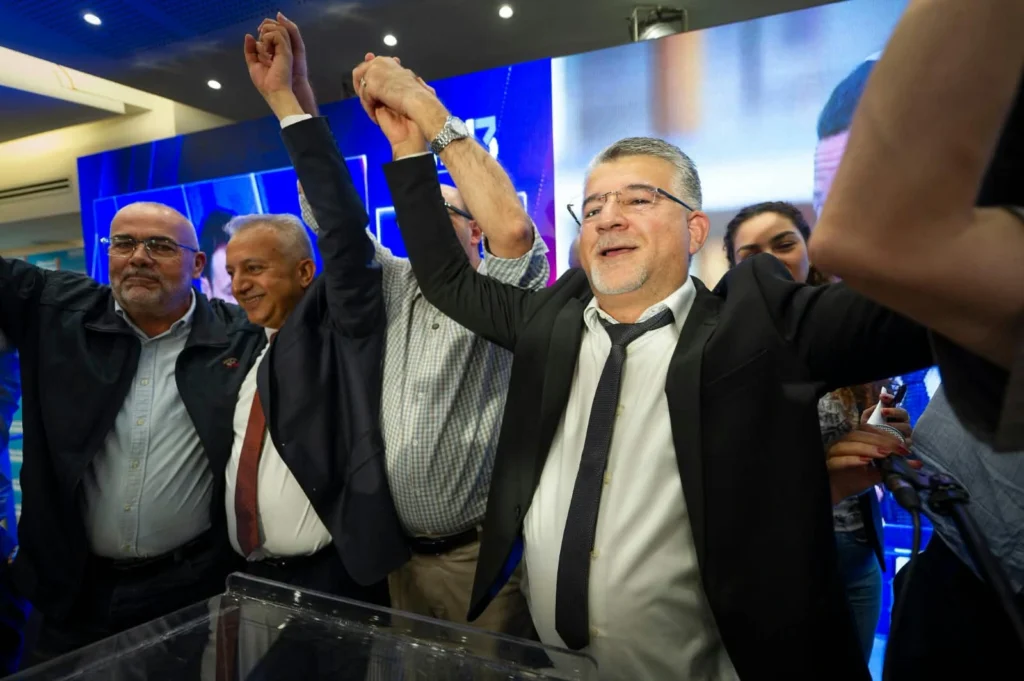
Until Israeli leaders figure out how to listen to these newly empowered voices or at least acknowledge their clout, the cycle of political paralysis is just going to keep spinning. Every round of exclusion racks up a bigger cost, not just for politicians, but for the country as a whole. This is not just a stalemate; it is a test of whether Israel is capable of political growth or doomed to repeat itself.
About the Author
Noam Shalev is a Political Affairs Commentator covering Israeli government policy, US-Israel relations, coalition politics, and diplomatic engagement across the Middle East.