By Eitan Levi
The northern border of Israel is clearly heading into uncharted territory, and this shift demands a complete update of its core threat models. For years, Israeli defense planners mostly worried about the Iranian backed Shia alliance, Hezbollah lurking in Lebanon, and before the civil war of Syria, the Ba’athist regime in Damascus. Times change. Regional chaos has recently hammered the influence of Tehran in the Levant. Now, a different force is stepping up: an organized Sunni Islamist bloc led by Turkey, moving right into the Syrian power vacuum and drawing ambitious new lines on the map.
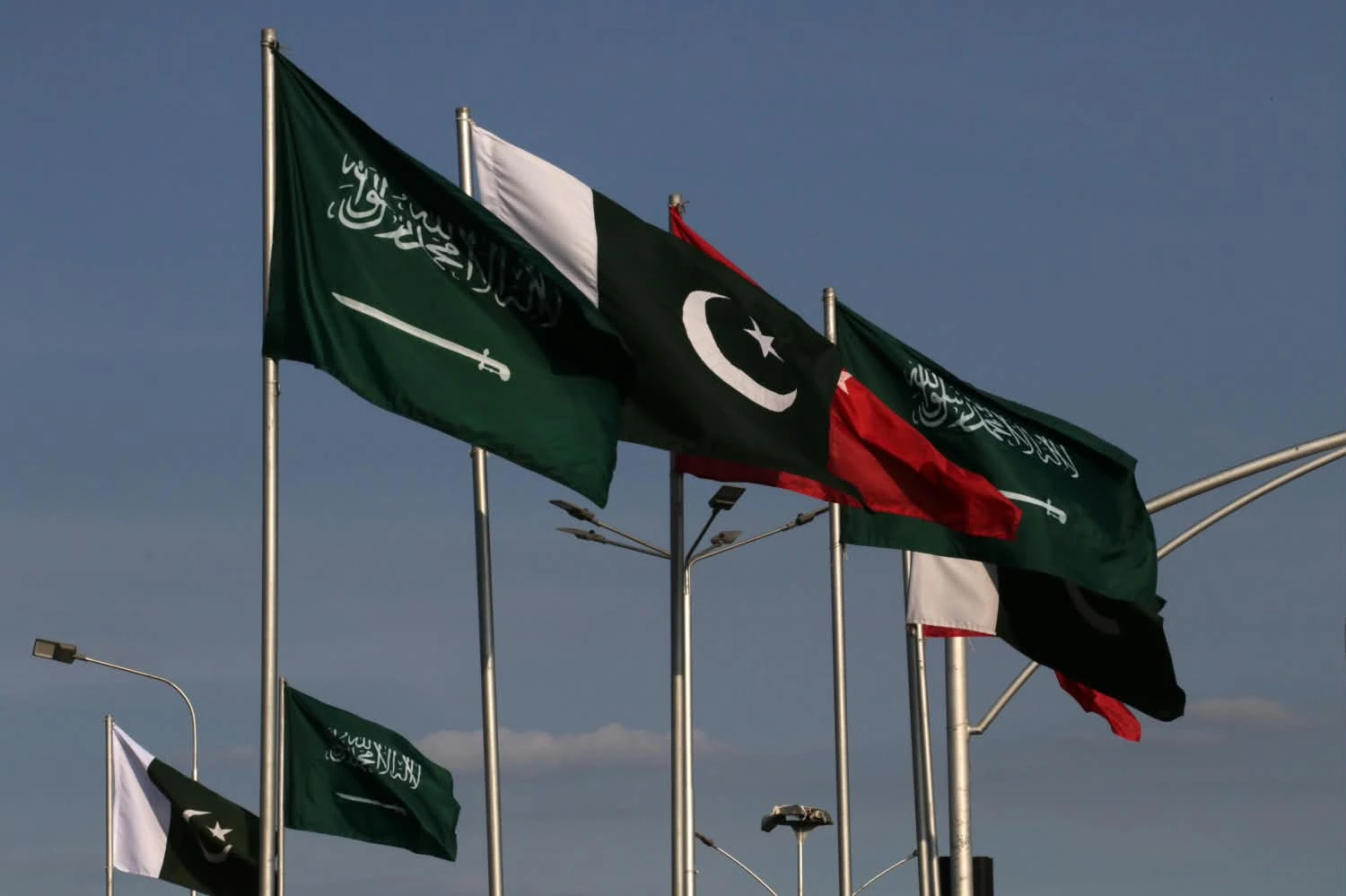
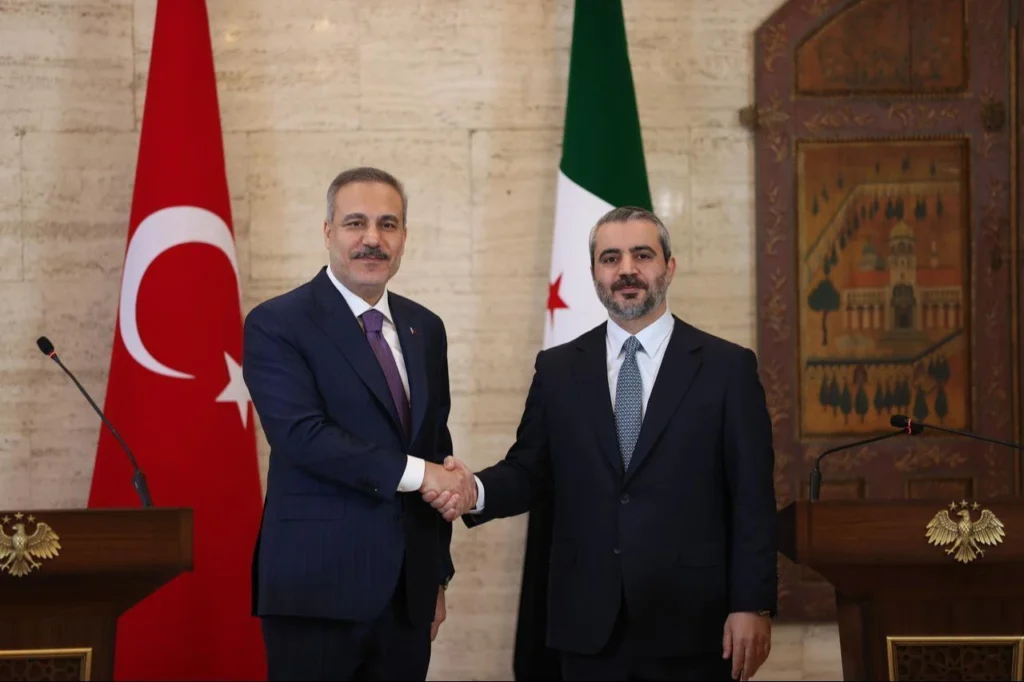
There is no mistaking the signs. Official statements from Damascus point the way. The Foreign Minister of Syria, Asaad al Shaibani, now openly admits that the country is looking at joining the Mecca Pact. This pact, signed in August 2026, ties Turkey, Saudi Arabia, and Pakistan into a mutual defense agreement. Outside observers hear talk of “regional security,” but the likely entry of Syria, with President Ahmed al Sharaa steering the course, marks a profound strategic turn. Ankara, clearly the mover behind the scenes, is pulling Damascus toward the core of an assertive new Sunni military coalition. The goal? To spread their influence well beyond the border, with Syria providing the launch pad across the northern Levant.
The consequences for Israel are immediate and serious, especially concerning the Golan Heights and Lebanon. Suddenly, Syrian state media and crowds in the streets are ratcheting up demands for the Golan, with rhetoric that is growing louder and more aggressive. This is not just the usual anti Israel bluster. The message now is about regional ambition, fueled by Sunni power players who see the old buffer zones as relics ready for challenge.
The attitude of Syria toward Lebanon gives more context. For decades, Damascus treated Lebanon as a backyard, holding it under tight military control, at least until the 2005 political wave triggered by the assassination of Rafic Hariri forced them out. Still, restoring leverage in Beirut sits at the heart of the regional agenda of Syria. The desire to call the shots in Lebanon, either directly or indirectly, has not faded, if anything, it now fits perfectly with their broader regional plans.
What makes these ambitions credible, though, is what is happening inside the armed forces of Syria. The Assad regime is busy transforming its scattered armed groups, over 130 militias, into a single, regular army. Hay’at Tahrir al Sham stands at the center, shaping the united force both ideologically and tactically. This is not a simple reshuffle. Military advisors of Turkey are now on the ground, delivering advanced gear and logistics, helping to turn ragtag insurgent units into a structured, modern fighting force. For Israel, that means something entirely new: a hostile, disciplined army on its doorstep, powered by radical ideas and backed by Turkish muscle.
Security experts in Jerusalem see trouble ahead as these trends converge. As Iran falters, Sunni states are quietly erecting a rival security framework through the Mecca Pact, one that actually encourages hardliners in Damascus who view confrontation with Israel as a vital source of political legitimacy at home. There is nothing “moderate” about where this is headed; the balance of power in the Levant is tilting fast.
Given all this, Israel simply cannot take risks with its border defenses, especially around the Golan. The idea of giving up the high ground, or thinning out defensive buffer zones just because regional players are talking peace, would invite disaster. The brutal lessons of the southern border last year are still fresh: underestimate determined, well equipped adversaries by the frontier, and Israeli civilian communities pay a terrible price.
This moment does not allow for naivety or complacency. The changes in Damascus are not just some internal shakeup. With Turkish strategy driving Syrian military rebirth, and with both old grievances and fresh ambitions stretching from Beirut to the Golan, the basic security calculus for Israel has changed for good. Holding firm control of key territory, setting clear boundaries for enemy troop movements, and recognizing that as old alliances crumble, new threats will inevitably rush in, these are now the basics. In this arena, only clarity, vigilance, and readiness will keep the state secure. Israel has no margin for error.
About the Author
Eitan Levi is a Security and Geopolitical Analyst with expertise in Israeli defence strategy, Iran’s regional operations, Middle Eastern power rivalries, and Israel’s security partnerships.