
By Noam Shalev
As the polls close and those first numbers start pouring in after the big turnout on October 27, 2026, you can almost feel the truth settle over the country: Israeli politics is still split right down the middle, just as everyone sensed during months of heated, unpredictable campaigning. But deep down, people are calling for something different, stability. After the nightmare of October 7, 2023, there is just no way Israel can deal with another paralyzed Knesset, shaky one seat majorities, or, honestly, even the thought of another round of elections in the near future. A new prime minister alone will not do it. Some cobbled together deal to keep the lights on for a few months is not enough. What Israel actually needs is a steady, broad Zionist coalition, something that is strong enough to actually stick around and govern for a full four years without blowing up halfway through.
Take a step back and look at what stability really means to people on the ground now. Let us say you are a reservist who has been called up again and again over the last three years, sometimes for months at a time, on different fronts. For you, it is about more than politics. It is about knowing whether your family business will survive next year, whether your kids can count on some kind of routine, whether the government can keep its promises. It is about not jerking entire families out of normal life with another late night call up just because politicians cannot get their act together. And for the people still struggling to rebuild their lives along the Gaza border or up north, stability is not just a buzzword. They need the government to lock in budgets that will not vanish the next time there is an argument in parliament.
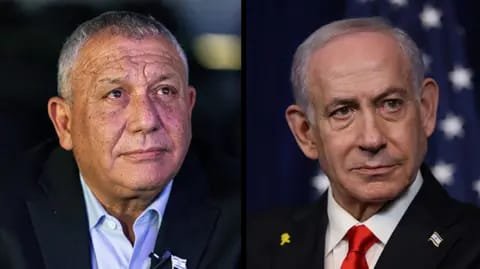
So, if the country is actually going to get this kind of stability, the old way of building coalitions, all those endless backroom deals, threats, and last minute betrayals, just cannot go on. The next government has to start with a real, formal agreement, one that ties together the major Zionist parties across the political map. That means unlikely bedfellows: Likud under Netanyahu, Eisenkot’s Yashar, and other centrist or mainstream national parties. Nobody is pretending this will be easy. Party leaders will have to sit down at tables with people they publicly tore apart just weeks ago. Some politicians might find themselves with smaller roles, forced to explain to their followers why pure partisan demands had to give way to something bigger, survival.
This kind of compromise is not just tough, it is exactly what the moment needs. In Israel, politics gets personal. People’s votes are about family stories, about where their parents or grandparents came from, about old hurts that still sting. When leaders turn around and paint some whole camp as ignorant or dangerous, they do not just score debating points, they make millions of citizens feel like the enemy. Elections decide who gets the votes to form a government, sure. But after the speeches end, everyone still has to live in this place, together. You should be able to see your side lose and still trust you belong, that you will be heard, that you do not have to pack your bags.
A big, broad Zionist government has to begin these talks in the areas where Israelis already agree. Stick to the 70 or 80 percent of policy that is not up for real debate. That means getting serious about defense, a straightforward, fully funded plan that gives soldiers and reservists some breathing room, so they actually know what to expect. It means making sure that the people who kept the country running under fire, reservists, families, evacuated communities, are not left scrambling for help while politicians squabble. Ministers deserve the time and space to carry out actual projects, to deliver results you can measure, not just lurch from one political crisis to the next.
Then there is the matter of trust. If this new government really wants to restore public faith, it cannot dodge the hard questions about October 7. The only way forward is a proper, independent commission, one with real teeth, not some internal review peddled by the people in charge. The families of the dead, the soldiers who fought, and the whole country have the right to know what failed, and how. Trying to sweep the hard truths aside would only poison any hope of moving forward.And let us talk about national service. Right now, too few people are carrying almost all the burden of defense, and it is just not sustainable. Only a strong, centrist coalition has the guts and enough votes to finally bring real universal service to life, so it does not matter if you are serving in the army or contributing on the civilian front, everyone pitches in. This way, no fringe party can hold the country hostage, demanding special treatment for their own group.
Beyond all that, Israel’s place in the world, especially with Jews abroad, cannot be overlooked. The last few years of political chaos have only made that rift wider. A steady, practical government needs to rebuild those bridges: real strategies, regular talks with Jewish leaders outside Israel, pouring meaningful resources into education, university support, and the kind of programs that actually let young Jews come, live, and connect with the country in real life. No one should feel their relationship with Israel rises and falls with the latest headlines out of Jerusalem.
Theodor Herzl called Zionism an “eternal ideal,” an endless pursuit of justice, community, and something greater than politics for its own sake. Right now, in 2026, you measure that ideal by how a bereaved family gets treated at a government office, by whether reservists get proper backup, financial, psychological, all of it, and by whether leaders finally have the guts to put the country first, even if it means swallowing their pride.
So here we are: the votes are in, the public’s message could not be clearer. The politicians have to put the election fights in the past, get into those cabinet rooms, and hash out the deals that actually matter. It is time for grownup leadership, the kind that sticks around, that governs with discipline and purpose. That is what Israel needs now, more than ever.
About the Author
Noam Shalev is a Political Affairs Commentator covering Israeli government policy, US-Israel relations, coalition politics, and diplomatic engagement across the Middle East.