Political Thought & Electoral Strategy Briefing | Covenantal Leadership, Social Cohesion, and Generational Renewal
1. The October 2026 Electoral Horizon and Internal Polarization
As Israel heads toward a pivotal general election set for late October 2026, the national conversation has expanded way beyond immediate security concerns into something deeper, an internal crisis that’s been building for a while. Decades of deepening political polarization, made worse by bruising judicial overhaul fights, social division, and the prolonged trauma of an unprecedented multi front war, have exposed some genuinely severe cracks in the country’s governance. Public life has grown increasingly transactional and combative, driven more by factional posturing, populist rhetoric, and social media toxicity than by any real unifying national purpose. To break out of this exhausting cycle, public thinkers and ordinary citizens alike are starting to ask whether a philosophical return to covenantal politics, a concept famously championed by the late Rabbi Lord Jonathan Sacks, might actually offer a real blueprint for rebuilding trust and reshaping the future of Israeli leadership.
2. Communal Foundations versus Consumer-Driven Fragmentation
The foundational roots of Israeli society were historically communal and cooperative in nature. Early statehood leaned heavily on collective structures like the kibbutz, the moshav, and robust mutual aid frameworks that bound citizens together through a deep sense of shared identity and mutual responsibility. Over the decades, though, as Israel successfully integrated into the global economy, went through massive population growth, and achieved remarkable technological and financial progress, it also imported a lot of the hyper individualistic and polarized habits that come baked into Western consumer culture. Buying into modern consumerism meant absorbing not just the economic dynamism that came with it, but also the societal fragmentation riding alongside it. The steady drift from a covenantal society built on lasting relationships and moral commitments toward a purely contractual one driven by narrow self interest and short term political wins has badly eroded public trust along the way. When politics gets treated like a zero sum transaction, where citizens are basically consumers and leaders act as self interested operators, the broader social fabric inevitably starts to fray, leaving people feeling isolated and disillusioned with the democratic process itself.
3. Redefining Leadership Beyond Raw Power and Sectoral Bargaining
Reversing this moral and political drift is going to require a genuine reimagining of what citizens should actually expect from the people governing them. Modern political discourse too often gets trapped between autocratic tendencies chasing absolute control and fragmented coalition bargaining that prioritizes narrow sectoral budgets over anything resembling the national good. Rabbi Sacks argued that true leadership was never really about the pursuit of raw power. It’s rooted instead in service, moral responsibility, and the ability to cultivate leadership in others, much like Moses did by involving the broader community in building a shared vision instead of just imposing solutions from above. In the context of contemporary Israel, actually finding leaders who embody these kinds of selfless traits remains a genuinely difficult challenge. Plenty of established political figures actively work to undercut potential rivals rather than encourage new talent to rise up, and moral integrity has frequently taken a back seat to sheer political survival and opportunistic maneuvering instead.
4. The Generational Crucible and Combat-Tested Leadership
Still, despite all these institutional shortcomings, the desire for better governance is clearly present among the Israeli public, especially among younger generations. The brutal crucible of the recent years of war has shown that Israel’s youth carry extraordinary dedication, resilience, and a deep, unshakeable commitment to the collective mission of the country. These young men and women, who bore the heaviest burdens on the front lines from Gaza to the northern border, represent a genuinely untapped reservoir of moral clarity and operational competence. The next generation of political leadership needs to come out of this cohort, blending the fresh energy, selflessness, and idealism of those who defended the country with the practical administrative wisdom of seasoned public servants willing to mentor without dominating the process entirely.
5. Contractual Fragility versus Covenantal Endurance
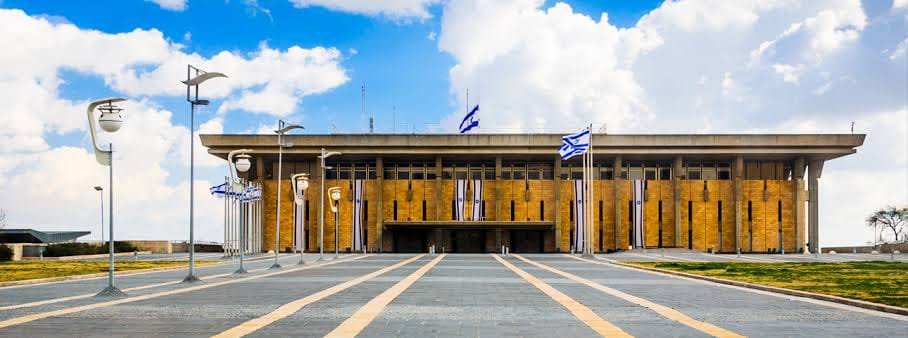
Shifting away from a transactional political culture back toward something more covenantal isn’t just a nostalgic nod to the past either. It’s a genuine necessity for the future survival and prosperity of the Jewish state. A contractual society tends to fall apart the moment the contract stops serving someone’s immediate interests, which can lead to rapid societal collapse right when a crisis hits hardest. A covenantal society, by contrast, tends to endure through extreme adversity because its members share a mutual destiny and an intrinsic sense of responsibility toward one another. The resilience Israeli society showed during the darkest moments of the recent multi front conflict proved that the foundational spirit of mutual guarantee is still very much alive among the people, even if it’s been poorly reflected by the political class sitting in Jerusalem.
6. National Renewal and Strategic Choices at the Ballot Box
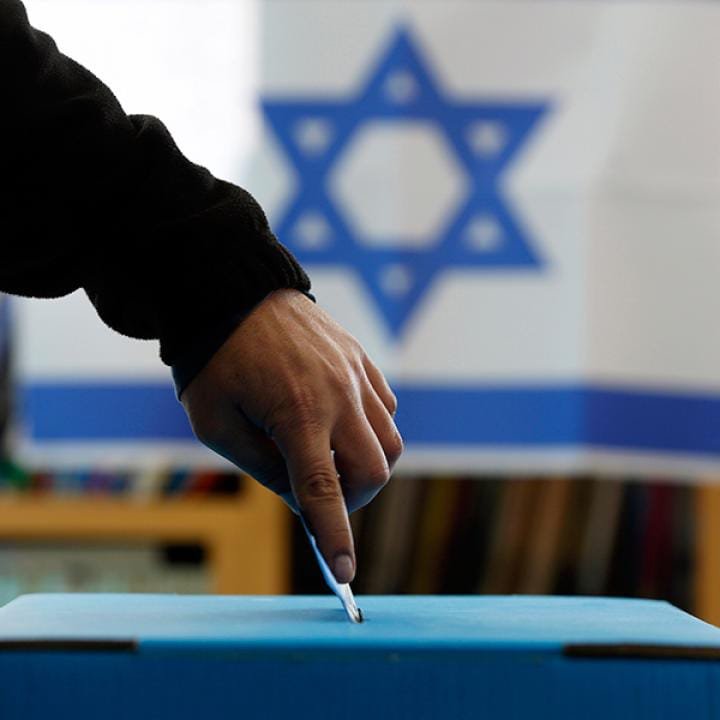
The upcoming election cycle offers a genuinely important window for national renewal. Voters are increasingly tired of hollow slogans, endless polarization, and politics as usual. Restoring real health to Israeli democracy is going to require a conscious, intentional choice at the ballot box, one that rewards leaders who actually prioritize national unity over partisan division and long term security over short term electoral survival. By anchoring future governance in the timeless values of mutual responsibility, moral integrity, and covenantal connection, Israel has a real chance to heal its internal fractures and make sure the immense sacrifices its citizens have made actually lay the groundwork for a resilient, cohesive, and enduring society going forward.
7. Multi-Generational Commitment and Sustained Democratic Purpose
This isn’t a challenge that gets solved in a single election cycle, of course. Rebuilding a covenantal ethos after decades of drifting toward transactional politics takes sustained effort across generations, not just a single hopeful vote. But elections do offer a starting point, a moment where the public can signal what kind of leadership it actually wants to reward. If enough Israelis use this coming vote to push back against the cynicism and fragmentation that have defined recent years, it could mark the beginning of a longer, harder process of rebuilding the kind of shared national purpose that got the country through its hardest moments in the first place.