
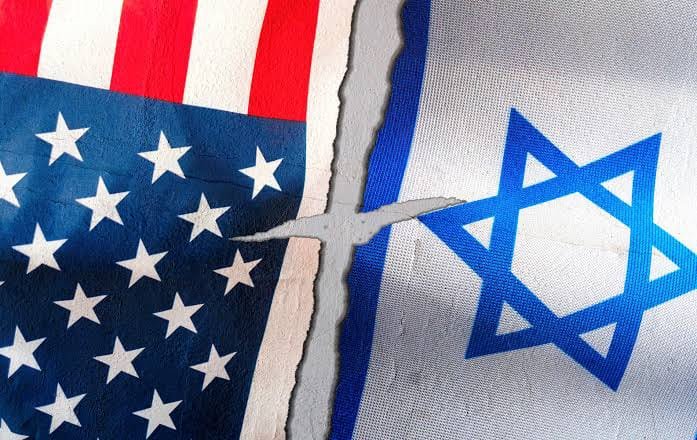
Diplomatic Assessment | Strategic Realignment, Bipartisan Erosion, and Sovereign Statecraft
1. Systemic Failures of Statecraft and Damaged Intimacy
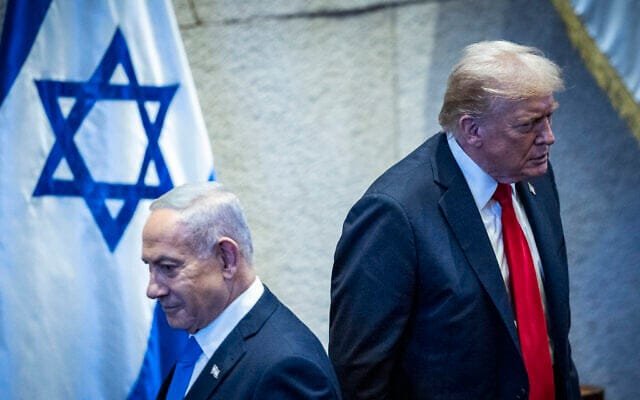
The stark assessment delivered by former ambassador Mike Herzog regarding Israel’s standing in Washington should serve as an urgent wake-up call for our entire political establishment. For years, the prevailing dogma in Jerusalem has relied on the comfortable illusion that personal chemistry between prime ministers and American presidents can substitute for deep strategic alignment. When former ambassador Herzog points out that the intimacy of the bilateral relationship has been severely damaged and that our ability to influence decision making in the White House has plummeted, he is diagnosing a systemic failure of Israeli statecraft. We can no longer afford to hide behind hollow photo opportunities or spin domestic political victories out of crowded, low-profile White House visits designed to keep our leadership safely at arm’s length.
2. Regional Conflict, Transactional Politics, and Strategic Friction
The reality on the ground in Washington reflects a dangerous convergence of shifting American domestic politics and the fallout from prolonged regional conflict. As Herzog correctly noted, the protracted nature of our wars against Iran and its regional proxies has deeply alienated large segments of the American public. Images of endless hostilities have been expertly weaponized by hostile actors to paint Israel as a belligerent state dragging an unwilling superpower into quagmires. President Donald Trump, despite his rhetorical support, is fundamentally populist and transactional. He detests the perception that foreign capitals dictate American blood and treasure, and he has made it clear that while he understands the Iranian threat, he refuses to be cornered into an open-ended war. When our leadership ignores these political realities and treats the White House like an electoral prop, the resulting friction damages the very security architecture we depend on.
3. Fracturing Bipartisan Foundations and Domestic Overreach
Worse still, this erosion of influence is not merely a temporary diplomatic cold snap. It is compounded by years of structural mistakes, partisan overreach, and the failure to maintain a bipartisan consensus in the United States. Too often, short-term domestic political gains in Jerusalem have taken precedence over the delicate, long-term cultivation of America’s political center. When foreign policy is conducted through public confrontations with sitting American administrations or by treating Capitol Hill as a partisan battleground, the long-term price is paid in eroded trust. The bipartisan bedrock that has historically shielded Israel through decades of turbulence is fracturing, and no amount of diplomatic theater can mask that structural decay.
4. Demographic Realities and Public Narrative Weaponization
Furthermore, we must confront the uncomfortable truth about how our national image has been systematically dismantled across the Atlantic over the past decade. A well-funded, relentless campaign driven by hostile state actors and radical domestic factions has successfully weaponized modern communication channels to poison public perception among younger generations of Americans. Pew Research Center data shows that unfavorable views of Israel have climbed significantly, crossing majorities among key demographics under fifty. While antisemitic and anti-Zionist movements find fertile ground on college campuses and within progressive political circles, our official response has too often been reactive and clumsy. We have allowed our adversaries to define the moral narrative of our defensive struggles, transforming our war for survival into a public relations disaster in the court of Western public opinion.
5. Operational Consequences and Diminished White House Access
This deterioration of standing carries direct operational consequences for our national security. When the White House chooses to hold meetings behind closed doors with large delegations, denying leaders a one-on-one platform, and when foreign leaders are quietly ushered through side entrances to avoid the glare of the press, it is not just diplomatic styling. It is a deliberate signal. It communicates that the current American administration wishes to distance itself from the political toxicity associated with our prolonged military engagements. Trump’s pointed remarks about not needing external advice on major strategic moves underscore a growing resentment in Washington against any perception of foreign tutelage. If our leadership misinterprets these polite, low-profile encounters as diplomatic triumphs, we are blinding ourselves to a stark reality. Israel’s leverage in the corridors of power is shrinking precisely when we need it most.
6. Rebuilding Professional Statecraft and Long-Term Alliances
Reversing this dangerous trajectory requires a radical and sober reevaluation of how Jerusalem conducts its diplomacy. We must abandon the hubris that assumes America’s unconditional backing is a permanent entitlement immune to poor management. Rebuilding our bipartisan foundation means actively engaging with all segments of American society, repairing frayed relationships across the political aisle, and demonstrating that our national security interests remain inextricably linked with those of the United States. We need quiet, professional statecraft conducted through proper channels rather than public grandstanding designed for domestic consumption. Israel’s security rests entirely on our military strength, but that strength is multiplied exponentially when anchored by genuine, unshakeable international alliances. If we continue down our current path of diplomatic arrogance and strategic isolation, the ultimate cost will be paid not by politicians in Jerusalem, but by the soldiers and citizens on our frontlines.