
Defense and Security Assessment: Gulf Realpolitik, Commercial Hedging, and Intelligence Vulnerabilities
1. Gulf Reconciliation and Realpolitik Dynamics
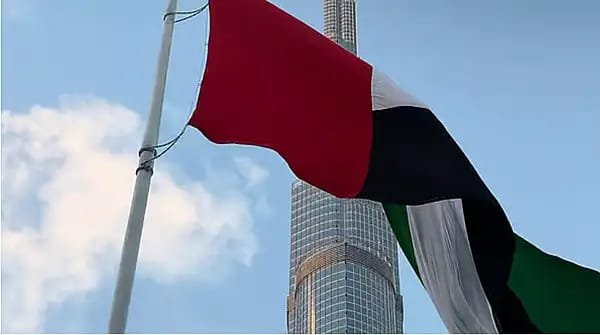
When the air raid sirens finally fell silent over the Gulf and the smoke cleared from Dubai’s glittering financial skyline, the ruling palace in Abu Dhabi wasted zero time pivoting from wartime hawks to pragmatic dealmakers. Five months after enduring nearly three thousand missile and drone assaults during the height of the US Israeli campaign against Tehran, the United Arab Emirates has quietly welcomed back Iranian traders, reopened flight corridors, and revived traditional dhow shipping routes. For a small nation that bore the brunt of the clerical regime’s initial wrath, this swift embrace of detente with its historical adversary is striking. Yet for decision makers and defense planners in Jerusalem, this diplomatic and economic gymnastics routine should serve as a flashing red light. The Emirati approach offers a masterclass in ruthless realpolitik, proving that when survival and petrodollar prosperity are on the line, ideological alignment, shared trauma, and strategic principles are easily tossed aside.
2. Rapid Strategic Pivots and Operational Hedges
To understand why Israel must exercise profound caution in its burgeoning partnership with Abu Dhabi, one only has to look at the sheer speed with which the Emirates rewrote the playbook. In the opening weeks of the conflict, the UAE took the most hawkish stance among its neighbors, unleashing its own air strikes and leaning heavily into its security architecture with Israel and the United States. That cooperation delivered tangible dividends. Israel rushed advanced missile defense systems like the Iron Dome and the Iron Beam to protect Emirati skies, while the Israeli embassy in Abu Dhabi doubled in physical and operational footprint. But the moment Washington brokered a brittle ceasefire and regional pressures shifted, UAE President Sheikh Mohamed bin Zayed al Nahyan deployed his brothers to open back channels with Tehran. The message sent across the region was unmistakable. Abu Dhabi will gladly stand shoulder to shoulder with Jerusalem when bombs are falling, but the second the smoke clears, commerce and self preservation take absolute priority.
3. Commercial Priorities and Foreign Policy DNA
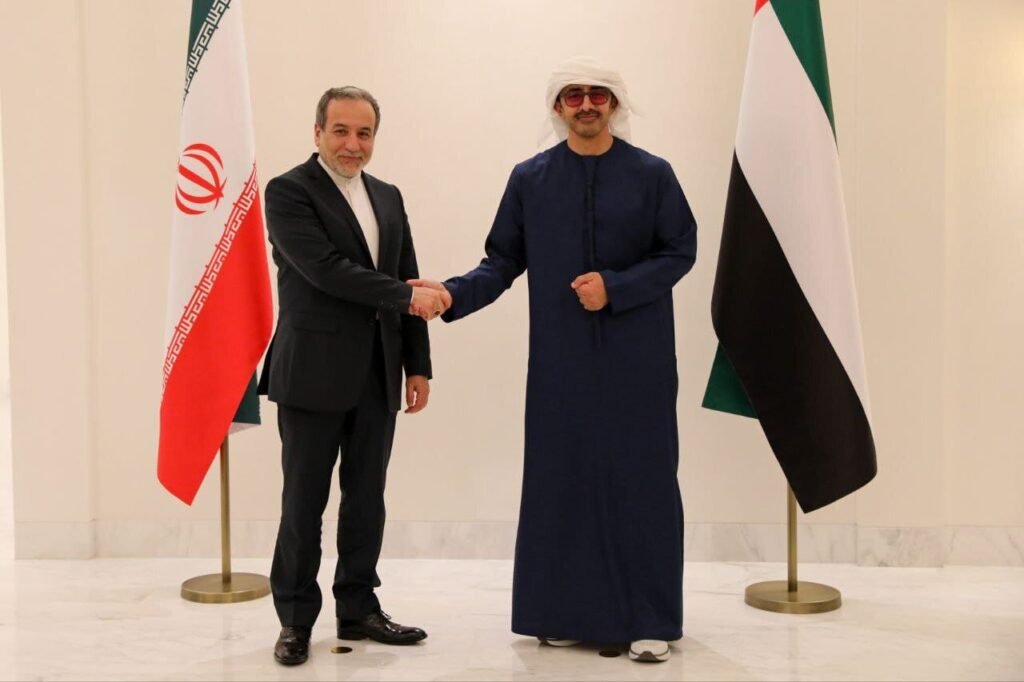
This fundamental transactional DNA means that Israel can never treat the UAE as a traditional, values based Western ally. Emirati foreign policy has always been driven by the cold calculus of safeguarding its status as the pre eminent tourism, trade, and finance hub of the Middle East. When thousands of Iranian residents were permitted to return to the Emirates, and when senior Emirati royals began phone calls with Iranian interlocutors seeking to normalize economic exchanges, Abu Dhabi demonstrated that it is entirely comfortable shaking hands with any regime, no matter how nefarious, if it fills the coffers of Dubai and Abu Dhabi. For the UAE, the ayatollahs are not an existential civilizational threat to be permanently neutralized, but rather a large consumer market, a source of cheap tomatoes, and a noisy neighbor that simply needs to be managed through commercial bribery and diplomatic appeasement.
4. Intelligence Leakage and Defense Vulnerabilities
For Jerusalem, this reality introduces massive strategic vulnerabilities. Israel is locked in an existential struggle against the Iranian axis of resistance, a network dedicated to the complete destruction of the Jewish state. When Israeli intelligence shares sensitive technological advancements or defense capabilities with a regional partner that simultaneously maintains open commercial and diplomatic doors to Tehran, the risk of intelligence leakage grows exponentially. The UAE’s desire to hedge its bets by cultivating simultaneous ties with both the anti Iran coalition and the Iranian regime itself creates an unacceptable grey zone. Sensitive joint ventures in artificial intelligence, advanced tech, and defense logistics could easily find their way through porous economic channels back to Iranian intermediaries or their regional proxies.
5. Two Track Diplomacy and Pan Arab Balancing
Moreover, the UAE has repeatedly shown that its commitment to regional stability is entirely subordinate to its own narrow economic calculations. During previous regional flare ups, including Israel’s campaigns against Hamas and Hezbollah, Emirati officials proved quick to issue sharp condemnations of Israeli military actions to appease domestic and pan Arab audiences, even while quietly maintaining backroom intelligence ties. This two track diplomacy allows Abu Dhabi to have it both ways. They reap the security benefits of Israeli technological prowess and American military deterrence while currying favor with Israel’s worst enemies through economic normalization and diplomatic soft pedaling.
6. Guardrails for Abraham Accords Architecture
Israeli leadership must approach the post war strategic architecture with eyes wide open. The Abraham Accords introduced historic opportunities for regional integration, but they did not transform the Persian Gulf into a zone of shared ideological values. The UAE remains a fiercely ambitious, self interested actor that views international relations through a purely pragmatic lens. While security and intelligence cooperation with Abu Dhabi remains a vital asset in countering immediate threats, Israel must draw hard boundaries regarding technology transfers and joint defense projects. Relying on a partner whose loyalty shifts with the direction of the economic wind is a dangerous gamble. Jerusalem must ensure that its strategic depth is never compromised by an ally whose ultimate principle is profit, and whose hand is always outstretched to the highest bidder, friend and foe alike.