Strategic Analysis of Transnational Ideological Infrastructure and Soft-Power Indoctrination
1. The Classroom as an Ideological Battlefield
When Western security analysts discuss the exportation of radical ideology, their focus almost always lands on paramilitary networks, covert funding channels, or illicit arms shipments. Yet the most insidious ideological expansion occurring today does not arrive in weapon crates. It arrives in backpacks, textbooks, and school uniforms. Across the developing world and inside Western democracies, a quiet war for the hearts and minds of the next generation is underway. The primary battlefield is not a trench or a combat zone. It is the classroom.
2. The Scale and Origins of the Turkish Maarif Foundation
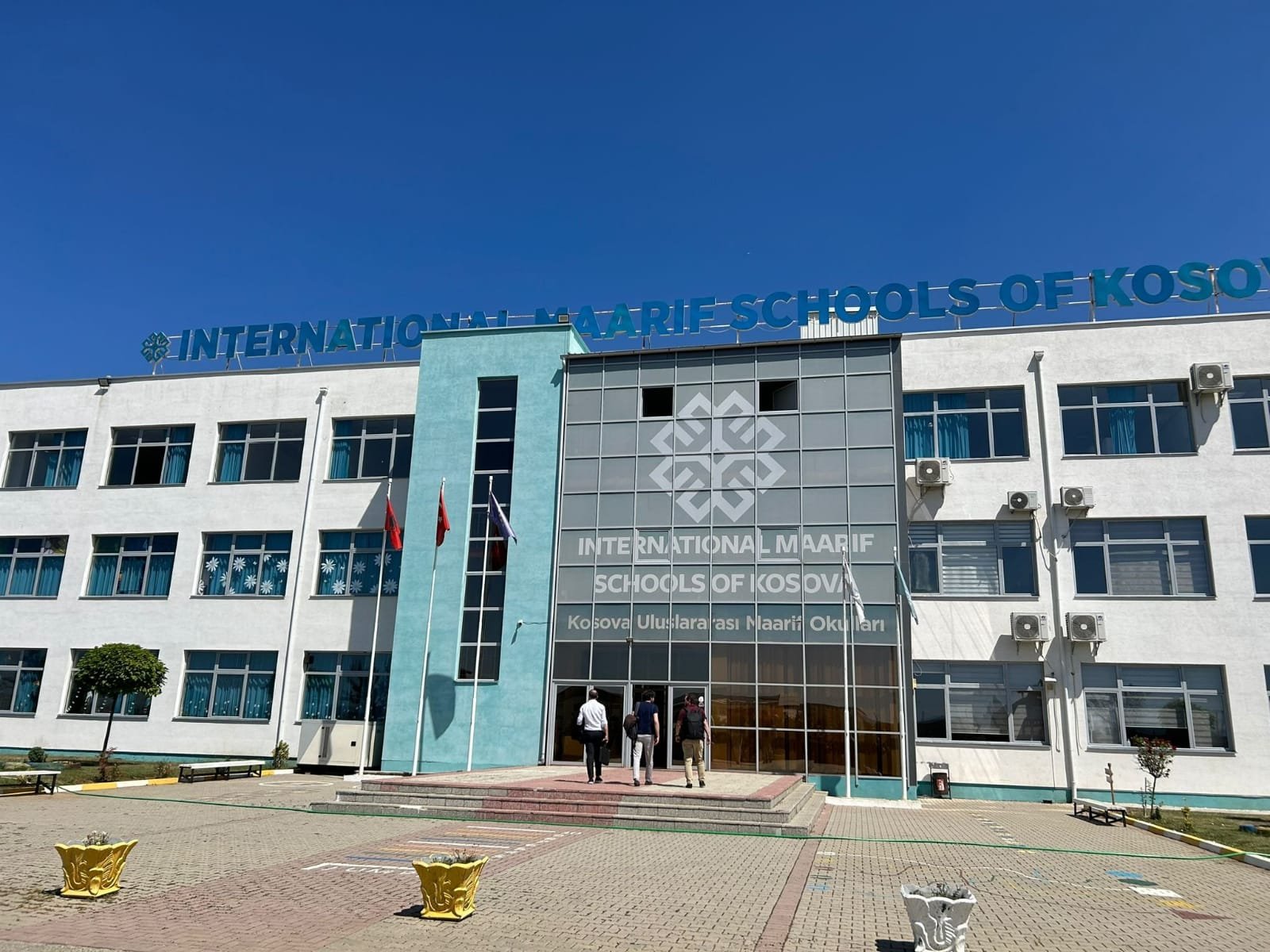
A detailed report released by the Belgium based human rights organization Solidarity with Others exposes the sheer scale of this campaign. According to the investigation, Turkish President Recep Tayyip Erdogan has spent nearly one billion dollars establishing a global school network explicitly designed to export political Islam and hunt down political opponents abroad. The centerpiece of this effort is the Turkish Maarif Foundation, a state backed entity created by Ankara in 2016 following the failed coup attempt against Erdogan’s regime.State funding allocated to the Maarif Foundation has exceeded 27.7 billion Turkish lira, an amount equal to roughly 900 million dollars. Today, the foundation educates around 30,000 students across 34 countries. Behind this polished facade of international educational outreach lies a calculated mechanism of state coercion, intelligence gathering, and ideological indoctrination.
3. Mechanism of State Coercion and Transnational Persecution
The report documents how Turkish authorities have systematically targeted educational institutions previously linked to the opposition Gülen movement. Ankara did not rely on standard diplomatic channels or legal requests. Instead, the Turkish state deployed heavy handed diplomatic pressure, intelligence operations, bilateral security agreements, sudden raids, extrajudicial deportations, and property seizures.Sovereign governments in countries including Afghanistan, Mali, Niger, Sudan, Venezuela, Zambia, and Liberia were coerced into handing over private schools to Turkish state control. To date, this global campaign has resulted in the closure, confiscation, or forced transfer of 162 schools across 29 countries. Maarif has taken direct administrative control of 131 of these institutions, upending the livelihoods and safety of roughly 7,800 teachers and administrative staff. The legal experts behind the report concluded that there is a reasonable legal basis to investigate Ankara’s actions as state sponsored persecution amounting to a crime against humanity under the Rome Statute of the International Criminal Court.
4. The Multi State Apparatus: Iran, Qatar, and Soft Power Strategy
Turkey, however, is not acting alone in this domain. Ankara is simply one component of a broader, multi state apparatus dedicated to financing and spreading political Islam globally. While Turkey focuses heavily on building educational infrastructure in Africa, Central Asia, and Eastern Europe, other regional actors deploy similar playbooks with immense financial backing. Iran and Qatar stand alongside Turkey as the primary financiers of global Islamist movements, with both regimes placing special emphasis on penetrating Western Europe.Doha has spent decades funneling billions of dollars into European universities, mosques, cultural centers, and think tanks. Qatar uses its massive sovereign wealth reserves to present a modernized, English speaking image to Western elites while simultaneously funding Muslim Brotherhood aligned organizations that promote anti secular, hardline Islamist doctrines within European diaspora communities. This dual strategy allows Qatar to buy institutional leverage in Western capitals while cultivating ideological loyalty among local Muslim populations.Tehran operates through a different operational lens but pursues similar long term goals—the Iranian regime uses its state apparatus to fund religious seminaries, cultural institutes, and proxy propaganda outlets across Europe and South America. These institutions serve as forward operating bases for intelligence gathering, ideological recruitment, and the dissemination of anti Western and anti Semitic literature. Although Turkey, Qatar, and Iran maintain distinct geopolitical rivalries and sectarian differences, their underlying strategy aligns seamlessly. Each regime understands that hard military power has clear limits in the modern international system. Soft power, when backed by hundreds of millions of dollars and directed at vulnerable youth, yields far more durable strategic returns. By capturing educational and cultural institutions, these states build self sustaining ecosystems of influence that outlive individual political leaders.
5. Strategic Threats to Israel and Global Institutions
For Israel, this global network of state funded Islamism represents a severe strategic threat that extends far beyond immediate regional borders. The students sitting in Maarif classrooms in Kabul or Bamako, or attending Qatar funded centers in London and Paris, are being conditioned to view the world through a deeply radicalized lens. Curricula shaped by political Islam routinely embed anti Western hostility, rejection of democratic pluralism, and deep seated hostility toward the Jewish state.When these young people grow up to become civil servants, journalists, diplomats, and political leaders in their respective home countries, their foundational worldview will have been molded by regimes that openly seek Israel’s isolation or destruction. The anti Israel bias that frequently manifests in international forums like the United Nations is not an accident of geography or history—it is the direct return on investment for state actors who spent decades funding the educational systems of the developing world.
6. Western Naivety and Asymmetric Threats
Western nations have remained dangerously naïve regarding these soft power initiatives. European capitals often welcome foreign educational investment without scrutinizing the underlying ideology being taught inside those classrooms. Host nations in Africa and South America often cave to diplomatic bullying, prioritizing immediate aid or security concessions over the long term integrity of their national school systems.The findings of the Solidarity with Others report should serve as a stark wake up call. Sovereign states must stop treating state backed educational foundations as benign charitable organizations. When a foreign government uses intelligence services, financial blackmail, and police raids to take over schools and preach fundamentalism, it is engaging in asymmetric warfare.
7. Recommended Policy Countermeasures
Israel and its Western partners must confront this challenge directly. International legal mechanisms, including the International Criminal Court, must be utilized to hold state actors accountable for transnational persecution and illegal property confiscations. Furthermore, Western intelligence agencies must monitor and expose the financial channels that allow state sponsored Islamism to flourish inside democratic societies.The war for the future of the Middle East and the broader West is not being fought solely on conventional battlefields. It is being contested in the classrooms where millions of children learn what to believe, whom to trust, and whom to hate. If democratic nations continue to surrender the realm of education to state sponsors of political Islam, they will eventually find sits facing an ideological wave that no military hardware can contain.