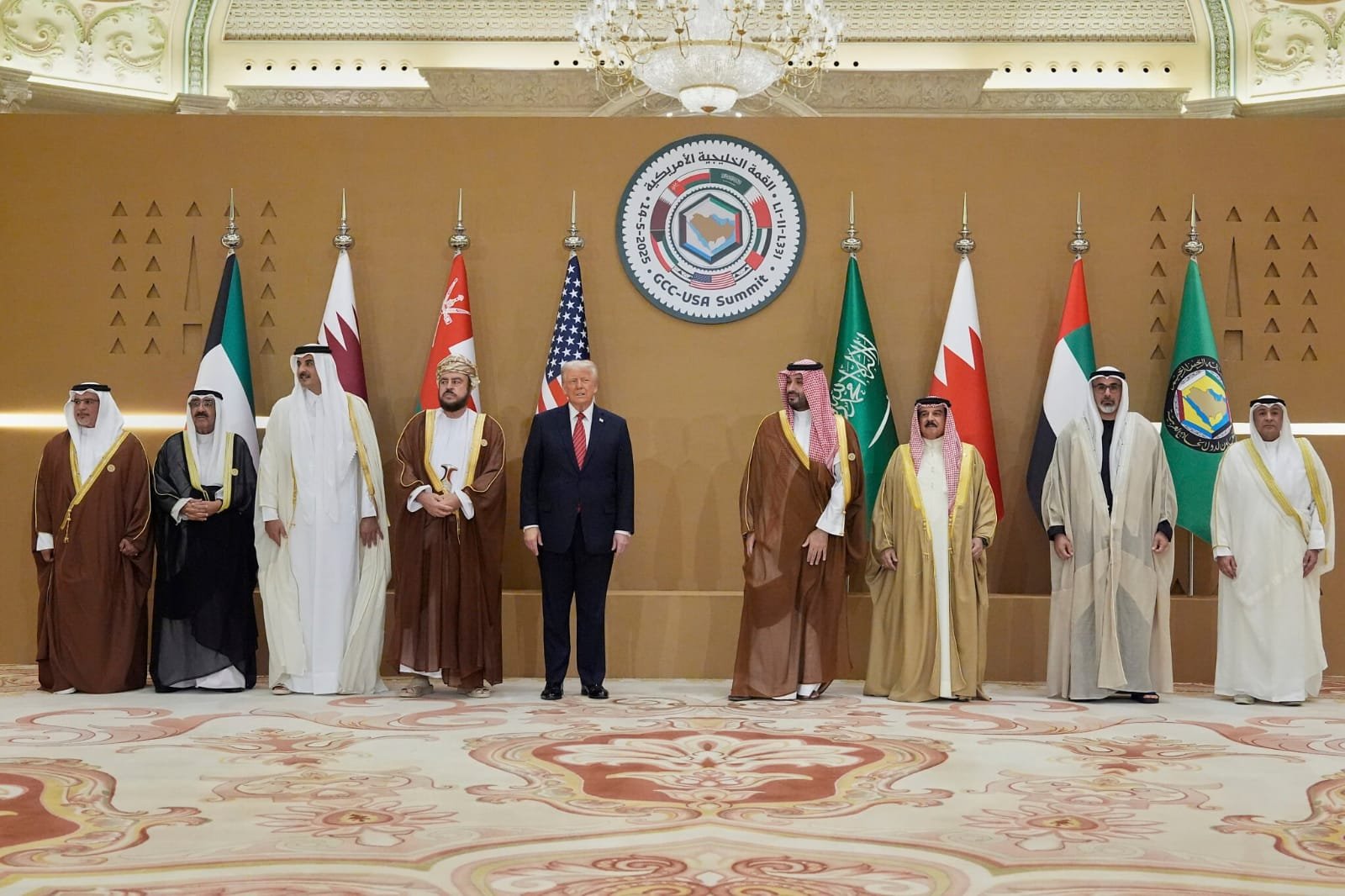
A devastating diplomatic reality is hardening around Jerusalem, and it strikes at the core of Israel’s strategic survival doctrine. For years, Prime Minister Benjamin Netanyahu’s primary selling point to the Israeli electorate was his unmatched ability to manage Washington, navigate the corridors of American power, and bypass regional hostility through direct personal chemistry with conservative leaders. That carefully curated illusion has dissolved. Leaks from the highest echelons of regional diplomacy reveal that Arab leaders are systematically moving to isolate Netanyahu, whispering directly into the ear of US President Donald Trump that the current Israeli government is a direct obstacle to regional peace.
The reports published by KAN News and Haaretz are not mere background noise; they represent a coordinated diplomatic offensive. Senior diplomats from several moderate Arab states have privately urged Trump to reconsider his blanket endorsement of Netanyahu. Their message to the White House is as unified as it is chilling: Jerusalem has become the premier impediment to the administration’s grand diplomatic ambitions for a post-conflict Middle East. This is a profound shift in the regional chess game. Arab capitals are no longer just criticizing Israel in public to satisfy their domestic streets; they are actively lobbying our most critical superpower patron to help orchestrate a change in leadership in Jerusalem.
To understand why this offensive is working, one must understand the transactional mind of Donald Trump. The American president is consumed by a desire to secure monumental, historic regional arrangements, notably a grand bargain involving a final diplomatic settlement with Iran and the expansion of normalization frameworks. Trump views foreign policy through the lens of the deal. He has no patience for ideological rigidity or protracted, open-ended conflicts that threaten to drag American capital back into the Middle Eastern mire.
Netanyahu’s insistence on pursuing maximum military objectives without a clear, US-approved exit strategy is increasingly viewed by the White House not as a legitimate act of national self-defense, but as stubborn obstructionism. Trump’s own public statements have grown sharp and revealing. While maintaining that he will probably support Netanyahu, he immediately followed that lukewarm praise with a blunt, public warning: “I have a good relationship with Bibi, but he needs to be more rational”. In the vocabulary of Donald Trump, labeling an ally as irrational is the administrative equivalent of putting them on probation.
The Arab leaders are playing onto this growing frustration with masterclass precision. They understand that Trump views the new Iranian leadership as professional, smart, and more rational actors with whom he can sign a historic pact. By contrasting their own pragmatism and Iran’s sudden diplomatic compliance with Netanyahu’s rigid security demands, moderate Arab regimes are successfully shifting the blame for regional instability away from Tehran and squarely onto Jerusalem. They have diagnosed Trump’s impatience and are feeding it exactly what it wants to hear: if you want your historic Middle East legacy, you need a different partner in Israel.
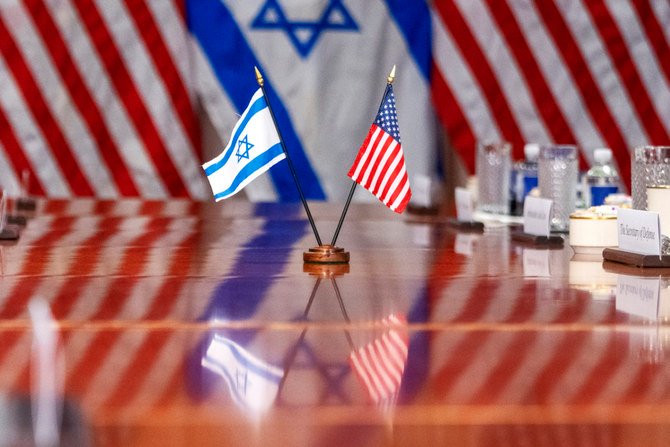
This external squeeze arrives at the worst possible moment for Netanyahu, as Israel hurtsles toward a critical general election on October 27. The confluence of international isolation and domestic exhaustion has created a perfect political storm. Recent polling indicates that the current governing coalition would collapse to forty-eight seats, while an opposition bloc led by Gadi Eisenkot’s Yashar party would sweep to a clear majority of sixty-two mandates. The Israeli public is experiencing a profound fatigue, tired of a government that seems to prioritize its internal political survival over the long-term strategic health of the state.
The most damning indicator of this domestic shift is the total collapse of the ultra-Orthodox political leverage, with eighty-three percent of Israelis now opposing their inclusion in any future government. Confronted with the immense burden of years of military mobilization, the secular and traditional mainstream has revolted against the status quo of unequal service. In an extraordinary twist, seventy percent of voters now favor bringing an Arab party into the coalition over the Haredi factions. The traditional taboos of Israeli politics have been utterly inverted. The public is actively searching for a pragmatic, functional leadership that can heal domestic fractures while restoring our fractured global alliances.
Trump is fully aware of these domestic dynamics. His administration is no longer hiding the fact that they are actively looking at the broader field of candidates and weighing their options before making a final endorsement. By publicly stating that he needs to see who is running, Trump has effectively stripped Netanyahu of his most potent campaign asset: the guarantee of exclusive, unfettered access to the leader of the free world. The White House is signaling to the Israeli electorate that a vote for Netanyahu is a vote for continued friction with Washington.
Israel cannot afford to ignore this warning. Our security architecture is deeply dependent on American diplomatic coverage, intelligence sharing, and military resupply. Operating under the assumption that a Republican president will always back Jerusalem regardless of the strategic cost is a dangerous, obsolete delusion. The America First doctrine is inherently transactional. If Israel is perceived as a liability that hinders American global interests rather than a strategic asset that advances them, the protective umbrella will begin to fold.
As the October election approaches, the true debate facing the country is not about right versus left. It is a fundamental choice between isolation and integration. Israel must decide whether it wants to remain stuck in an ideological fortress, fighting its battles entirely alone while alienating both its Western patrons and its regional partners, or transition to a leadership that can translate our immense military achievements into a stable, sustainable regional architecture. If we do not choose a more rational path ourselves, our allies and our neighbors will happily make that choice for us.