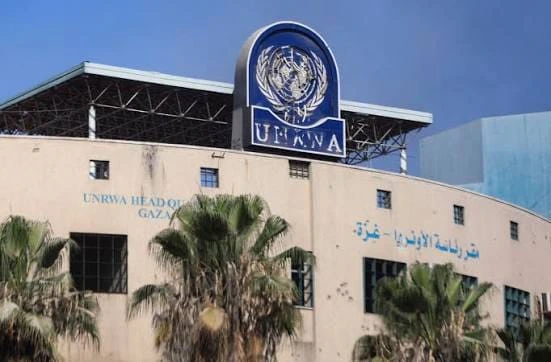
Calls from within Gaza urging Israel to lift its ban on the United Nations Relief and Works Agency for Palestine Refugees are getting louder and more urgent. It is time for Jerusalem to give these pleas real consideration. Those supporting a reversal argue that Prime Minister Benjamin Netanyahu and the Knesset need to bring back cooperation with the agency, let Gazans return to work, and even consider restoring some Israeli funding to keep critical humanitarian aid flowing. Voices from Gaza’s schools, including seasoned educators who have spent years working for human rights and Holocaust remembrance, all while denouncing the October 7 attacks, are speaking out. That kind of moral clarity is not often heard from inside the Strip. Israelis owe it to these principled teachers to respect their good faith and recognize their care for innocent children. Still, empathy for decent people cannot replace a firm, honest look at why UNRWA failed so badly, and why rebuilding Gaza should mean replacing, not rescuing, the agency.
Back in October 2024, the Knesset overwhelmingly voted to kick UNRWA out of Israeli territory and cut off official ties. That decision was not made out of spite, as it was based on tough security facts. For years before October 7, Hamas had been slowly gutting UNRWA’s operations in Gaza, using its schools, clinics, and warehouses as fronts for their own military needs. Israeli intelligence and the UN’s own investigations proved that UNRWA employees directly took part in the October 7 violence, with hundreds more shown to have links to Hamas and Palestinian Islamic Jihad. Israeli troops even found a major Hamas data center hardwired to UNRWA’s headquarters in Gaza City. When an organization’s staff and facilities are compromised on that level, claiming to stand as a neutral bridge to peace rings hollow.
But there is a bigger problem here than just a security breakdown, as it is baked into UNRWA’s original mission, set back in 1949. Look at the United Nations High Commissioner for Refugees: they resettle displaced people, help them build new lives, and move toward stability. UNRWA, by contrast, lets refugee status pass from parents to children, generation after generation. In Gaza, more than 1.6 million registered refugees are packed into eight camps that have long ago blended into the urban sprawl, but the agency keeps millions stuck in permanent limbo. The textbooks in UNRWA schools leave Israel off the map and praise armed resistance, undermining the very human rights values that so many well intentioned teachers work to instill. If Israel lifts the ban and even funds UNRWA again, it is basically being asked to underwrite an institution founded on denying Israel’s legitimacy.
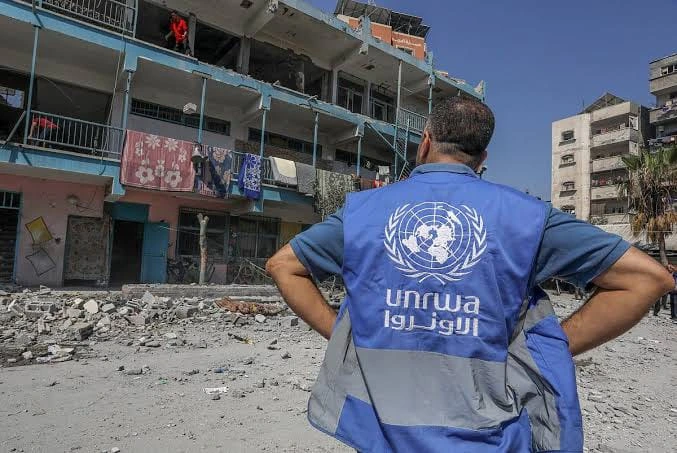
Critics of the UNRWA ban have their own reality check to face, though. It is easy, almost too easy, to ban an agency. Building something better to take its place is a lot harder. Before war broke out, UNRWA had roughly 13,000 staff in Gaza, teaching nearly 300,000 kids and providing basic healthcare and food for more than a million people. Two years after that Knesset vote, Gaza is stuck in a shaky limbo. Big international recovery plans, like the Board of Peace transition, have gotten bogged down. That leaves hundreds of thousands of displaced people scraping by on makeshift aid, while Hamas uses the disarray to claw back power. Closing down schools and clinics has not made Israel safer, as it only sets up a new lost generation, left wide open to radicalization.
There is no denying the basic truth here: economic stability, education, and lasting security are all deeply connected. Israel cannot just wall itself off from its two million neighbors and hope for peace. Letting Gazans work, getting classrooms running again, and making sure healthcare is available, these are the cornerstones of any lasting order after the war. Where return to UNRWA proposals miss the mark is in thinking that a tainted agency is the only way forward.
If Israel is serious about helping Gaza’s children, the answer is to set up aid and education programs that are transparent and accountable, free from Hamas’s grip. Agencies like the World Food Programme, UNICEF, and the World Health Organization, teamed up with a trustworthy Palestinian administration and international partners, can get food, medicine, and schooling to those who need it, without keeping old grievances alive. As Israeli leaders debate which path to take, now is the moment to say no to resuscitating UNRWA. The real step forward is pairing the ban with real investment in a credible, civilian alternative, one that actually gives Gazans hope for normal lives and keeps Israelis secure for good.
About the Author
Israel Dispatch provides authoritative, non partisan analysis on Israeli security, political dynamics, regional geopolitical shifts, and sovereign foreign policy.