
By Eitan Levi
The debate around Israel’s global reputation and public diplomacy what we call hasbara here has reached a boiling point since the November 2026 elections. Right now, Benjamin Netanyahu, still the caretaker prime minister, is desperately trying to hang onto power, clinging to any leverage he has left. Meanwhile, Gadi Eisenkot, the opposition leader, is carefully trying to piece together enough support to form a new government, even as the political math keeps shifting beneath his feet. Foreign policy commentators have not held back their judgment of the outgoing administration. In a particularly scathing piece for The Jerusalem Post, Sebastien Levin wrote flat out that if Israel’s reputation abroad is in ruins, Netanyahu is in a class of his own when it comes to self inflicted damage. For Israelis already worn out by a grueling multi front conflict and economic blows, it stings even more to realize that our own leadership has become the strongest weapon in our opponents’ arsenal.
The numbers spell it out this is not just a feeling. Poll after poll shows that Israel’s image in the U.S. has sunk to its lowest point ever. Now, about six in ten Americans view Israel unfavorably. And the support we once took for granted from American Jews? That is all but evaporated; Netanyahu’s approval among them barely reaches 20 percent. The strategy he has followed for years tying Israel’s fortunes tightly to America’s Republican right has come back to bite us. It has not just alienated one side of the aisle; even Republicans are starting to signal a shift. People like Vice President JD Vance now openly talk about moving toward a colder, more transactional relationship no more open promises or “blank checks.” When the main backer starts to see the alliance as more trouble than it is worth, the very foundation of our security starts to shake.
But honestly, the blows doing the most damage do not just come from the U.S. a lot of them are self inflicted right inside our own Knesset. What always set Israel apart in the global legitimacy wars was our vibrant, open society. No matter the background, people here vote, serve, and participate fully in civic life. Our whole national story, from the 1948 Declaration of Independence onward, promises social and political equality to everyone, no matter their religion or ethnicity. Lately, though, Netanyahu has tossed that aside. After the muddled election, his speeches in the Knesset have spun further out of control throwing out wild claims of voter fraud and painting Israel’s two million Arab citizens as some kind of illegitimate political force. To say that a government including Arab parties “means the end of the state” is to throw the entire promise of Israeli democracy under the bus at least for anyone who is not Jewish.
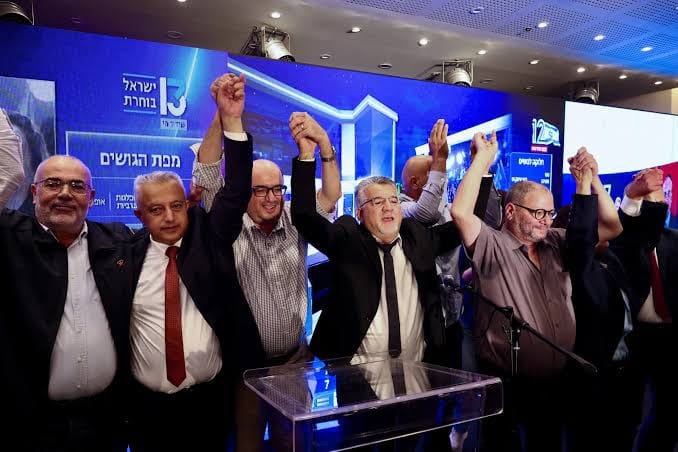
This kind of rhetoric is basically a gift to Israel’s harshest critics. These days, people accusing Israel of apartheid or discrimination do not have to dig for dirt or distort things they just quote our own prime minister. When a leader chasing his own survival is willing to trash the myth of equal citizenship, it hands ammo to every anti Israel protestor, campus activist, and foreign tribunal out there. It is brutal irony: the man claiming to defend Israel at any cost has managed to erode the very moral standing that used to keep the world on our side.
Layer on top of that Netanyahu’s recent security decisions. In a last ditch effort to change the conversation at home, he has gone so far as to push for aggressive military action against Iran, sidestepping all the legal and strategic limits on a caretaker government. Luckily, Eisenkot and Avigdor Liberman have stepped in, pushing back on moves they see as dangerous overreach. Eisenkot’s track record is solid and measured not given to the kind of political theatrics Netanyahu now leans on. He gets that the way back to international respect is not through saber rattling, but by doubling down on steady diplomacy, mending fences at home, and restoring trust in Israel’s core institutions.
There is no hiding from it: the next Israeli government has a huge job ahead. It is not about who grabs what cabinet post or how the coalition math shakes out there is a much more urgent need to patch up our foreign relations and reaffirm the values that actually hold us together as a country. If we keep letting partisan desperation and extremist stunts drive national policy, no amount of clever hasbara or slick PR will pull us back from the brink. At the end of the day, it is not just enemies across the border who threaten us the real danger comes from leadership that is willing to hollow out our democracy for the sake of political survival. If that continues, we will not need outside enemies to do us in; we will have managed it ourselves from within.
About the Author
Eitan Levi is a Security and Geopolitical Analyst with expertise in Israeli defence strategy, Iran’s regional operations, Middle Eastern power rivalries, and Israel’s security partnerships.