
By Noam Shalev
After the Republican Party took a beating in the November 2026 midterms, handing Democrats control of both houses, Washington erupted into a classic blame game. Instead of dealing with the real domestic screwups that pushed working class and independent voters away, top Republicans reached for one of their favorite escape routes, blame foreign policy, and let Israel take some heat. For Israelis watching the finger pointing fly out of the White House, it’s hard not to see this as both misleading and dangerous.
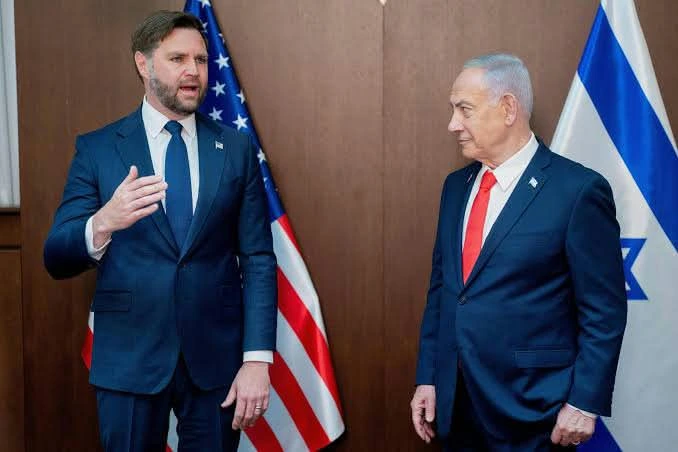
You could hear it straight from President Donald Trump as he spoke in post election appearances. He admitted, pretty bluntly, in fact, that voter anger over the war with Iran and rising gas prices hurt Republicans. But almost immediately, he pivoted, saying there was “a great dislike, incredibly, for Israel” lurking among parts of the electorate. Vice President JD Vance wasn’t shy either. He dumped most of the blame on “the war” in a lengthy social media rant, and went so far as to say the GOP could lose the Senate for six long years. He ticked off four things he claimed would win back lost Trump voters: halt the Iran conflict, fix inflation, go hard on “America First,” and rethink America’s stance on Israel.
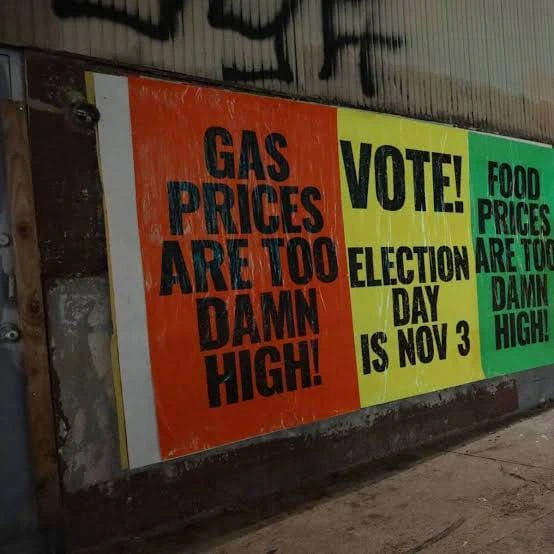
But the numbers just don’t add up. Take a close look at national exit polls, and you’ll see Israel barely moved the needle. Most voters didn’t head to the polls raging about the U.S. Israel relationship; what really set them off was the mess at home. According to voter surveys, a whopping 55 percent called government corruption crucial, and another 36 percent said it was a major factor. Right behind that, living expenses. Nearly half of voters ranked cost of living as crucial, and another 40 percent saw it as a major worry. So when you look at the data, it’s clear: people wanted someone to clean up corruption and fix the economy. News coverage after the election, including reporting from the Associated Press, didn’t mince words; Americans saw the administration as more interested in personal profit, crypto gigs, donor favors, and glitzy White House renovations than actually helping families who were hurting at the grocery store or the gas station.
Now, the war with Iran definitely weighed on voters, 34 percent called it crucial, with another 40 percent listing it as a major factor. Since joint strikes against Tehran started in February 2026, Iran’s blockade of the Strait of Hormuz, where nearly a fifth of the world’s oil passes, sent crude prices soaring past $120 a barrel just before Election Day. That was a gut punch for American wallets, plain and simple. But all that pain is a product of decisions made in Washington. Israel didn’t promise American voters an end to U.S. military adventures, nor did it dictate White House war strategies or tariffs. Australian Jewish journalist Adam Slonim summed it up well in The Jerusalem Post: Trump lost not because Israel was on the ballot, but because his own record was.
Vance’s eagerness to pin the loss on the alliance with Israel doesn’t just reflect tactical post election messaging; it’s all about positioning himself for a possible run at the presidency in 2028. By questioning the long standing support for Jerusalem and distancing himself from a drawn out conflict, he’s speaking to the isolationist crowd inside the GOP, folks who’ve grown suspicious of foreign alliances. But scapegoating Israel comes with serious risks. Calls to cut off U.S. military aid, coming from both isolationist Republicans and progressive Democrats, plus House Democratic Leader Hakeem Jeffries demanding massive changes to assistance, threaten the regional deterrence that safeguards American interests in the Middle East. Experts at the Hudson Institute point out that as Washington looks to keep its own troops out of the region, a strong and capable Israel becomes absolutely essential for containing Iran and securing global shipping routes.
Still, Israel can’t afford to tune out the signals coming from America. Pew Research and other polling groups have highlighted a troubling generational split, Americans under 35 have far more sympathy for Palestinians, fueled by years of conflict in Gaza. Netanyahu’s hard nosed approach and partisan moves in Washington have shredded the bipartisan support Israel used to enjoy, making it tougher to rally younger voters and moderate Democrats. Ignoring these shifting attitudes is only asking for trouble.
But recognizing Israel’s growing image problem in the U.S. is not the same as accepting blame for an American election flop. Politicians who lose elections always face a choice: look in the mirror, or point fingers. By targeting Israel and glossing over voter outrage about corruption, inflation, and botched war strategy, Trump and Vance are basically exporting their mistakes. For Israel’s new leaders, the message couldn’t be clearer: rebuild bipartisan support in Washington fast, and don’t let yourself become the scapegoat for American political stumbles.
About the Author
Noam Shalev is a Political Affairs Commentator covering Israeli government policy, US-Israel relations, coalition politics, and diplomatic engagement across the Middle East.