
By Eitan Levi
The live television announcement sent an almost physical jolt through Jerusalem’s halls of power. No one in Israel’s leadership circles, especially in the Foreign, Defense, and Finance Ministries, expected US President Donald Trump to suddenly announce the end of American military aid in 2026, two years earlier than the long standing agreement set by the 2018 Memorandum of Understanding, which was supposed to last until 2028. This dropped like a bombshell. Generals, diplomats, and budget officials all found themselves scrambling within minutes, as the news threatened to topple years of carefully calibrated defense planning.
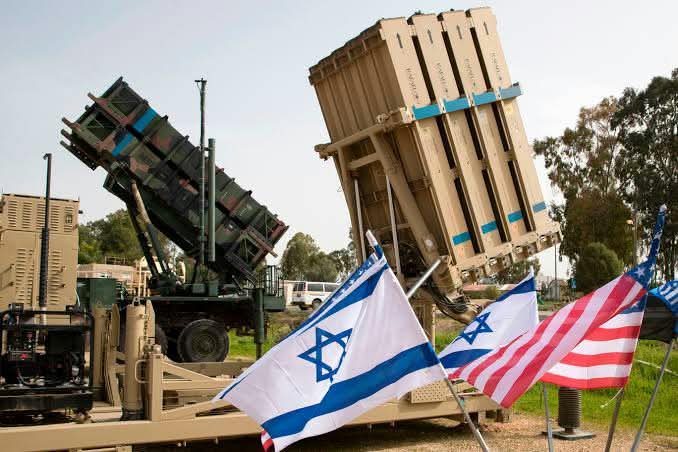
For generations, US foreign military financing has been the backbone of Israel’s national security strategy. The ten year deal signed in 2018 under the Obama administration was not just paperwork; it guaranteed Israel 3.8 billion dollars every year in military support. Everyone involved in Israel’s defense budget has treated this as more or less untouchable. With those funds in hand, Israel’s defense establishment could make long term purchases: next gen F 35 stealth fighters, upgraded F 15 strike aircraft, advanced helicopters, and the interceptors that make up their layered air defense. Every shekel spent, every weapon system ordered, came after running the numbers against this steady American stream.
Trump’s move yanks that financial underpinning away, two full years early. Military planners were already counting on 8 billion dollars in US support for the 2027 and 2028 cycles alone. That is over 24 billion shekels evaporating, almost overnight. To put it in perspective, the defense budget, which used to be around 60 billion shekels in calmer times, has already exploded to 143 billion, just to keep operations running on at least seven different frontlines. The country is already digging deep to keep up with the pace and intensity of current threats.
This sudden shortfall jams a wrench into the gears of Israel’s entire military procurement system. Just recently, after a bruising debate in the Knesset, officials hammered out a plan for 15 billion shekels in new spending, a delicate balance of needs and resources. Now, the government faces a stark choice: either scrounge up an additional 24 billion shekels from somewhere, which likely means slashing through essential civilian services like health and education, or delay critical arms purchases, basically telling the military to do more with less. Neither path comes without pain.
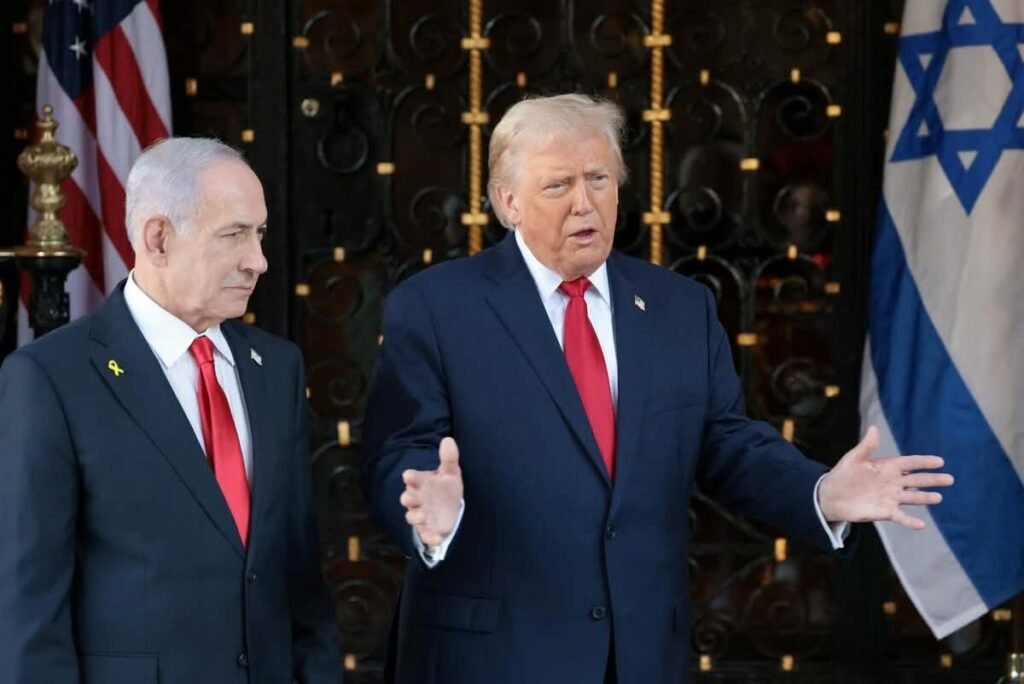
And all this upheaval is tangled up in politics. Trump claimed live on television that this abrupt cutoff was not just his idea; he said he had coordinated directly with Prime Minister Netanyahu. That set off a fresh round of rumor and anxiety: did Netanyahu go behind the backs of his cabinet, the IDF chief, even top Mossad officials? Israelis are no strangers to secretive high level foreign policy decisions. Big moves, think the Abraham Accords or secret naval deals, have been carried out in small political circles before, leaving the rest of the security establishment in the dark. Some believe Netanyahu’s closest advisors floated the idea of an early exit to win points with Washington, only for the Americans to go public before Israel was ready.
There is a real debate about whether an early end to American aid is even wise. Supporters see it as the inevitable next step, a chance for Israel to mature into true military independence, free from any strings, real or perceived, tied to Washington. For them, replacing grants with normal arms deals and joint research ventures is proof that Israel can stand on its own. But outspoken critics warn that ending aid now, while Israel is still fighting on multiple fronts, is reckless. They argue it signals vulnerability, inviting enemies to test Israel’s resolve just when it can least afford it.
Right now, no one is quite sure if Trump’s bombshell represents a real, final policy change or just another spontaneous public statement. But the silence from the Prime Minister’s Office has only heightened the anxiety. For military leaders, uncertainty is a nightmare. Sourcing advanced weapons, funding joint research with the US, and maintaining emergency munitions stocks all take years; contracts and timelines cannot just pivot on a dime because of political theater.
This moment truly tests how much financial risk Israel can shoulder on its own. People have talked for years about the eventual day when aid would vanish, but they always assumed there would be a plan. Now, with the regional climate more dangerous than it has been in decades, losing the safety net with no warning turns a slow transition into a crisis. As things move forward, Israel’s leadership has to nail down hard numbers and secure as much financial predictability as possible. In this environment, unpredictability is not just inconvenient; it could be fatal. Jerusalem has zero margin for fiscal guesswork, not with stakes like these.
About the Author
Eitan Levi is a Security and Geopolitical Analyst with expertise in Israeli defence strategy, Iran’s regional operations, Middle Eastern power rivalries, and Israel’s security partnerships.