By Noam Shalev
Whenever Western news outlets talk about the fallout from the regional conflict with Iran, they zero in on how American politicians are paying the price. You hear it all the time, pundits on TV, columnists in major papers, framing the standoff as a headache for President Trump. Gas prices go up, they say, and suddenly voter frustration becomes the big story heading into the United States midterms. But there is something big missing, a crucial angle that is all but invisible in the main American newsrooms. While headlines are full of complaints about higher gas prices and political drama, they are almost silent about one clear fact: Iran’s government is actively manipulating energy markets to create chaos in Washington.
Look at the numbers, they are plain as day. In January 2026, before things got ugly in February, regular gas in the United States was going for about $2.80 a gallon. By October, when tempers started to fray and voters felt the crunch, it shot up to more than $4.30. For anyone heading to the polls, energy costs were not some distant annoyance, they became the top concern. And let us be honest, this spike did not just happen because of random turmoil overseas. This pain at the pump was the result of a deliberate strategy, the Islamic Revolutionary Guard Corps weaponized oil prices for maximum political effect.
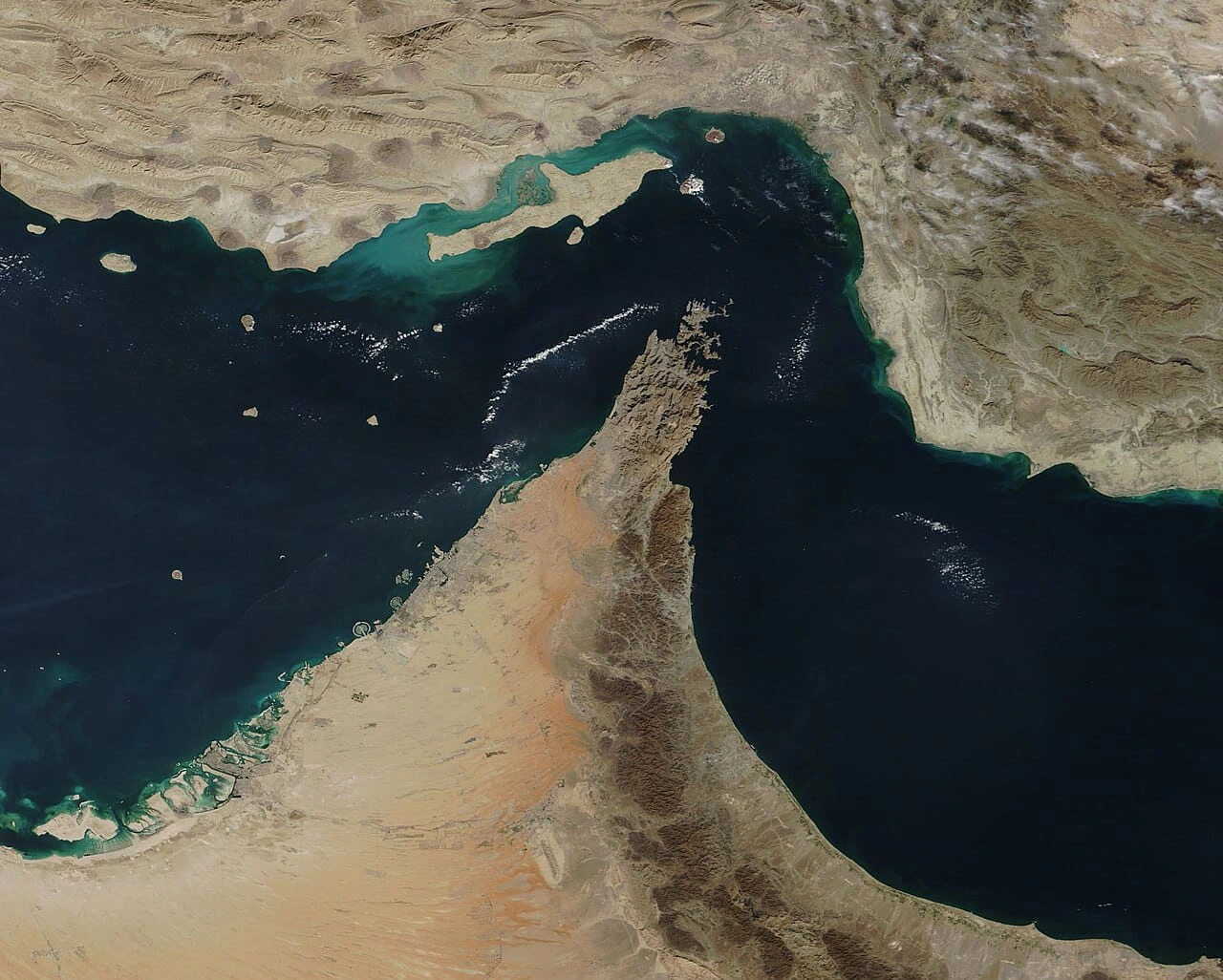
It is not just speculation, either. On October 14, Reuters dropped a major story. Two top Iranian officials basically admitted their government had shifted tactics in the Strait of Hormuz, stepping up attacks to keep crude prices soaring. The plan was not guesswork, it came straight from Iranian leadership. Their goal? Prevent the United States administration from getting a grip on prices before the midterms, and push American voters toward candidates less likely to face off with Iran.
But here is where things get strange: you would not know any of this if you depended on the major outlets, CNN, The Washington Post, MS NOW, The New York Times. They did not just gloss over Iranian admissions; they ignored them completely. When Iranian forces sank two commercial ships in mid October, newsrooms covered the drama and price spikes, but left out the fact that Tehran had a clear political motive. Instead of telling Americans that Iran was messing with their wallets to tilt the elections, coverage got watered down to economic jitters or the usual war updates.
This is not a harmless oversight, it is a serious failure. When President Trump went public in September, warning Iran was actively trying to interfere in the midterms, media outlets dismissed it as mere campaign talk. And when the Revolutionary Guard’s spokesperson, General Hossein Mohebbi, told Americans to protest United States foreign policy, it got brushed off as propaganda. Even after maritime analytics firm Kpler found Iran was ramping up attacks to spike prices, big networks quoted their findings but left out the official confessions from Iran itself.
Now, for Jerusalem, this kind of media blackout has huge consequences. Israel is locked in a life or death fight with the Iranian axis. Israel’s long term survival depends on strong, clear eyed American leadership, leaders who actually see what Iran’s regime is doing. When Western media buries evidence of Iran’s economic warfare, it shields Tehran from public scrutiny. And by hiding the truth that Iran is using oil prices as a political weapon in America, these newsrooms, wittingly or not, end up helping an aggressive rival in its psychological and economic offensive.
It is not just about ships or headlines, either. Digital warfare is happening at the same time. Just as Iranian missiles were landing near shipping routes, social media giants shut down over 13,000 fake accounts tied to Iranian, Russian, and Chinese influence operations. Sure, Western media often talks about online propaganda, but somehow, the direct economic sabotage, like blowing up ships and spiking fuel costs, is not treated with the same urgency. Yes, cyber campaigns twist online debates, but sinking real ships has real consequences, it chokes off global supplies, forces up the cost of living, and makes ordinary people hand over more money to a hostile foreign regime.
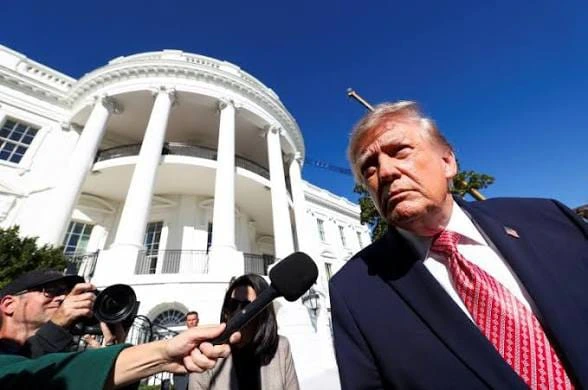
So what is really going on with the news? The choice not to spotlight Iran’s own admissions raises tough questions about bias and priorities. By spotlighting United States politicians and shrugging off the foreign meddling behind the crisis, Western media leaves Americans with a twisted view. People think their pain at the pump is all about domestic policy when, in reality, it is the result of targeted hybrid warfare from a regime looking for nuclear dominance.
Information matters now more than ever, it is a battlefield in its own right. American voters deserve to know who is making their lives harder, and why. Israel needs the world to see Iran’s regime for what it is: a destabilizing force, happy to use blackmail, chaos, and covert tricks to bend Western democracies. As long as major news outlets keep hiding Iran’s open admissions, they are failing their responsibility, and in the end, they are weakening the resolve we need to push back against state backed aggression.
About the Author
Noam Shalev is a Political Affairs Commentator covering Israeli government policy, US-Israel relations, coalition politics, and diplomatic engagement across the Middle East.