
1. Miraculous Survival and Immediate Heroism
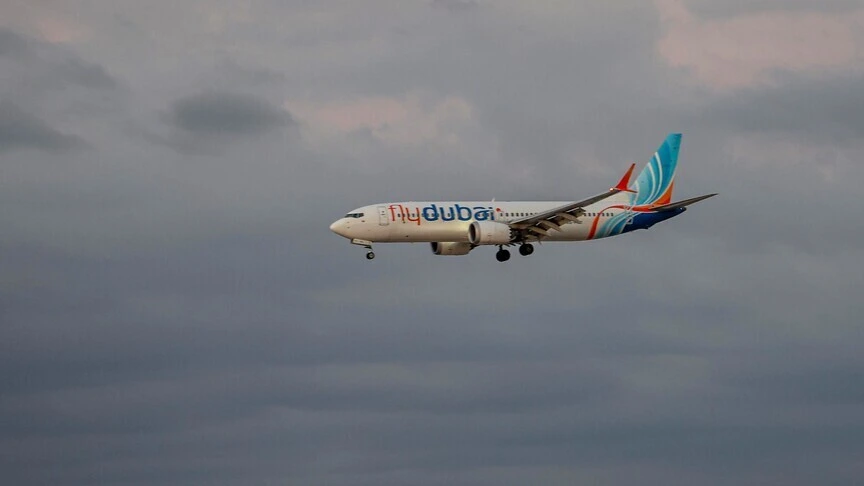
When disaster comes close but doesn’t quite hit, people breathe out, and then, weirdly, they start to forget the lesson. That sense of relief can quietly turn into a dangerous kind of shrug. The survival of all 174 passengers on flydubai Flight 1073 last September 30th was downright miraculous. It’s hard not to feel proud, sure. But as the story unfolds, about how First Officer Hamam al Hammami, an Omani national fueled by radical motives, attacked Captain Smit Machchhar with a cockpit axe and sent the Boeing 737 hurtling toward the ground, we can’t just pat ourselves on the back and move on. There’s a tougher conversation waiting.
The incredible bravery of Israelis on board is worth celebrating, no question. People like Tzvika and Tali Manes, Yaniv Hayun, Dr. Shota Musayev, and Asaf Rajuan stepped up when it mattered most. They busted into the cockpit, tackled the attacker, and helped steady the aircraft while the wounded captain kept fighting for control. That wasn’t luck, it was guts, clarity, action. But let’s be real: being heroic in the moment can’t excuse the serious gaps that put them in danger in the first place. Ordinary citizens shouldn’t be the last line of defense in midair.
| Critical Reflection “Ordinary citizens shouldn’t be the last line of defense in midair. Being heroic in the moment can’t excuse the serious gaps that put passengers in danger in the first place.” |
2. Institutional Bureaucracy and Vetting Gaps
So here’s the blunt question the Israeli defense and transportation authorities need to answer: how did a radicalized pilot get assigned to fly a commercial jet into Ben Gurion Airport with nobody in Israeli intelligence flagging it? Who missed what? And why? You don’t need to be an expert to see that something’s broken.
This incident pulls back the curtain on a vulnerability that’s been growing for years. Since the Abraham Accords, regional cooperation has exploded. Flights to, from, and over Israel are now routine for vacationers and businesspeople. But it seems like the rush to connect neighbors outpaced the systems meant to keep those flights safe. Security rules aren’t moving as fast as the politics.
Israeli agencies like Shin Bet do a decent job vetting crews for domestic airlines, El Al, Arkia, Israir, but planes operated by foreign airlines are tricky. Rules say pilots from hostile countries (or places with no diplomatic ties) shouldn’t land in Israel. But foreign carriers often have multi national crews, and if someone’s holding dual citizenship or a passport from a “third” country, they sneak right past the checkpoints. So, the system is full of holes.
When the crisis hit, Transportation Minister Miri Regev quickly dodged responsibility. She pointed at intelligence agencies, saying her ministry isn’t a security arm. Her office notes that over 120 foreign airlines fly to Israel, making checks on every pilot nearly impossible for the transport officials. At the same time, security agencies claim they can’t monitor employees working outside Israel. So it’s a cycle, everyone’s passing the buck. And when the stakes are this high, that’s not just frustrating, it’s dangerous.
There are laws in place: since 2023, airlines have to send crew manifests to the Israel Tax Authority and share them with intelligence units like Mossad, even before takeoff. But getting a list means nothing if nobody combs through those names, cross checking against terror watchlists or looking for mental health red flags. It’s pointless paperwork without somebody doing the hard work between planes and borders.

3. Systemic Threats and the Imperative for Reform
Seen in the bigger picture, the system’s failure looks even worse. Israel has always believed that layered air defenses and strict perimeter controls would block airborne threats. Flight 1073 proved otherwise, a hijacked jet piloted by a foreigner is basically an “insider” intruder, sailing right past those defenses until it’s almost too late. If the passengers hadn’t jumped in during those terrifying two minutes as the plane dropped thousands of feet above Jordan, the air force would’ve been cornered: either shoot down a plane full of Israelis, or let it crash into Tel Aviv, possibly hitting a skyscraper or the airport itself.
Afterwards, the Prime Minister’s Office promised change. They said Israeli security would know every foreign pilot coming into the country. But promises don’t fix cracks. Real improvement needs immediate, concrete steps.
Israel needs a centralized Aviation Threat Assessment Center that draws together experts from Shin Bet, Mossad, Civil Aviation Authority, and Transportation Ministry with the single mission to clear every foreign crew manifest before any plane points toward Tel Aviv. Additionally, Israel must lean on diplomatic relationships to require that all foreign airlines flying to Ben Gurion follow strict vetting for their crews, especially pilots from high risk or non signatory countries, pulling landing rights immediately if an airline won’t comply. Finally, defense planners need to wake up to how much things have changed, recognizing that commercial flights crossing Middle Eastern skies are now prizes to extremists and radicals looking for chaos.
Depending on passengers to save the day isn’t a strategy, it’s desperation. On October 7, 2023, civilians took up arms because the early warning systems failed. On September 30, 2026, regular people stormed a cockpit because security had missed something crucial, way before departure. Captain Machchhar and the passengers deserve every ounce of gratitude we can give them. But a country can’t stake its security on luck and last minute heroes. Until the government stops ducking responsibility and builds a seamless vetting process for foreign crews, Israelis will face risks that should never have been allowed. Change isn’t optional, it’s urgent.