
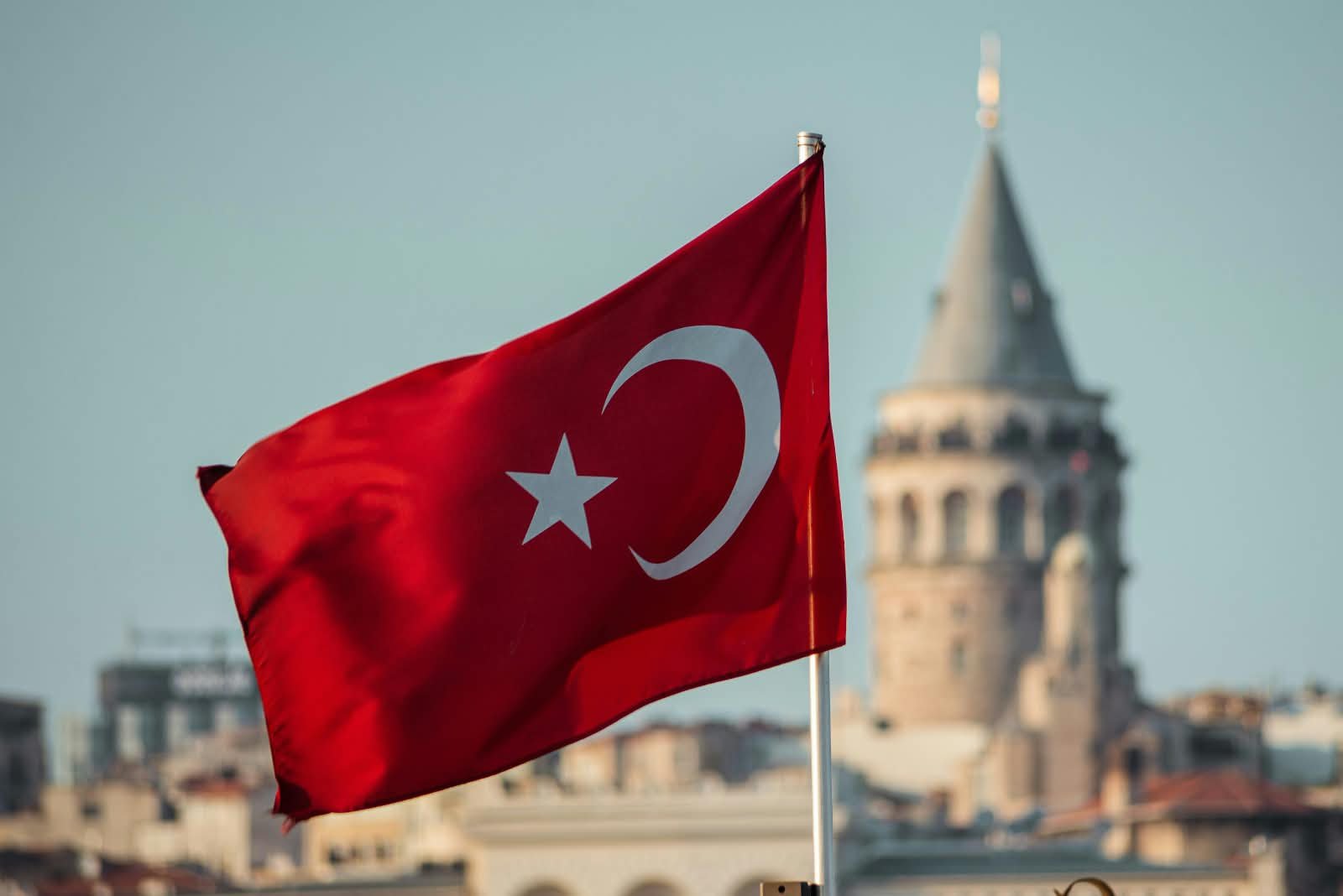
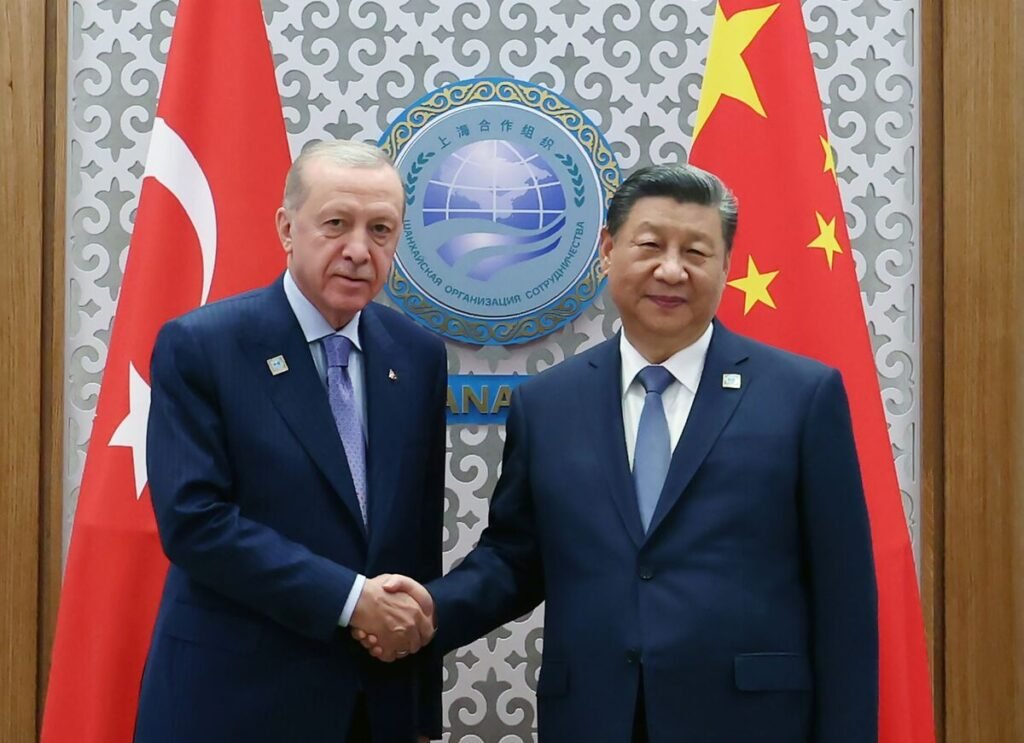
It’s not really a shock to see Turkish President Recep Tayyip Erdogan applying for full membership in the Shanghai Cooperation Organisation right after hosting a major NATO summit in Ankara. Anyone paying attention in Jerusalem knows this is classic Erdogan. While Western analysts often call this kind of behavior ideological inconsistency or fret about a sudden pivot toward Beijing and Moscow, Erdogan’s moves are far from random. What he’s doing is playing a careful game, squeezing maximum influence out of every opportunity while refusing to be locked into any single side or set of commitments.
Spyros A. Sofos, who’s spent plenty of time studying this, puts it plainly: Erdogan’s approach is all about institutional flexibility. He doesn’t see international alliances as exclusive clubs. For him, global politics is more like a bazaar, crowded with options, and Turkey can pick and choose exactly what suits its needs in the moment, whether those needs are tied to domestic politics or Ankara’s larger strategic ambitions.
For Israel, this style of maneuvering lands right at the heart of its own security calculations. Erdogan practices a pretty unique brand of populist leadership. Just as he tells his supporters at home that he’s standing up to elite interests, he sells the story abroad that Turkey is a nation on the rise, unfairly held back by Western dominated institutions. So every time he jumps onto anti Western or Eurasian platforms, he’s not just making new friends, he’s sending a signal that Turkey wants to shape its own path, unscripted by Washington or Brussels.
You could see this approach clearly at the latest NATO summit in Washington. There, Erdogan didn’t hesitate to block efforts by NATO countries to deepen coordination with Israel, citing Israel’s military actions in Gaza. By exercising Turkey’s veto power, he made it crystal clear that being a NATO member isn’t the same as signing up for Western priorities on everything, especially when it comes to the Middle East. Yet, all the while, he keeps Turkey engaged in robust trade and intelligence ties across Eurasia, using Turkey’s strategic position to make sure no single global power gets to call all the shots.
Turkey’s “multi vector” strategy really stands out in its day to day regional policies. In Syria, for instance, Ankara skipped over traditional Western diplomatic channels like the Geneva talks and instead built the Astana process directly with Russia and Iran, handling conflicting agendas without the West at the table. Over in Libya and the Sahel, Turkey flexed its military muscles, sent in armed drones, and openly challenged French sway, all without stepping outside NATO’s basic structural framework.
Then, when Russia invaded Ukraine, Erdogan condemned Moscow’s aggression, shut off the Turkish Straits to warships, and even sent military aid to Kyiv. At the same time, though, Ankara refused to join in Western sanctions, kept trading with the Kremlin, and positioned itself as the go to broker for the Black Sea grain deal. Thanks to this balancing act, Erdogan managed to carve out a unique mediator role, a spot that’s always out of reach for countries tied up in rigid alliances.
This balancing act makes life a lot more complicated for Israel’s security planners. Turkey doesn’t fit neatly into a friend or foe box. It’s not a reliable Western ally, but it’s not a sworn enemy either. Instead, Turkey acts like an unpredictable free agent, not afraid to stir the pot if it means serving its own interests.
We saw Syria’s unpredictability during the Eastern Mediterranean standoffs, too. When Israel, Cyprus, and Greece started building energy partnerships that excluded Turkey, Ankara wasted no time in pushing back. It was a clear warning: any plans that hope to sidestep Turkey are bound to hit resistance.
Erdogan’s recent moves toward the Shanghai Cooperation Organisation (SCO) are another textbook example of this broader strategy. The SCO isn’t just a diplomatic club, it represents a huge slice of the global economy, with over $35 trillion in GDP and billions of people. Erdogan openly talks up the SCO as a rising force, helping to push the world toward more multipolar politics. By deepening Turkey’s involvement with the organization, Ankara is deliberately building trade and energy routes that go around traditional Western sanctions, strengthening its economic independence.
This economic pivot fits neatly alongside Turkey’s drive for defense autonomy. Over the last ten years, Erdogan has pulled Turkey’s defense industry closer to home, in some sectors, slashing the country’s dependence on foreign arms from around 80 percent to under 20 percent. Turkish made drones and other platforms now play starring roles in conflicts from North Africa to the Caucasus, turning homegrown capability into real leverage when dealing with outsiders. When Western partners balk at selling arms, Erdogan either looks for new markets or just relies on Turkey’s own factories.
All this leaves Israeli policymakers with some serious thinking to do. The old assumption, that Mediterranean security boils down to Western alliance politics, doesn’t hold up anymore. Turkey’s comfort operating inside both NATO and Eurasian security clubs means traditional pressure from DC or Brussels won’t have the same impact in Ankara.
Israel has to move with the times. Counting on NATO to keep Turkey in line, or expecting U.S. leverage to bring Ankara back to the Western fold, won’t cut it. Erdogan’s warm up to the SCO shows he’s not just hedging, he’s actively building up alternatives to the old alliance model.
Still, there are limits to how far Ankara can roam. Despite all the diplomatic showmanship, the Turkish economy still leans heavily on Western investment and European markets. Turkey’s military equipment and logistics remain tied into NATO’s systems, and its partnerships with China, Russia, and Iran are shaped by long standing rivalries and mutual mistrust. For Israel, these cracks in Erdogan’s strategy are potential openings.
The best move now for Israel is to adopt a balanced, no drama approach in dealing with Turkey. That means keeping low key lines open with Turkish defense officials while investing even more in sturdy ties with Mediterranean and Gulf allies. The key is to remember that Erdogan’s moves are driven more by local politics and his own survival instincts than by any real long term commitments to alliances. As long as Israel recognizes this, it can keep its footing, sidestep surprises, and manage tensions with Ankara as they come.