
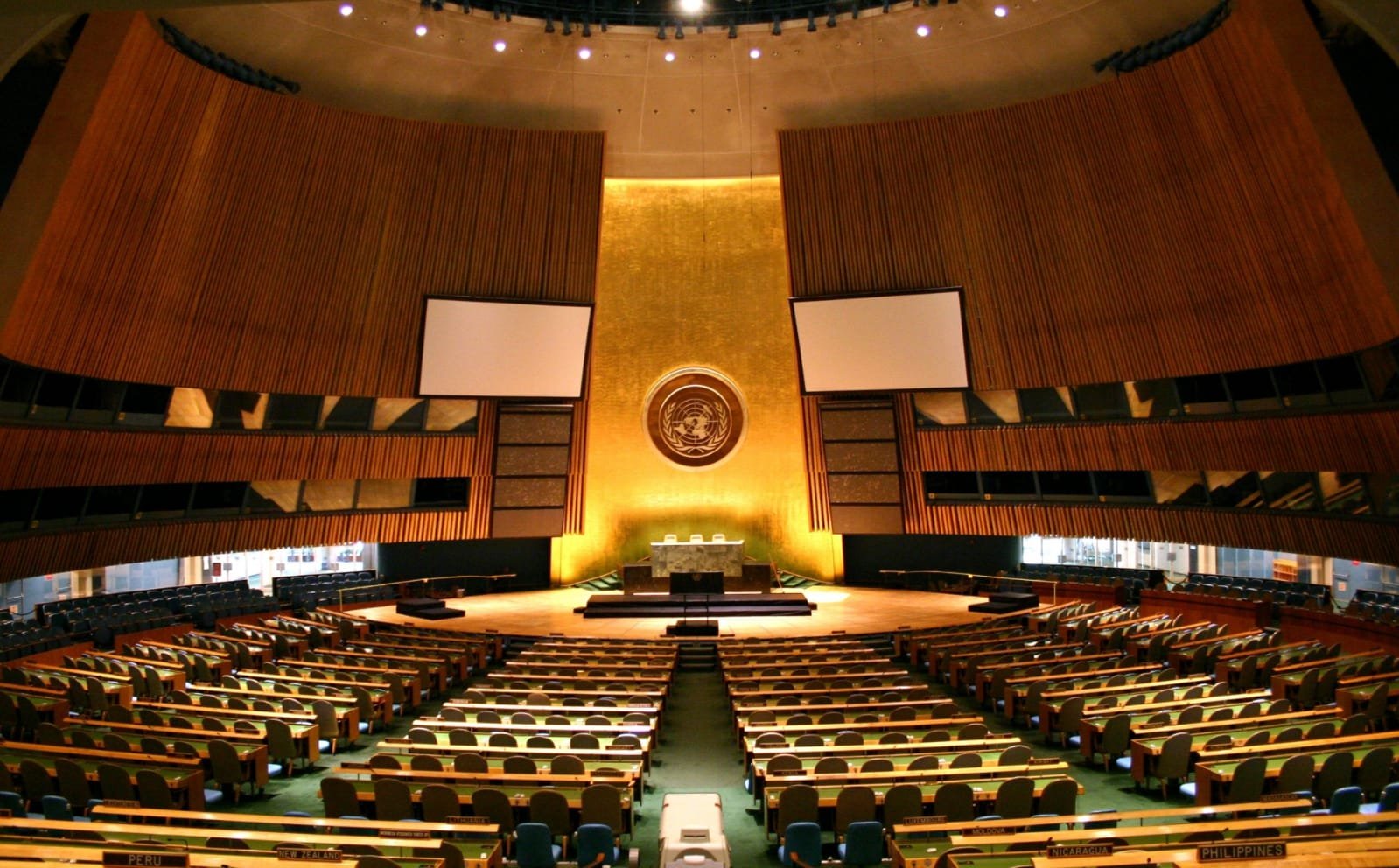
This year, the 81st United Nations General Assembly in New York collided with the Jewish festival of Sukkot, and honestly, you couldn’t ask for a starker contrast. In the echoing halls of Turtle Bay, world leaders trotted out the usual parade of speeches, one after another, taking aim at Israel. António Guterres, closing out his term as UN SecretaryGeneral, used his final address to accuse Israel’s West Bank policies of carrying the weight of ethnic cleansing. Brazil’s Lula da Silva painted a picture of Gaza as a killing field ruled by a murderous mindset. Turkey’s Erdoğan, always dramatic, invoked Holocaust imagery yet again, while Jordan’s King Abdullah called for economic punishment. Taken together, it all started to feel like an international performance, one where the good guys and bad guys are assigned by political fashion more than by facts, and where moral arguments get twisted into weapons and pointed at the one democracy standing in the Middle East.
And then there’s Sukkot, humming quietly in the background, a festival with its own message, much older and deeper. While politicians inside the UN are busy flipping the meaning of words like justice and genocide, out in the Jewish world, families build rickety, temporary shelters and move in for a week. The Torah commands it. But it’s more than a ritual; it’s a living act of memory. Rabbi Jonathan Sacks said it well: for Jews, memory was always more precious than armies or monuments. Rome built arches out of stone and fielded armies that shook the world, but they’re gone now. The Jews, tossed and scattered for centuries, survived because they cherished their story. They carried their past with them, in every language and on every continent.
It’s hard not to see the tension between these two worlds. The United Nations was born from the ashes of a world war, meant to prevent the crimes of the past from happening again. But take a hard look at its assemblies now: they’ve become echo chambers, pushing through resolutions with automatic majorities, draining words like “human rights” and “selfdefense” of meaning. Sometimes, regimes with terrible human rights records themselves sit in judgment, using their seats to bash Israel, all while ignoring what happens back home.
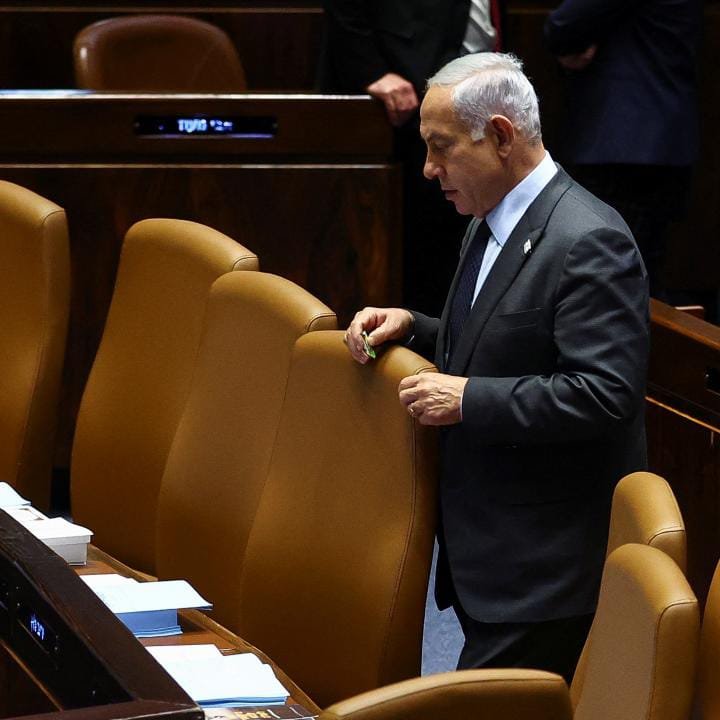
None of this is new, but lately, the intensity feels more dangerous than ever, a kind of moral fog. When global institutions can’t tell the difference between a country defending its people and the groups plotting terror against them, they lose whatever credibility they had left. Everyone knows that repeating statistics or tossing out historical analogies from a podium in Manhattan doesn’t make them true; it just shows how easily the whole project gets hijacked by whatever political ideas are trending that day.
Every year, sitting in the flimsy sukkah brings you back to basics. It’s a lesson in vulnerability: these walls won’t keep out the rain or the cold, but somehow, this tradition has outlasted every empire that tried to wipe it out. Real security, the kind that endures, comes from knowing who you are and what your story means, not from foreign approval or the size of your alliances. When a nation stands firm in its belief in its own justice, the storms outside just don’t have the same power.
Sukkot’s lesson feels sharp for Israelis right now, when the chorus of criticism from international courts, parliaments, and conferences is especially loud. Israel needs military strength and a smart diplomatic approach, but neither works without faith in its own history and mission. Without that foundation, no barrier or alliance lasts.
Israel has learned, often the hard way, that facts and legal arguments don’t always break through the United Nations’ political block voting. Turning away from illusions about international approval isn’t withdrawal, it’s realism. National resilience depends less on public relations and more on an unshakable sense of purpose. Organizations like the Israel Defense and Security Forum matter more than ever, they build resilience not just by fielding weapons or negotiating trade deals, but by keeping the country rooted in the justice of its own cause.
This mindset also has to shape longrange policy. There’s no lasting safety in relying on the shifting loyalties of world leaders making speeches for their own voters. Shortterm deals and tactical concessions won’t buy genuine security. The smarter move is investing in independent defense, building new trade ties outside the traditional set, and being clear about what matters, even if it costs goodwill in diplomatic circles.
So, as the headlines about Turtle Bay fade away, Sukkot continues, across Israel, on balconies and patios, in city courtyards and kibbutz fields. These fragile huts connect today’s families to generations gone by. Governments rise and fall, alliances shift, but that core memory gets renewed, year after year.
Winning longterm international legitimacy isn’t about a single debate or a PR campaign. It takes patience, economic strength, military readiness, and above all, the confidence that the real source of legitimacy isn’t handouts from the international community, but an honest connection to history and identity. That’s the real contrast on display. Old empires, global forums, and political statements, these ebb and flow with time. But Israel’s deepest strength comes from a memory and a mission rooted far deeper than any diplomatic season.