
Iran’s Invitation to Join the Mecca Pact
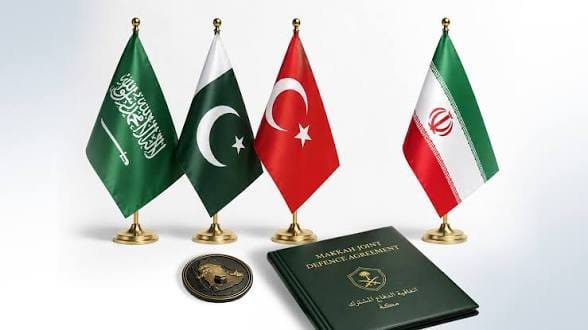
Reports out of regional media suggesting Iran has been extended an official invitation to join the newly minted Mecca Agreement for Mutual Defense mark a genuinely significant moment for Middle East strategic calculus. Signed in early August by Saudi Crown Prince Mohammed bin Salman, Turkish President Recep Tayyip Erdogan, and Pakistani Prime Minister Shehbaz Sharif, the trilateral pact was originally conceived as a regional collective security arrangement. Modeled loosely on the mutual defense logic of Article 5 in the NATO treaty, the agreement treats an attack on one signatory as an attack on all. Turkish Foreign Minister Hakan Fidan publicly insists the treaty is purely defensive and aimed at no single nation, but the potential inclusion of Tehran would fundamentally change the nature of the whole arrangement.
For Israeli national security planners, this calls for rigorous analysis rather than immediate alarm. At first glance, a defense pact uniting Saudi capital, Turkish industrial expertise, Pakistani military manpower, and Iranian proxy networks looks like a formidable regional coalition. Dig deeper, though, and an invitation to Tehran looks a lot less like the construction of an operational military alliance and a lot more like managing regional vulnerabilities through careful diplomatic hedging.
The founding members of the Mecca Agreement each bring distinct, highly pragmatic motivations to the table. Saudi Arabia wants to diversify its security dependencies away from total reliance on Washington while building a broader deterrent umbrella against non state aggressive actors. Turkey wants to solidify its position as a primary defense industrial supplier to the Islamic world, expanding exports of advanced drone technology and armored systems. Pakistan, dealing with real economic instability, secures vital capital from Riyadh alongside elevated diplomatic standing. Despite these shared benefits, the strategic threat perceptions of the three original signatories remain genuinely divergent. Turkey stays focused on the Eastern Mediterranean and Syria. Pakistan is tethered to its eastern border with India. Saudi Arabia remains acutely sensitive to threats across the Persian Gulf specifically.
Inserting Iran into this already fragile triad introduces contradictions that are hard to reconcile. For over four decades, the primary engine of instability across the Middle East has been the Iranian regime’s commitment to exporting revolutionary ideology through asymmetric armed militias. From Yemen to Iraq, Syria, and Lebanon, Tehran’s doctrine relies explicitly on undermining state sovereignty wherever it operates. Expecting Saudi Arabia, Turkey, and Pakistan to extend a binding mutual defense guarantee to a regime that actively funds subversion inside Arab borders strains political reality past its breaking point.
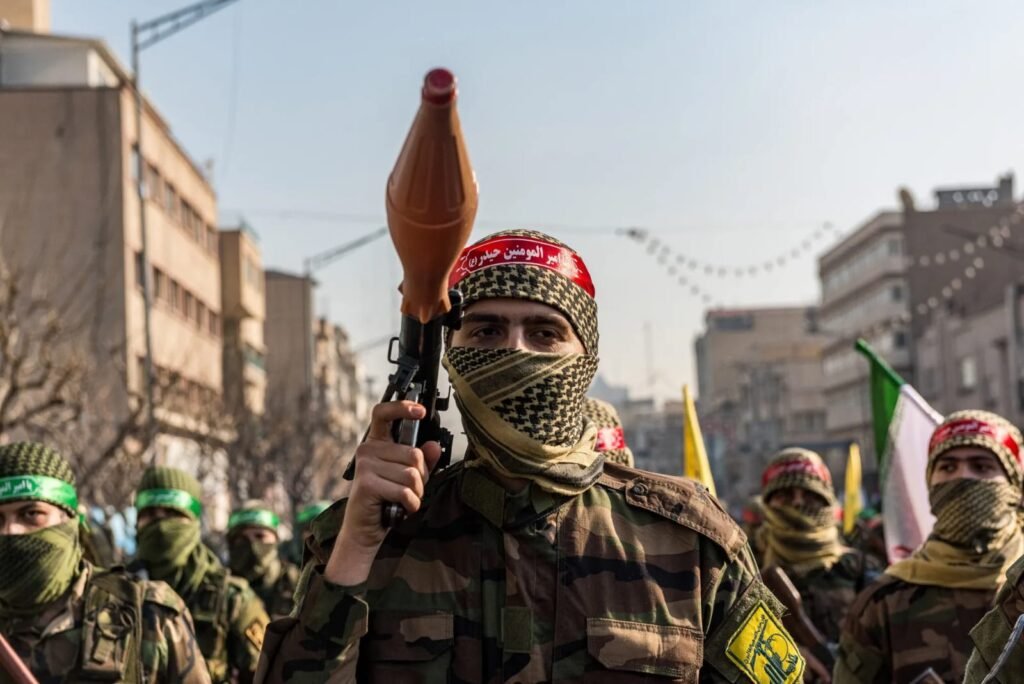
From Tehran’s side, acknowledging receipt of such an invitation serves immediate diplomatic interests regardless of whether real integration ever happens. Iranian state media and parliamentary figures, including Mehdi Rahimi, have framed the proposal as validation of Iran’s long standing demand for a security framework free of Western influence. By participating in talks around the Mecca Agreement, Tehran gets to project diplomatic normalization and chip away at its international isolation, even symbolically.
Genuine integration still remains improbable, though. A true mutual defense pact requires deep operational integration, shared intelligence networks, unified command structures, and above all, strategic trust between the parties involved. None of those prerequisites actually exist between Tehran and the Sunni led capitals right now. Pakistan shares a long, volatile border with Iran and maintains a delicate internal sectarian balance, which makes Islamabad inherently wary of formal military entanglement with Iranian forces. Turkey and Iran remain active geopolitical competitors in northern Syria and the Caucasus. Saudi Arabia’s foundational security concern, meanwhile, has always been containing Iranian regional ambition, not embracing it.
Rather than representing a cohesive military bloc, the invitation to Tehran is better understood as an exercise in diplomatic containment. By offering Iran a theoretical seat at the table, the Mecca trio is trying to incentivize more responsible state behavior, signaling that regional integration is available if proxy warfare gets abandoned. It’s a strategy designed to neutralize friction through engagement rather than direct confrontation, at least on paper.
For Israel, this shifting landscape carries real strategic implications regardless of how the Iran question resolves. The emergence of a strong Sunni security axis backed by significant defense manufacturing capability creates a new variable in regional air defense and intelligence calculations. If Turkish industrial capacity and Pakistani conventional forces combine with Saudi capital, the freedom of action the IDF has historically enjoyed across regional skies faces new diplomatic and technical limits going forward.
At the same time, Israel shouldn’t misread the diplomatic signaling coming out of Arab and Muslim capitals here. The desire among Gulf states to pursue multilateral defense agreements stems directly from a perceived reduction in American strategic clarity. When regional partners sense a power vacuum forming, they inevitably build alternative hedging mechanisms of their own.
Jerusalem’s optimal response isn’t public panic. It’s sophisticated, quiet statecraft instead. Israel needs to reinforce its own essential value as an irreplaceable technological, intelligence, and defense partner to moderate regional actors. The Abraham Accords proved that shared economic interest and credible security cooperation build durable bonds over time. As the Mecca Agreement runs into its real world limitations, the underlying realities of the Middle East will persist regardless. Regional states will quickly realize that symbolic treaties signed in royal halls cannot erase fundamental conflicts of interest just by existing on paper.
The Islamic Republic of Iran remains fundamentally committed to regional disruption, invitation or not. So long as Tehran continues financing destabilizing militias, no document signed in Mecca is going to convert regional rivals into true allies. Israel needs to stay focused on its core objectives here, maintaining superior operational capability, deepening ties with realistic partners, and demonstrating that genuine regional stability gets built on shared interests, not diplomatic theater.