
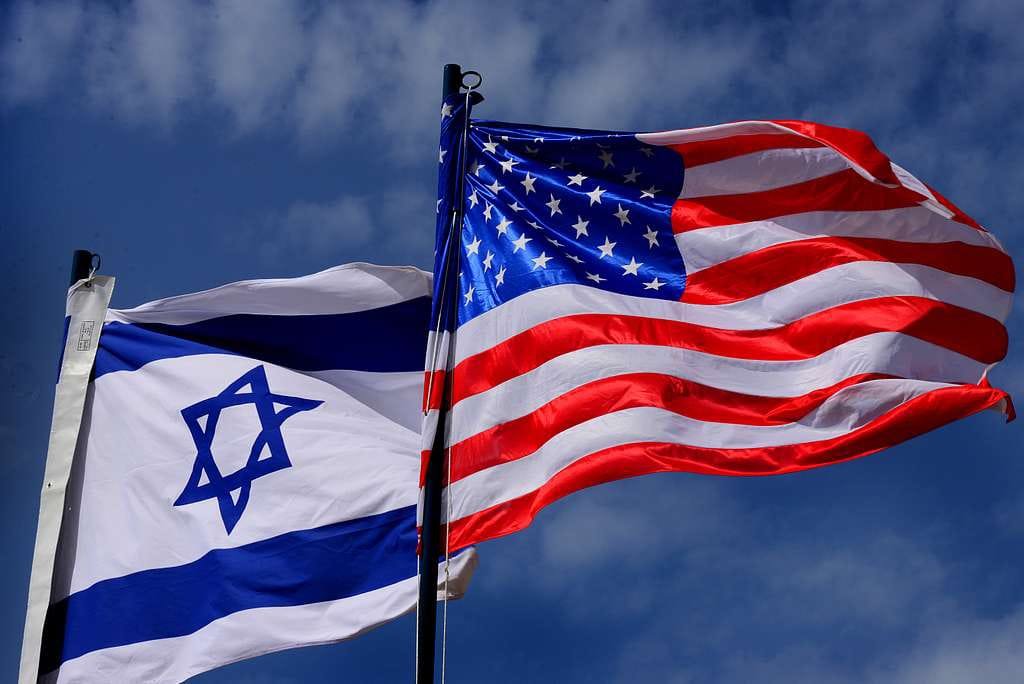
For three years, the Israel Defense Forces have demonstrated unrivaled operational genius across multiple fronts. Hamas as an organized military force in Gaza is largely dismantled, Hezbollah’s leadership architecture lies in ruins, and regional dynamics have shifted to the point where even Beirut and Damascus show unprecedented signs of strategic recalculation. Yet, inside Jerusalem’s halls of power, a dangerous delusion persists: the belief that tactical military brilliance can compensate for disastrous political strategy.
As the nation approaches its critical elections, the stark reality facing the diplomatic establishment is undeniable. Israel has traded its most crucial strategic asset, a deeply rooted, bipartisan alliance with the United States, for short term coalition survival. Decades of governance under Prime Minister Benjamin Netanyahu have institutionalized a fatal misunderstanding of American politics, treating Washington not as a strategic partner requiring care, but as an endless resource to be exploited for domestic political leverage. The next government in Jerusalem must make the immediate restoration of the American alliance its primary national security priority.
The figures illustrating Israel’s decline in American public estimation are alarming. Long gone are the days when support for the Jewish state was an uncontested article of faith on Capitol Hill. Recent polling data reveals that American sympathy for Israel has plummeted to historical lows, with broader segments of the public, including younger generations, core Democratic constituencies, and increasingly, traditional conservative voters, questioning the basic premises of the relationship. Gallup tracking indicates that overall sympathy for Palestinians among Americans now edges out sympathy for Israelis at 41 percent to 36 percent, a stark inversion from a decade prior when Israeli support stood above 60 percent.
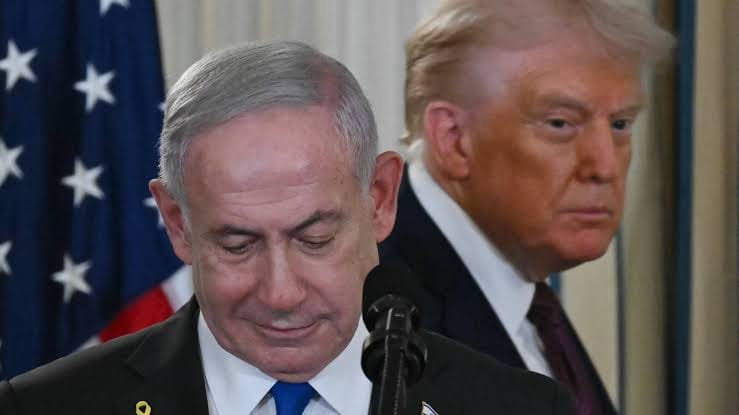
This erosion is not an inevitable byproduct of regional conflict; it is the direct consequence of deliberate political choices. Netanyahu’s repeated willingness to insert himself directly into American domestic politics, from his historic opposition to former administration policies on Capitol Hill to his transparent alignment with specific political factions, has systematically transformed Israel into a divisive partisan issue. By prioritizing his own political lifespan and placating extremist coalition partners at the expense of creative statecraft, Netanyahu repeatedly missed opportunities to convert military leverage into lasting diplomatic arrangements. Whether by hesitating on structured diplomatic off ramps in Lebanon or delaying post war civil framework initiatives in Gaza, Jerusalem increasingly projected an image of arrogance, viewing American backing as unconditional while ignoring Washington’s strategic concerns.
Henry Kissinger once famously remarked that Israel has no foreign policy, only domestic politics. Under Netanyahu, that cynically transactional approach reached its absolute zenith. The cost has been a dangerous reduction in Israel’s strategic autonomy, leaving its military and diplomatic latitude increasingly constrained by directives from Washington.
Rebuilding this damaged relationship requires a bold paradigm shift rather than incremental public relations fixes. The primary objective for incoming leadership must be a transition from financial dependency to true strategic co reliance.
Israel is no longer a developing nation in need of financial subsidies. With a GDP per capita surpassing $50,000, outpacing global powers like France and the United Kingdom, Israel possesses the economic maturity to finance its own defense. Under the existing Memorandum of Understanding, the United States provides roughly $3.8 billion annually in military assistance, representing under eight percent of Israel’s wartime defense spending. A new government should proactively signal its intent to phase out direct military aid grants ahead of the 2028 MOU expiration.
Initiating this transition voluntarily instantly changes the American political debate. It dismantles the pervasive narrative in Congress that Israel is a financial drain on American taxpayers, disarming critics across the political spectrum. More importantly, graduating from direct aid elevates Israel from a client state to an equal technological partner.
Instead of relying on aid, the future of the alliance lies in joint industrial innovation. Both nations face a rapidly evolving security environment where traditional defense models are tested by asymmetric warfare, drone swarms, and low cost precision munitions. By shifting focus to co developing Next Gen military systems, artificial intelligence defense applications, and localized co production facilities, Israel can offer the United States irreplaceable operational data, technological agility, and shared manufacturing power. This structural evolution turns the relationship from a political vulnerability into a high value security asset for both nations.
Diplomatically, the new government must institute a policy of strict non interference in American internal politics. Rebuilding ties with the Democratic Party, re engaging disillusioned Jewish American communities, and maintaining honest, behind closed doors coordination with whichever administration holds the White House are mandatory first steps. Strategic surprise and public confrontation must give way to systematic, structured alignment.
Ultimately, an alliance between democracies cannot survive on realpolitik alone; it requires a shared value system. Israel’s brand in the democratic world cannot be repaired abroad while its democratic institutions, law enforcement norms, and commitment to equal rights are undermined at home. Recommitting to the foundational principles articulated in Israel’s Declaration of Independence is not merely a domestic necessity; it is the ultimate diplomatic tool for restoring international trust.
The tactical achievements of the IDF have bought time and opened regional possibilities that were unthinkable years ago. But military victory without visionary diplomacy is an empty triumph. The incoming leadership must possess the courage to abandon the reactive, survivalist mindset of the past decade. By ending financial dependency, embracing genuine joint technological defense, and reaffirming its core liberal democratic identity, Israel can rebuild its most essential alliance, ensuring its security, sovereignty, and international standing for generations to come.