Dublin’s diplomatic posture toward Israel has become a case study in selective outrage. Ireland loves to present itself as a champion of international justice, and yet its current political establishment has settled into a relentless campaign of hostility against the Jewish state specifically. That stance ignores basic geopolitical reality while quietly pandering to domestic prejudice, and it’s worth asking why.
Senior Irish leaders have repeatedly reached for extreme rhetoric, throwing around words like genocide and ethnic cleansing to describe defensive military action. This obsessive fixation on Israel stands in stark contrast to Dublin’s noticeably muted response to genuine humanitarian atrocities happening elsewhere in the world. By letting aggressive boycott movements bleed into mainstream political discourse, Irish officials have created an environment where rational debate gets smothered entirely by partisan animosity instead of actually engaged with.
Underneath all this diplomatic vitriol runs an unacknowledged current of economic and psychological resentment. Ireland’s modern prosperity has leaned heavily on external bailouts and favorable corporate tax arrangements for foreign tech giants, which leaves the country genuinely vulnerable to outside shifts it can’t control. Israel, by contrast, built its own self reliant powerhouse through indigenous technological innovation and sheer national resilience, largely on its own terms. Watching a small democracy stand firmly on its own feet without bowing to external pressure seems to trigger something close to insecurity among Irish political elites, whether they’d admit that or not.
This institutional hostility has moved well past rhetoric and into tangible discrimination. Recent administrative decisions, like stripping crucial navigation technology from government aircraft solely because it was manufactured in Israel, show just how deeply petty politics have compromised basic statecraft here. For the remaining members of Ireland’s Jewish community, the atmosphere has deteriorated into something closer to overt hostility, exposing the hollow core of a nation that once claimed a proud tradition of tolerance and now struggles to live up to it.
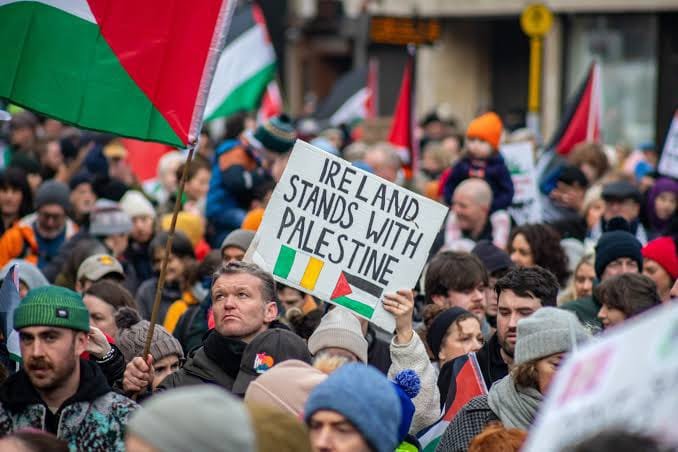
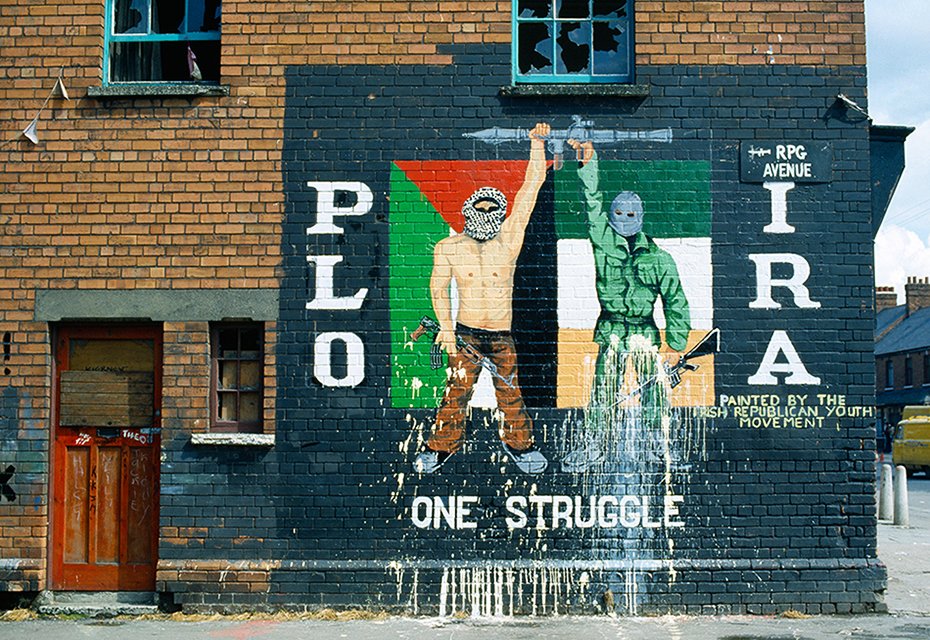
Dig into this further and you find a genuinely striking historical irony that seems to escape Dublin’s modern political class entirely. Ireland spent centuries fighting for its own sovereignty against imperial domination, a painful struggle that forged a fierce national identity built around self determination. You’d think that legacy would cultivate instinctive empathy for another small democracy fighting for survival against hostile, heavily armed neighbors who openly call for its destruction. Instead, contemporary Irish political culture has chosen relentless animosity toward Jerusalem, trading historical perspective for cheap political convenience.
This ideological drift gets heavily reinforced by a domestic media ecosystem where taking an aggressive posture against Israel functions almost like a badge of moral purity. Mainstream television programs and cultural institutions routinely broadcast one sided narratives that minimize the daily existential security threats Israeli citizens actually live with. When dissenting voices try introducing factual context about regional terrorism, indiscriminate rocket fire, or the plight of hostages, they typically get shouted down or met with open derision in public forums rather than engaged with seriously.
Economically, the psychological divide becomes even sharper. Ireland has posted impressive economic figures over the years, sure, but much of that success rests on external foundations, multinational corporations setting up European headquarters to exploit favorable tax structures rather than deep domestic industry. Israel, conversely, forged its powerhouse status through indigenous research and development, agricultural ingenuity, and sheer domestic grit in the face of constant boycotts and security threats. That stark difference in how each country actually achieved prosperity seems to breed a kind of unacknowledged envy among critics watching Israel refuse to bend under international pressure.
The mainstream adoption of boycott, divestment, and sanctions campaigns points to a broader societal drift away from balanced diplomacy and peaceful engagement too. Ordinary citizens, shaped heavily by relentless media messaging, have embraced punitive measures targeting academic, cultural, and economic ties indiscriminately, with little regard for nuance. This hostile environment puts real psychological pressure on the Jewish minority living in Dublin and other urban centers, people who find themselves unfairly held collectively accountable for the sovereign actions of a foreign government thousands of miles away that they have no control over.
At the end of the day, the deterioration of Irish Israeli relations serves as a cautionary tale about how historical narratives can get twisted to serve modern political expediency. By abandoning genuine neutrality and adopting a posture of selective outrage, Ireland has systematically distanced itself from a natural democratic ally. The tragedy here isn’t just the diplomatic rupture itself. It’s the total loss of a balanced, fair minded perspective from a nation that historically claimed to champion the underdogs of the world.
What makes this especially frustrating is how avoidable it all seems. Ireland could have positioned itself as a genuine honest broker, a small nation with real credibility on questions of self determination and colonial legacy, capable of speaking to both Israeli security concerns and Palestinian grievances with equal seriousness. Instead it chose a side loudly and permanently, trading that credibility for domestic political points that will likely age poorly. Nations that abandon nuance for moral theater tend to discover, eventually, that the world remembers which posture they struck when it actually mattered, and Dublin may find that memory less flattering than it currently assumes.