Strategic Assessment: IRGC Restructuring, Tactical Deception, and Multi-Front Asymmetric Preparedness
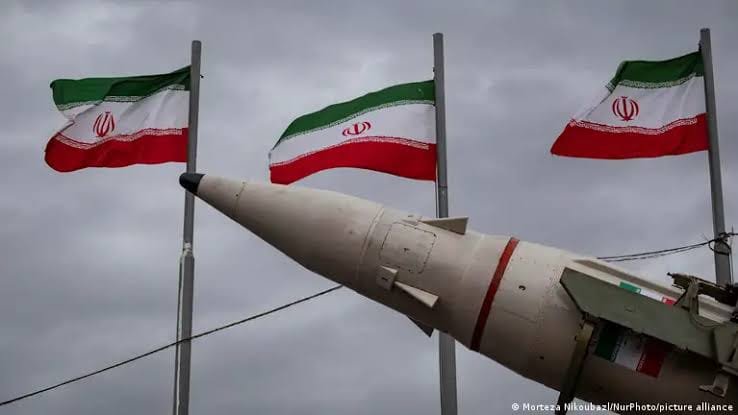
Recent intelligence disclosures suggesting Tehran viewed bilateral diplomatic tracks not as a path to peace, but as tactical deception meant to buy time for an Israeli and American preemptive strike, lay bare something genuinely chilling about the current regional standoff. Rather than using diplomatic windows to de-escalate, Iran’s hardline apparatus, bolstered by the appointment of veteran commanders like Ahmad Vahidi to head the IRGC, treated that whole period as a mobilization phase for a much wider war instead. For strategic planners in Jerusalem, this revelation shatters any lingering illusion that the Islamic Republic’s baseline posture can be moderated through conventional diplomatic leverage or temporary understandings.According to findings surfaced by Arab intelligence agencies and detailed in recent reporting from outlets like the Wall Street Journal, Iranian leadership operated under a persistent fear that diplomatic engagement was really just cover to blunt international economic pressure while military assets got repositioned behind the scenes. In response, Tehran launched an aggressive internal and external consolidation. By tightening IRGC control over the regular military apparatus, accelerating ballistic missile and drone production, and sending senior operatives to advise proxy networks across Iraq, Yemen, and Lebanon, the regime signaled a structural shift toward sustained, high intensity confrontation rather than any real off ramp.
1. Strategic Doctrines and Asymmetric Contingencies
This posture of permanent readiness is driven by a foundational ideological belief inside Tehran’s inner circles, that the decisive phase of the multi front conflict hasn’t actually happened yet. Analysts close to the Iranian defense establishment note that the regime reads incremental friction through the lens of salami slicing tactics, treating limited clashes as preparatory steps toward a terminal showdown down the road. So instead of seeking accommodation, the IRGC has mapped out aggressive contingencies that go well beyond traditional proxy harassment. Threatening Gulf energy facilities, targeting critical undersea communication cables, and preparing contingency operations against neighboring states like Kuwait all point to a deliberate strategy aimed at exponentially raising the financial, logistical, and political costs for Washington and its regional partners.
Strategic Deterrence Shift: For Israel, these developments demand a cold, unvarnished appraisal of the northern and eastern threat picture. The old assumption that economic exhaustion or diplomatic isolation would naturally push Tehran to abandon its regional ambitions has evaporated. Instead, Iran is proving capable of absorbing heavy infrastructural damage while simultaneously rebuilding its offensive capabilities and expanding its asymmetric reach at the same time. When an adversary operates on the baseline assumption that war is perpetual, and that every ceasefire is really just an enemy staging ground, traditional deterrence models start losing their effectiveness.
2. Structural Adjustments and Network-Centric Defense
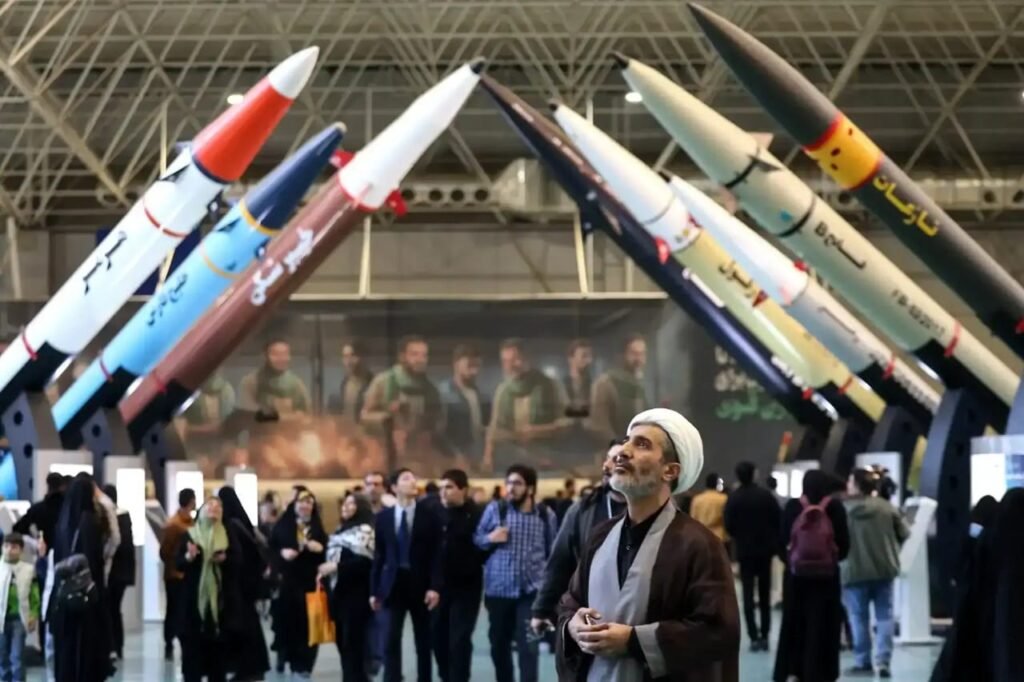
The depth of this Iranian mobilization reflects structural adjustments meant to insulate the regime against future decapitation strikes and coordinated Western pressure. Intelligence assessments compiled across regional capitals emphasize that Tehran’s leadership has permanently institutionalized a wartime economy and command structure at this point. Personnel shifts at the highest levels of the military hierarchy, including the formal elevation of figures long associated with external operations and asymmetric warfare, suggest that civil military relations inside Iran are now entirely subordinated to the demands of a protracted conflict. Academic and security analysts tracking these internal transformations point out that leadership configurations like this are fundamentally incompatible with any real return to normal peacetime engagement.The expansion of proxy coordination also reveals a calculated effort to multiply vectors of attack. By embedding military advisors deeper within allied networks across the region, the IRGC ensures that any direct confrontation with Tehran automatically triggers decentralized retaliatory campaigns across multiple fronts at once. This network centric defense strategy aims to create maximum friction for the United States and its allies, turning local flashpoints into a synchronized theater of war rather than isolated incidents. Reports indicating that regional energy infrastructure and communication lines have been explicitly mapped out as targets underline the regime’s intent to globalize the economic consequences of any future escalation.
3. Key Defense and Security Directives
Navigating this reality requires strategic planners and decision-makers in Jerusalem to address three primary threat vectors:1. Countering Multi-Front Asymmetric Operations: Preparing for decentralized retaliatory strikes across Iraq, Yemen, Lebanon, and Syria managed by embedded IRGC operatives.
2. Safeguarding Critical Infrastructure:
Strengthening defenses around vital regional energy installations and undersea communication cables against mapped Iranian target contingencies.
3. Overhauling Deterrence Assumptions:
Moving beyond traditional models that assume diplomatic isolation or economic hardship will restrain Tehran’s offensive preparations.
For Israeli decision makers, navigating this reality means abandoning the comfort of treating adversary posturing as mere bluster. The convergence of intelligence pointing toward deep seated Iranian paranoia about preemptive strikes, combined with the corresponding acceleration of offensive preparations, means the margin for strategic error has essentially vanished. As long as Tehran’s ruling elite treats diplomacy as nothing more than breathing space for the next round of hostilities, Israel needs to maintain a posture of absolute vigilance, making sure its own offensive and defensive readiness matches the enduring nature of the threat sitting right on its borders.