By Eitan Levi
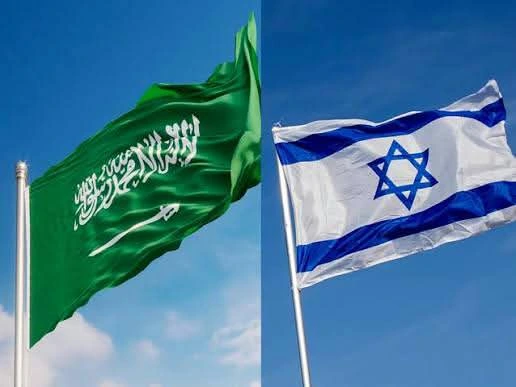
The old story about Saudi and Israeli normalization being a done deal, just waiting for a few signatures, has run headfirst into reality. We are now seeing reports that Riyadh flat out refuses to make formal moves toward Israel as long as Benjamin Netanyahu is in power. That is not a minor bump in the road; it is a deep, structural split in how both countries see the region. Israel’s governments have treated normalization like a transaction: business, intelligence, defense, all that, deliberately separated from anything to do with the Palestinians. But for Saudi Arabia, the rules are clear: no normalization unless there is a real, verifiable path to Palestinian statehood. This basically runs right into and clashes with the core beliefs of the current Israeli governing coalition, which does not want to budge on that front.
And it is not just a negotiating tactic or personal animosity. Saudi Arabia’s position is rooted in broader strategic choices. After the Mecca Pact with Turkiye and Pakistan landed, and new partnerships with Egypt took shape, Riyadh has claimed its role as the key diplomatic player among Sunni powers. When Saudi officials say Netanyahu is hunting for escalation, not compromise, it is a message not just aimed at Jerusalem, but broadcast to Washington and every capital in the Arab world: you cannot expand the Abraham Accords while ignoring the security concerns that matter most in this region.
This is a tough pill for Israeli strategists to swallow. Up until now, they have banked on the idea that everyone fears Iran enough that, sooner or later, Saudi Arabia and the other Gulf states would fall in line, even if the Palestinian issue stayed deadlocked. But the region is shifting, security questions are evolving, and, especially since Washington started rethinking its commitments after the 2026 midterms, Saudi Arabia is more comfortable setting its own terms. By holding fast to the necessity of a two state solution, Saudi leadership has put normalization entirely out of reach for any Israeli government formed by right wing coalitions that refuse to consider serious territorial concessions.
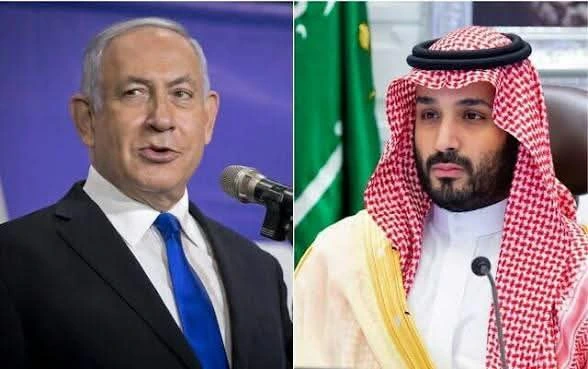
The timing is not accidental, and it raises the stakes for Israel. Since the October 2026 election stalemate, with Netanyahu’s bloc only scraping together 53 seats, Israeli politics are more brittle than ever. Saudi Arabia’s open declaration that it will not make a deal under the current leadership is not just posturing, it is psychological leverage. It forces Israeli politicians and the public to confront an unavoidable truth: sticking with the current status quo means paying the price of missing out on the region’s biggest diplomatic breakthrough.
Things have shifted for Riyadh too. In previous years, Saudi Arabia pushed for a three way agreement: a defense pact with the U.S., access to advanced civilian nuclear tech, and recognition of Israel. But times changed: Washington is tired of wars, and President Trump has hinted at pulling U.S. military aid by 2026. That makes an American security umbrella tied to normalization less valuable, at least in the Saudi calculation. Now, Saudi leaders see little benefit, either at home or with new regional allies, in signing a historic deal with Israel if the Palestinian question is not resolved. In fact, it could backfire, sparking backlash both at home and abroad.
All this is a real blow to Israel’s regional deterrence strategy. For years, normalization with Saudi Arabia was meant to be the grand prize, not just economically, but as the keystone of a regional alliance against Iran. It would have changed the security landscape, linking intel and air defenses from the Red Sea all the way to the Persian Gulf. By freezing normalization, Riyadh leaves Israel to face regional threats without the security blanket of a unified front.
That ripples out. Over the last decade, Israeli foreign policy has operated under the assumption that the rest of the Arab world was ready to move past the Palestinian issue, in pursuit of Israel’s tech edge and military support. Saudi Arabia’s bluntness upends that narrative: the Palestinian question is still the key to integration. All the attempts to bypass it have hit a wall.
So, as Israel deals with political gridlock at home and an unpredictable partner in Washington, Saudi messaging could not be clearer. There is no shortcut to a deal with the Keeper of Mecca; you do not win this one through spin or clever PR. Israeli leaders now face a hard choice: stick with the politics they know and accept regional isolation, or do the deep work needed to unlock historic integration. The ball is in their court, but the rules have changed.
About the Author
Eitan Levi is a Security and Geopolitical Analyst with expertise in Israeli defence strategy, Iran’s regional operations, Middle Eastern power rivalries, and Israel’s security partnerships.