
By Noam Shalev
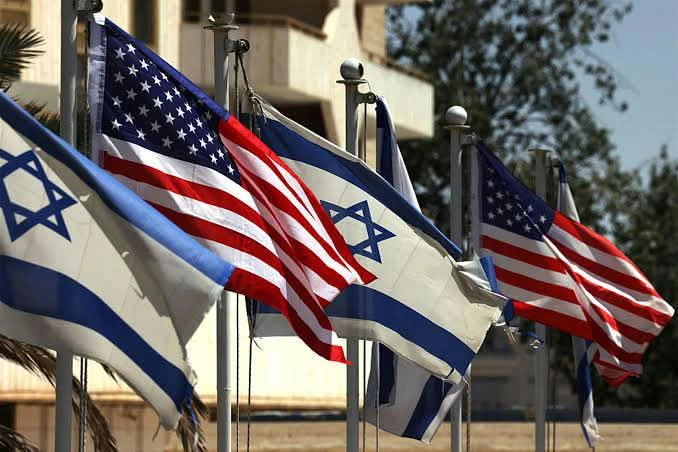
The results of the US midterm elections, together with Vice President JD Vance’s comments after the vote, mark a turning point in Washington, one the Israeli political class cannot afford to dismiss as just another episode of diplomatic bickering. For years, Israel worked off a simple planning rule: no matter which party had the upper hand in Congress or the White House, US military aid, weapons sales, and joint defense projects would stay untouched, safely removed from the mess of day to day politics. That assumption no longer holds. Things are shifting, and sticking to that old playbook puts Israel’s security directly on the line.
Right now, American aid to Israel depends on a set of concrete legal processes. Under the 2018 Memorandum of Understanding signed during Obama’s presidency, Israel gets $3.8 billion in annual military assistance, $3.3 billion for foreign military financing, plus $500 million for collaborative air defense efforts like Iron Dome, David’s Sling, and Arrow. But these funds do not show up automatically. That MOU is an agreement between governments, not a blank check written into law. Congress controls the money. Appropriations happen through legislation, which means Israel relies on Congress passing those bills every single year.
Now that Democrats hold both the House and the Senate, that pipeline has hit new levels of friction. New committee leaders, especially those from the progressive wing, are ready to flex their oversight muscles. They can impose new conditions on military aid and drag out routine procurement with drawn out debates. Big arms deals trigger mandatory notification requirements: Congress gets 15 days to review major sales. Overriding presidential decisions is tough, but committee chairs can slow things down with procedural maneuvers and public scrutiny, holding up crucial deliveries, even when the cash is already there, by delaying things like interceptor shipments or aircraft contracts.
This is not just about day to day hiccups, either. It is part of a deliberate overhaul of how the two countries cooperate. After President Trump floated the idea of ending direct aid, both governments started nudging the relationship toward a more equal partnership. The 2027 National Defense Authorization Act spells this out with measures for the US Israel Defense Technology Cooperation Initiative, a plan to shift away from direct grants and invest in joint development for things like AI, anti drone systems, cyber warfare, and advanced weapons technology.
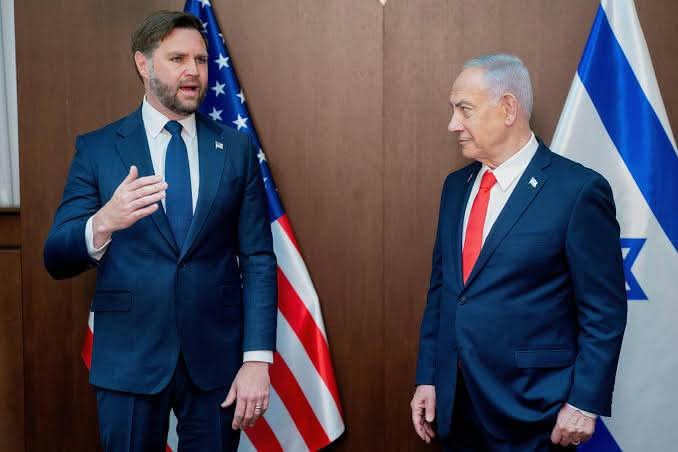
On the face of it, this move toward codeveloping technology matches Israel’s capabilities, it is an advanced player in the field. But there is a serious risk as the old system breaks before the new one is fully built. The legislative groundwork for this tech partnership keeps running into roadblocks; lawmakers have been pushing amendments that cut or weaken the plan’s funding. Israel could wind up stranded, losing steady funding before there is anything to replace it.
Getting through this moment means dealing with a stubborn myth in Israel: the idea that swapping political leaders in Jerusalem will magically restore the old, reliable US Israel relationship. That is just not the case. Sure, having someone like Gadi Eisenkot, Naftali Bennett, or Yair Lapid leading a unity government could smooth over communication with Washington, maybe buy Israel a little goodwill. But the real problems on Capitol Hill go way deeper than personalities or style. They are about actual policy.
Lawmakers from both parties are questioning how Israel handles governance in Gaza, its approach to settlements, the stability, or lack thereof, in the West Bank, and the absence of any real effort to address the Palestinian issue diplomatically. Add to this the rise of isolationism in the Republican Party, Vance’s post election talk blaming overseas commitments for political losses is just one example. Both sides of the aisle are increasingly wary of ongoing military support. Changing the prime minister will not solve any of that unless Israel takes a hard look at where its policy is headed.
The challenge is to separate what is absolutely critical for Israel’s security from policies that only make relations with the US harder for no real strategic gain. Sometimes Israel needs to stand firm, even if that causes tension with Washington. But pretending the politics in the US have not changed, paralyzing decision making at home while the ground shifts in Washington, is a recipe for growing isolation, new limitations on weapons sales, and deeper vulnerabilities.
Looking ahead, Israel needs a real reckoning, a clear eyed understanding that it cannot take its US alliance for granted. What is required now is not just a more stable government at home. It is leadership willing to make tough, strategic choices to fit the new reality. The American alliance is still essential, but it is no longer unshakable. If Israel does not rethink its approach and move with the times, it could find itself out in the cold, discovering just how far that alliance stretches at the exact moment it needs it most.
About the Author
Noam Shalev is a Political Affairs Commentator covering Israeli government policy, US-Israel relations, coalition politics, and diplomatic engagement across the Middle East.