

Regional Alliances, Mutual Defense Pacts, and the Deterrence Calculus in the Arabian Peninsula
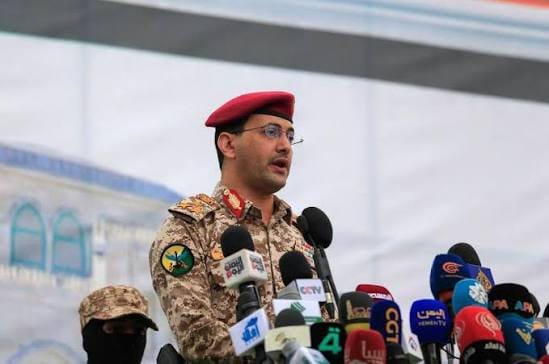
The border calm that held for years between Riyadh and Sanaa has collapsed, and it’s dragged the Arabian Peninsula right back into the geopolitical danger zone. When the Houthis resumed missile strikes on southern Saudi territory and declared a maritime blockade against energy infrastructure, they shattered a fragile status quo that had actually held up for a while. For Israel, watching this unfold from across the region, the escalation carries genuinely significant strategic implications. The Red Sea has turned into a vital economic lifeline for the kingdom just as the wider shadow war involving Washington, Tehran, and its network of proxies keeps choking traffic through the Strait of Hormuz. Riyadh isn’t dealing with some localized nuisance anymore. It’s facing a multi front pressure campaign designed to bleed its economy and test its whole security setup.
Reports about Saudi military preparations, force repositioning near eastern Yemen, and potential operational routes through places like Al Bayda have sparked serious speculation about a renewed ground intervention. But military experts stress that whatever campaign comes next isn’t going to look anything like the heavy armored incursions of 2015. Riyadh has shown zero appetite for bogging its regular troops down in the rugged, unforgiving terrain of northern Yemen, where irregular warfare and stretched supply lines have historically favored whoever’s defending the ground. Current contingency planning instead points toward a Saudi enabled strategy. Local Yemeni anti Houthi formations, especially those anchored around Marib and the southern approaches, would lead the ground offensive, while the Royal Saudi Air Force, intelligence units, and special forces provide the command, logistics, and precision strike support behind them.
At the center of this whole evolving security picture sits the Strategic Mutual Defense Agreement signed between Saudi Arabia and Pakistan. Under this binding pact, both countries formally committed to the principle of collective security, explicitly pledging that any act of aggression against either nation gets treated as aggression against both. For Islamabad, this brings real responsibility and a genuinely delicate diplomatic tightrope to walk. Pakistan has deep, historical military ties with the kingdom, having provided training, technical assistance, and advisory support for decades already. But turning a bilateral pact into actual wartime deployment inside the rugged mountains of Yemen exposes Islamabad to serious domestic political pressure and regional friction, especially given Pakistan’s careful economic and diplomatic balancing act with Iran on the other side.
“Under this binding pact, both countries formally committed to the principle of collective security, explicitly pledging that any act of aggression against either nation gets treated as aggression against both.”
If this conflict keeps spiraling outward and threats against Saudi territory keep escalating, Riyadh could theoretically invoke the spirit of mutual defense, putting real pressure on Islamabad to prove its reliability. But analysts note that Pakistan’s actual response would probably prioritize strategic reassurance, naval patrols within a broader maritime coalition, and high level intelligence coordination, rather than sending large combat brigades into the Yemeni quagmire directly. Public statements emphasize ironclad solidarity and joint deterrence against outside aggression, sure, but Islamabad stays intensely mindful of avoiding an open ended military entanglement that could strain its own national security priorities back home in South Asia.
Bringing in other regional heavyweights, like Egypt, further shows just how multilateral Riyadh’s containment strategy actually is. Cairo brings serious naval capability and strategic depth to the table, though Egyptian leadership has consistently signaled real reluctance about deploying ground troops into the southern Arabian theater itself. Experts point out that while combining local Yemeni proxies on the ground with regional air and naval power backing them up makes sense as a military blueprint, actually turning a bunch of disparate armed factions into one cohesive fighting force remains a massive hurdle. Getting militias with competing political goals to operate under a single command structure is a genuinely huge task, one that even serious financial and logistical backing might struggle to pull off.
For Israel, this unfolding crisis on Saudi Arabia’s southern flank is a stark reminder of just how interconnected Middle Eastern security really is. The Houthis aren’t operating in a vacuum here. They function as an extension of the Iranian axis, weaponizing maritime chokepoints and exploiting regional instability to push Tehran’s broader ambitions forward. When attacks on Saudi installations get coordinated through networks stretching from Yemen all the way to Iraq, the line between localized insurgency and broader regional war basically dissolves. Riyadh’s current military preparations are really coercive in nature rather than territorial. The main goal is shifting the battlefield balance enough to force the Houthis back to the negotiating table and secure vital shipping lanes before global energy markets take a catastrophic hit.
“Deterring Iran and its proxies takes more than just defensive interceptions. It requires a unified, unyielding projection of strength, a real willingness to secure vital maritime corridors through active coalition patrols…”
Still, the risks of escalation remain genuinely high. If limited airstrikes and proxy advances fail to stop the drone and missile barrage, Saudi Arabia, Pakistan, and their international partners are going to face some genuinely agonizing choices about how far to expand operations from here. The humanitarian fallout inside Yemen adds yet another layer of volatility, since renewed disruptions to food and fuel imports threaten millions of people with severe hunger. For Jerusalem, Washington, and Riyadh, the message coming out of all this is pretty unmistakable. Deterring Iran and its proxies takes more than just defensive interceptions. It requires a unified, unyielding projection of strength, a real willingness to secure vital maritime corridors through active coalition patrols, and a clear understanding that regional security doesn’t come in pieces, it’s indivisible.