
Critical Intelligence Briefing | Tactical Breathing Room vs. Permanent Disarmament | Operational Risk & Sovereign Verification
1. Diplomatic Frameworks and Technocratic Governance
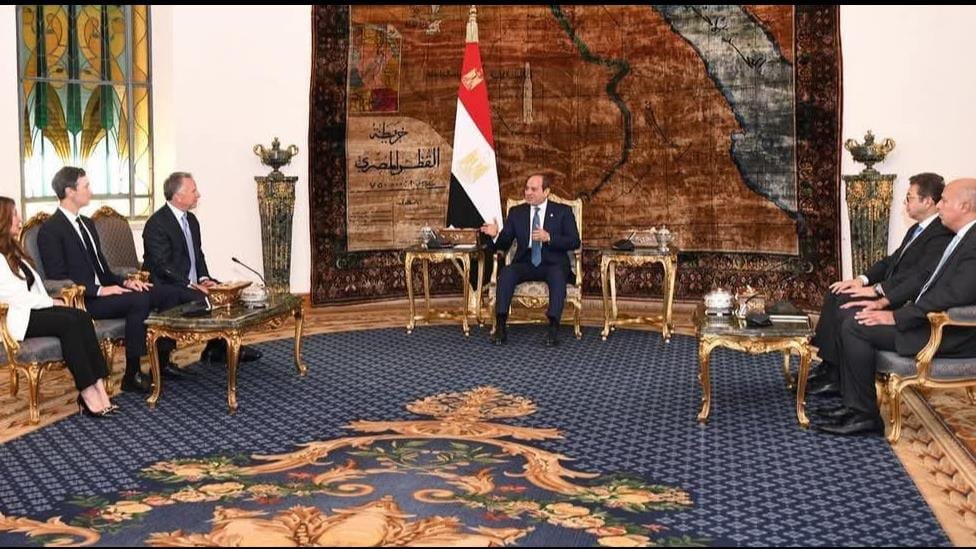
Negotiators huddled in Cairo are reportedly hammering out the final details of a sweeping roadmap for Gaza, a diplomatic framework aimed at total disarmament and a shift toward a technocratic governance model under international oversight. According to diplomatic sources talking to the press, the proposed plan is built around the idea of one authority and one law, aiming to strip Hamas of every weapon, bulldoze every underground tunnel, and wipe out all military infrastructure across the strip. Loosely modeled on arrangements applied to Hezbollah in Lebanon and shaped by the broader strokes of the Trump administration’s peace vision, the blueprint promises a full transition of power away from Hamas. But for anyone watching this diplomatic theater from Jerusalem, the whole thing looks a lot less like a historic breakthrough and more like a dangerous illusion built on wishful thinking.
2. Disarmament Proposals and Phased Reciprocity
The core premise behind the Cairo talks rests on total Hamas disarmament, including surrendering heavy and light weaponry, decommissioning underground tunnel networks, and handing security oversight over to an international stabilization force led by a US general. Supporters of the framework insist there will be no exceptions, no partial compliance, and no hidden weapons caches left behind. Under the proposal, Hamas would agree to stop military recruitment and end all operational activity, in exchange for Israel suspending targeted strikes and carrying out a conditional, phased withdrawal from the original Yellow Line. Verification mechanisms and strict reciprocity get touted as the ultimate safeguard here, with every step from one side supposedly triggering the next commitment from the other.
3. Ideological Imperatives and Underground Survival
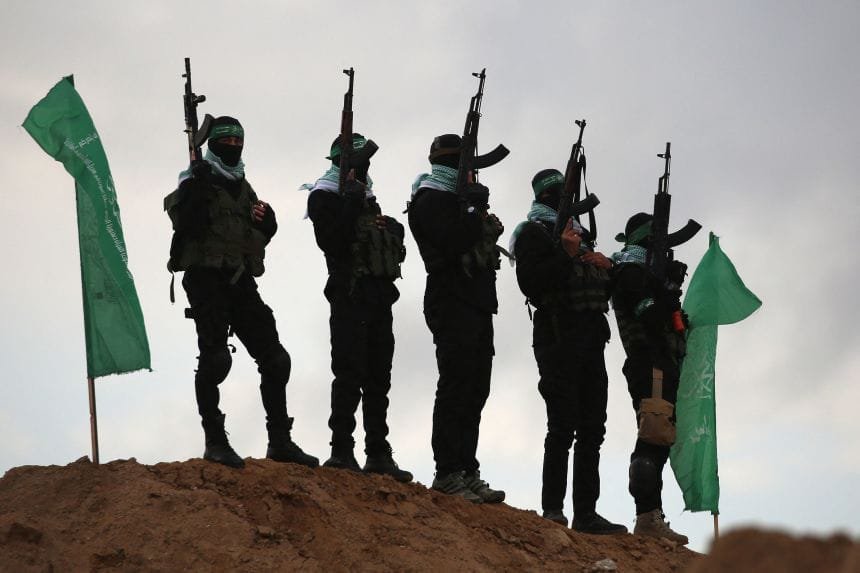
But this clean, step by step logic pretty much ignores the fundamental nature of a jihadist organization whose whole identity is built around destroying the Jewish state. Hamas has spent close to two decades turning Gaza into an underground military fortress, weaving an intricate web of reinforced tunnels underneath schools, hospitals, and residential neighborhoods. The idea that a group treating its own survival as the ultimate goal would voluntarily surrender its entire arsenal, blow up its own underground lifelines, and quietly step aside for a technocratic administration goes against basically every historical precedent we have. Verification or no verification, Hamas sees disarmament as suicide. Any agreement claiming it can strip them of their weapons through peaceful negotiation is operating in a fantasy pretty far removed from the actual reality on the ground in the Middle East.
4. Flaws in Multinational Enforcement and Oversight
On top of that, the enforcement mechanisms being proposed here are full of gaping holes. The framework leans heavily on an international stabilization force and regional monitors to oversee the dismantling of military assets and verify compliance. But experience has shown over and over that international bodies, peacekeeping missions, and multinational coalitions are chronically unequipped and unwilling to actually confront entrenched terrorist networks. When UN forces in Lebanon stood by for years while Hezbollah built an entire military infrastructure right under their noses, that showed exactly how worthless international oversight can be against determined extremists. Handing over security on Israel’s southern border to foreign generals and technocratic committees is an unacceptable gamble, putting the country’s survival in the hands of people who face zero consequences if things go wrong.
5. Regional Contradictions and Diplomatic Safe Havens
The timing and context of these Cairo talks also raise real concerns. While negotiators in Egypt draft elaborate roadmaps for Gaza’s future, other regional players are openly undermining the whole foundation of Israeli security at the same time. Just days before these diplomatic developments, top Turkish officials were rolling out the red carpet for Hamas’s newly appointed political leader, Khalil al Hayya, reaffirming Ankara’s full support for the group’s international agenda. When Hamas’s top leadership is getting toasted and sheltered in a NATO capital while simultaneously negotiating its own supposed surrender in Cairo, the hypocrisy of the whole diplomatic track becomes pretty obvious. Hamas is using the Cairo talks as tactical breathing room, a way to survive military pressure, hold onto whatever influence it can, and live to fight another day, all while international mediators scramble for a quick political win.
6. Sovereign Security Imperatives and Endless Stalling
Israel can’t afford to outsource its own security to pieces of paper signed in Egyptian hotel rooms, or lean on vague promises from international monitors. The hard lessons of October 7 and the grinding years since have taught the defense establishment that existential threats need to be neutralized by Israeli hands, not managed through some foreign formula. If the framework insists there’s no Israeli withdrawal from strategic defense zones unless full disarmament actually happens, the trap here is pretty obvious. Hamas is going to engage in endless stalling, cosmetic surrenders of obsolete weapons, and deceptive moves designed to look like compliance while quietly preserving its core underground capabilities. The moment Israel pulls back based on flawed or fraudulent verification reports, the whole terror apparatus will just rebuild itself.
7. Strategic Freedom and Refusal of Partial Compliance
The Israeli public has lived under the shadow of rockets and underground threats for too long to buy into some utopian vision of a demilitarized Gaza run by international bureaucrats. Prime Minister Netanyahu and defense planners face a serious responsibility here, making sure the diplomatic pressure coming out of Washington and Cairo doesn’t railroad the country into a catastrophic miscalculation. Any roadmap that leaves Hamas’s ideological infrastructure intact, or lets the group retain even a shadow of governance behind a technocratic facade, is a recipe for disaster down the line. The only thing that actually guarantees Israeli security in the south is total operational freedom, absolute military dominance, and an unyielding refusal to accept anything less than the complete, irreversible removal of the terrorist threat sitting right on the doorstep.