By Israel Dispatch
For nearly ten months, Western foreign policy salons and Israeli editorial boards have been saturated with a comforting yet dangerous consensus regarding Iran. Following the brutal suppression of the historic January 2026 uprising, conventional wisdom declared that the Islamic Republic had successfully crushed its domestic opposition, restored total control, and forced a cowed population into permanent submission. Yet the scenes unfolding this week in the western Iranian city of Abdanan shatter that narrative completely. When hundreds of citizens poured into the streets of Ilam Province on November 17, tearing down Ministry of Intelligence banners and chanting openly for the return of exiled Prince Reza Pahlavi, they sent an unmistakable message to both Tehran and Jerusalem. The revolutionary fire inside Iran is neither extinguished nor dormant, and the question of whether the clerical regime can be overthrown is no longer a theoretical fantasy.
The catalyst in Abdanan began as a local tragedy on November 14, when a bus carrying employees of the Dehloran Petrorefinery Complex overturned on a neglected road, killing thirteen workers. Within seventy two hours, grief over systemic corruption and crumbling infrastructure transformed into an explicit political rebellion. Shopkeepers shuttered the local bazaar in solidarity while protesters defied special police units, tear gas, and telecommunications blackouts to shout slogans calling for the end of the dictatorship. Coinciding with the anniversary of the November 2019 crackdown, the uprising in Abdanan carries immense symbolic weight. Located in a Kurdish and Lur majority region long regarded as a bastion of Iranian patriotism, Abdanan stood at the vanguard of the nationwide demonstrations in early January 2026.
To appreciate the sheer courage required to march in Abdanan today, one must confront the scale of the horror that transpired ten months ago. When millions of Iranians across all thirty one provinces answered Pahlavi’s call to action on January 8 and 9, the regime responded with unrestrained slaughter under the cover of a prolonged internet blackout. Independent human rights monitors and opposition estimates place the death toll between 35,500 and over 50,000 citizens killed, alongside more than 53,000 arrests and a relentless wave of daily executions designed to paralyze society through terror. State aligned reformists and regime lobbying networks abroad spent the ensuing months working tirelessly to convince Western capitals that resistance was dead and that support for Pahlavi existed merely as an artificial social media fabrication amplified by foreign bots. Even segments of the Israeli press echoed this cynical dismissal, portraying Iranian monarchists and nationalists as digital illusions rather than flesh and blood citizens risking everything on the ground.
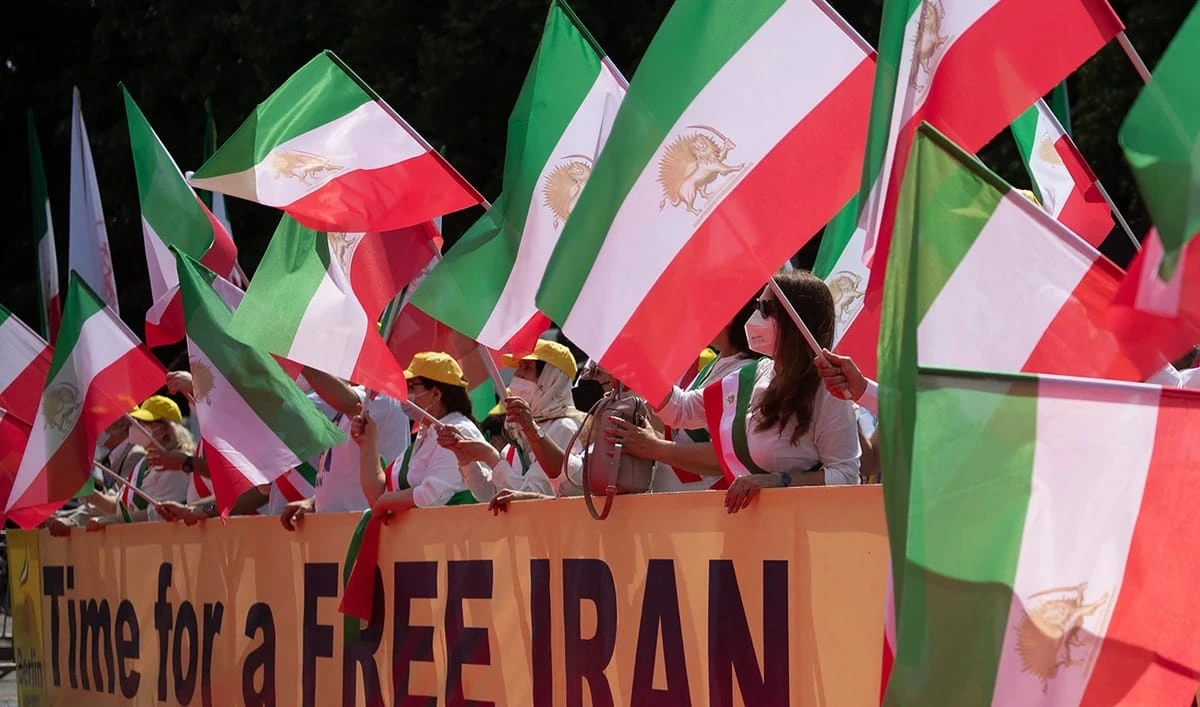
The streets of Abdanan exposed the bankruptcy of that narrative. Real people inside Iran are putting their lives on the line under the Lion and Sun banner, demonstrating that ten months of gallows and live ammunition have failed to break the national will. Equally significant is what these protests reveal about the internal cohesion of the Iranian opposition. Transnational separatist factions have long attempted to exploit ethnic grievances along Iran’s western borders, yet the citizens of Ilam Province rallied behind unifying national symbols, affirming that the Islamic Republic is an ideological occupier rather than an authentic representation of Iranian identity.
For Israel, the strategic implications of this enduring domestic volcano cannot be overstated. Since the regional escalation that erupted in February 2026 and the subsequent diplomatic stalemate over ceasefires, Jerusalem and Washington have wrestled with an exhausting cycle of military containment. Tactical strikes against Iranian missile infrastructure or maritime assets near the Strait of Hormuz yield temporary breathing room, yet they leave the head of the octopus intact. Just days ago, intelligence reports surfaced in Washington revealing that desperate elements inside Tehran have been developing plans to target senior American officials with a radiological dirty bomb or chemical weapon. A regime cornered by economic collapse, a free falling currency, and perpetual domestic hatred will inevitably seek to export apocalyptic violence abroad unless it is dismantled from within.
As Prince Reza Pahlavi warned during his landmark address at Ben Gurion University alongside Israeli leadership, allowing the clerical regime to survive its existential crisis guarantees a nuclear armed adversary determined to unleash catastrophic destruction across the Middle East and beyond. Overthrowing the Islamic Republic is achievable precisely because the overwhelming majority of Iranians view the ruling establishment as an illegitimate parasite devouring their wealth, water, and future. However, unarmed protesters cannot indefinitely absorb live fire from the Islamic Revolutionary Guard Corps without tangible international backing.
As Israel forms a new governing coalition in Jerusalem and coordinates its strategic posture with the Trump administration, our policymakers must abandon the illusion that containment or transactional deals with Tehran can secure lasting peace. Supporting the Iranian people through targeted sanctions on regime enablers, guaranteed satellite internet access to defeat state blackouts, and unequivocal diplomatic recognition of their democratic aspirations is not an act of distant altruism. It is an urgent national security imperative. The people of Abdanan have reminded the world that Iran is ready to finish what it started in January. Standing firmly beside them remains the surest path to liberating both the Iranian nation and the entire region from four decades of revolutionary terror.
About the Author
Israel Dispatch provides authoritative, non partisan analysis on Israeli security, political dynamics, regional geopolitical shifts, and sovereign foreign policy.