By Israel Dispatch
The dramatic rise in Arab voter turnout during the October 2026 general election stands out as one of the biggest domestic shifts in Israel in years. Voter participation among Arab Israelis shot up from a historic low of around 53 percent in 2022 to almost 80 percent. That wave of engagement did not just bump up the numbers, it completely reshaped the makeup of the 25th Knesset. The Joint List, cobbled together from Hadash, Balad, and Ta’al, joined forces with Mansour Abbas’s Ra’am, and together they pulled in 19 seats. This result set off a firestorm of debate across Israel’s political divide, forcing the country to face some tough questions. On one hand, there are real challenges for how things actually run, day to day. But there are also brand new opportunities to change how Jews and Arabs work and live together in this state.
Not surprisingly, the surge drew a lot of suspicion from the right wing camp right off the bat. People started throwing around accusations, whispering about foreign meddling and shady campaign cash. Things got heated enough that Shin Bet chief David Zini stepped in to investigate. But Justice Noam Sohlberg, who chairs the Central Elections Committee, and Attorney General Gali Baharav Miara came out and said it flat: yes, there were a few administrative hiccups, like some southern communities holding unauthorized gender segregated voting hours, but there was no systematic fraud that would undo the results. The consensus? This really was a genuine, broad mobilization of Arab citizens who wanted their voices heard.
This record participation points to a deep contradiction at the heart of Israeli politics. Arab citizens make up about 20 percent of Israel’s population of 10 million. They are everywhere in daily life, they teach, they build, they heal. Take healthcare, for example. Arab doctors, nurses, and pharmacists make up almost a fifth of the entire workforce, and they are right there on the front lines. And when it comes to getting a seat at the table, it is not unheard of: ministers like Raleb Majadele and Esawi Frej have served in recent governments.
But the mainstream Jewish public still looks at the Arab parties with a lot of mistrust, and not for nothing. The Joint List’s 2026 platform flat out calls for a halt to military operations in Gaza and the West Bank, right when the country is dealing with the fallout from the October 7 attacks. The way the Joint List framed the whole multi front conflict put them in direct opposition to the IDF, and that rubs a lot of people the wrong way. Past decisions have not helped either. When Arab party MKs voted against the Abraham Accords in 2020 and kept their messaging muddy on hostile regional actors, it only deepened the sense that some of these leaders are disconnected, maybe even at odds, with the core priorities of the state.
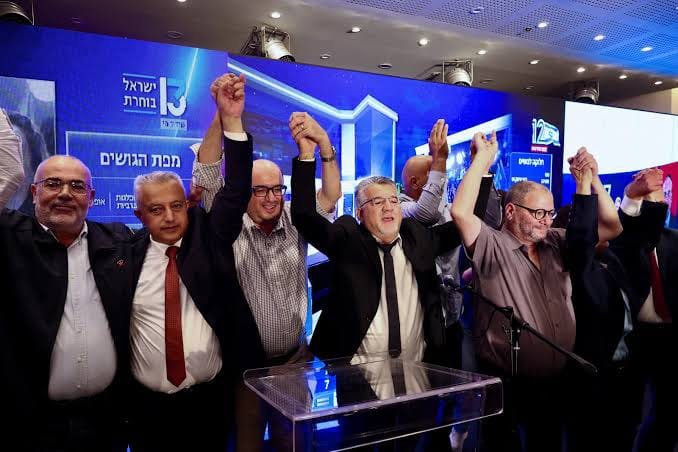
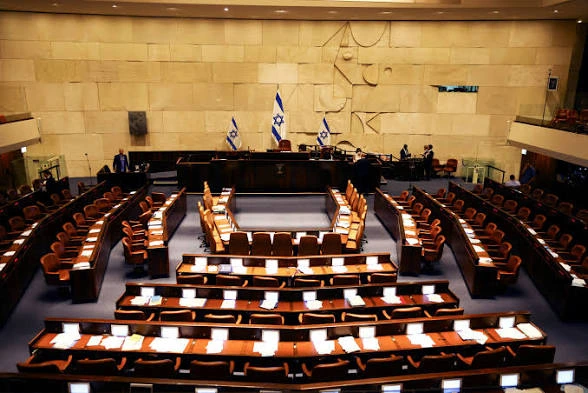
This leaves Israel with a real problem when it comes to putting together a functioning government. The big blocs, both the current right and the so called change bloc, have made a point of saying they will not depend on Arab parties to get to a 61 seat majority. But here is the math: the right wing bloc is stuck on 53 seats. With 19 Arab lawmakers in play, building a coalition becomes a tricky numbers game that no one can ignore. Major planks of almost every mainstream Jewish party, like requiring national service for all, pumping up defense spending, and pushing forward on active military fronts, are almost total non starters for the Joint List and Ra’am.
The problem goes deeper than just the numbers. Let us say a major national security issue or a big defense budget comes before the Knesset. If the government is depending on the support, or even just the abstention, of parties that oppose military action, you end up stuck. Every major debate risks deadlock. We saw this play out not that long ago under the Bennett Lapid coalition in 2021, which nearly fell apart over something as seemingly minor as tree planting initiatives in the Negev. In today’s climate, with wars raging on multiple fronts and high stakes security threats facing the country, there is no room left for that kind of government gridlock.
Still, if all people see when they look at increased Arab political participation is a security risk, they are missing something important. The surge in turnout did not just come from ideology. Most Arab voters care deeply about issues that affect everyday life, things like violent crime, organized gangs gripping Arab towns, crumbling infrastructure, and persistent poverty. Those frustrations are shared across communities, Arab and Jewish alike. The decision by Ra’am to include former police commander Yoav Segalovitz on their slate really signals a broad demand for better governance and law enforcement, not just political talking points.
So, what is the way forward? It starts with drawing a clear line between genuine efforts at civic integration and the kind of politics that only breeds polarization. The fact that so many Arab citizens got out and voted shows a real appetite for influence. They want equal opportunities. Instead of leaving Arab participation boxed into small parties that consistently oppose the basic things most Israelis care about, like defense spending or major peace agreements, the big Zionist parties should make space for Arab candidates on their rosters.
Pulling in candidates who are committed not just to public service but to civic responsibility, and bringing them into mainstream parties, would break the grip that tiny fringe parties have had as “kingmakers.” When the government hinges on a handful of sectoral votes, coalition politics gets distorted, and the country falls deeper into “us versus them” thinking. If Arab leaders become part of major national parties, the basic needs of all citizens can be tackled seriously, without having to give up on Israel’s core defense priorities.
True democratic stability only comes when everyone shares in the responsibility, and shows some mutual respect. Of course, bitter disagreements over the Palestinian conflict are not magically going away. But the pressing challenges that define daily life here, from healthcare and road safety to economic growth, demand that we work together, pragmatically, across community lines. Israel’s strength depends on creating an environment where every citizen, if they respect the fundamental rules of the state, can shape its future. That is how democratic engagement becomes a tool for uniting the country, not tearing it apart.
About the Author
Israel Dispatch provides authoritative, non-partisan analysis on Israeli security, political dynamics, regional geopolitical shifts, and sovereign foreign policy.