
By Eitan Levi
Jerusalem’s diplomatic landscape flipped almost overnight. In just ten days, from October 25 to November 3, 2026, four major elections in four countries came together in ways that seriously damaged Israel’s international position. These were not just random elections in far off places like Belgrade, Brasília, Tel Aviv, and Washington; put together, they created a single, powerful setback. Now, Israel finds itself facing tougher critics, squeezed military supply lines, and deeper strategic loneliness at home. It is a lot to take in, and it all happened at once.
It started in Serbia on October 25. President Aleksandar Vučić quit without warning, and his ruling coalition lost to a protest movement fueled by students and young activists. That is a major blow for Israel, because since the 2023 war started, it was Serbia that kept Israel’s military supplied when traditional Western allies started pulling back, restricting arms flows, or slapping embargoes on crucial components. Serbian arms factories were basically a lifeline, shipping the 155mm artillery shells the IDF needed. Netanyahu was so grateful, he publicly called Vučić a true friend. The relationship only deepened: just a year ago, they signed a 1.6 billion dollar arms deal, and opened a new joint drone factory in Belgrade as recently as September.
That is all at risk now. The Student List took power by running against the war, and they made it clear: Serbia will not help Israel’s military efforts in Gaza anymore. Losing Belgrade as a partner is not just about shells on the battlefield; it means Israel just lost both a crucial munitions supplier and a key piece of diplomatic real estate in southern Europe.
Then, almost simultaneously, the picture got worse in Latin America. Brazil’s presidential race ended with Luiz Inácio Lula da Silva winning reelection, beating Flávio Bolsonaro. If Bolsonaro had pulled it off, ties might have thawed: his father, Jair, had cozied up to Israel, shifting UN votes, opening a trade office in Jerusalem, and ramping up intelligence cooperation. Lula’s win put that hope to rest. Lula’s government has pulled their ambassador from Tel Aviv, sided with South Africa’s genocide allegations at The Hague, and pretty much made clear that the days of friendly relations are not coming back soon. Israel’s efforts to regain influence in the Global South took another clear hit.
Back at home, Israel’s own election only made things messier. The hope was that maybe, amid all this outside pressure, Israeli politics would produce a clear, stable government to chart a steady path. No such luck. Netanyahu’s conservative bloc won 53 seats, still eight short of the magic 61 needed to control the Knesset. The opposition and Arab parties technically have enough seats, but the numbers do not translate into an obvious coalition. Everything is stuck. There is no government in place, so coalition negotiations will drag on, fragile and full of compromises. Whatever shaky coalition eventually takes shape, whether it hinges on deals with ultra Orthodox parties or relies on Arab party abstentions, will struggle for legitimacy from the start. Right now, when Israel needs clear, unified leadership to face a changing world, it is paralyzed instead.
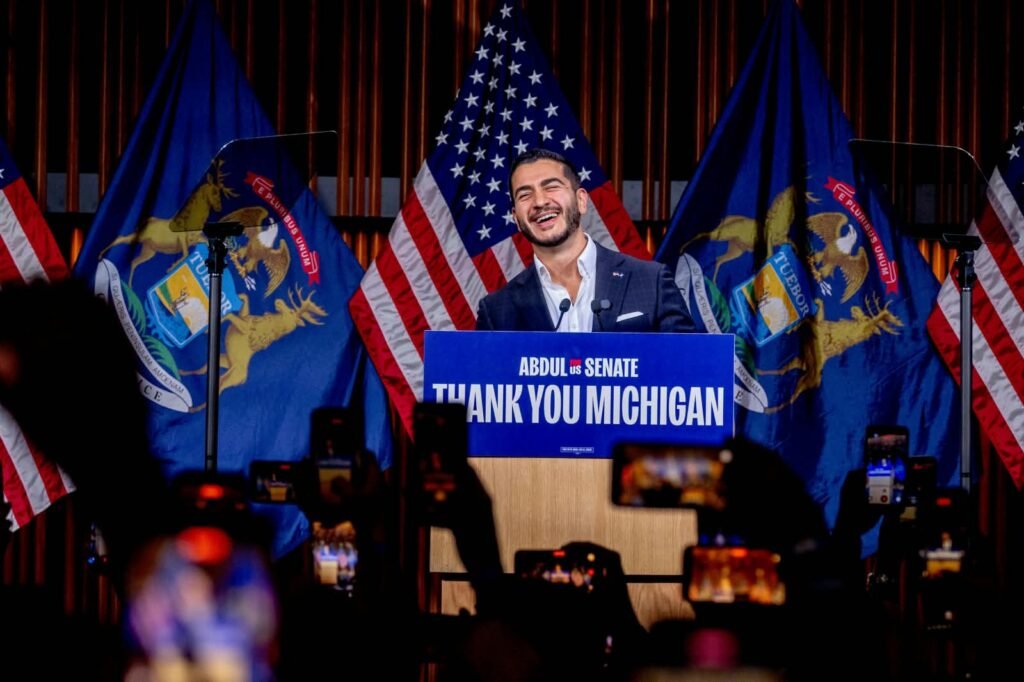
The last, and maybe most dangerous, blow landed in the United States. The midterms handed control of both chambers of Congress to the Democrats, giving new strength to politicians who openly challenge Israeli policy. Senator elect Abdul El Sayed’s win in Michigan is symbolic: progressives like him will soon run influential committees, overseeing military aid and arms sales while scrutinizing US Middle East policy with a critical eye.
But there is a twist: even within the Republican Party, a shift is brewing. Sixty two percent of American voters now say they oppose the war with Iran. Republican leaders, including Vice President JD Vance, blamed the GOP’s losses on voters fed up with foreign conflicts and rising energy prices. The message is spreading: some isolationists in the party have started arguing that Israel dragged America into an expensive war, and they are getting louder.
So, for Israel, Washington suddenly feels like a minefield. On one side, the Democrats want to tie strings to military aid. On the other, Republicans are less sure that staunch support for Israel serves American interests. The consensus in Israel’s favor, once something you could count on, is crumbling.All these losses in less than two weeks show just how risky it is to rely on fragile, personalized relationships with foreign heads of state instead of building broader, more durable alliances. When those friends lose power, the support they gave Israel goes with them. Now, as the new US Congress gets ready to take the reins, Israel is mired in leadership gridlock, without a real plan or direction. If the country wants a way out of growing isolation, Israeli leaders need to move fast. Forming a stable government, and getting back to work rebuilding international partnerships, has never been more urgent. Otherwise, Israel risks letting others set the rules while it is stuck arguing with itself.
About the Author
Eitan Levi is a Security and Geopolitical Analyst with expertise in Israeli defence strategy, Iran’s regional operations, Middle Eastern power rivalries, and Israel’s security partnerships.